

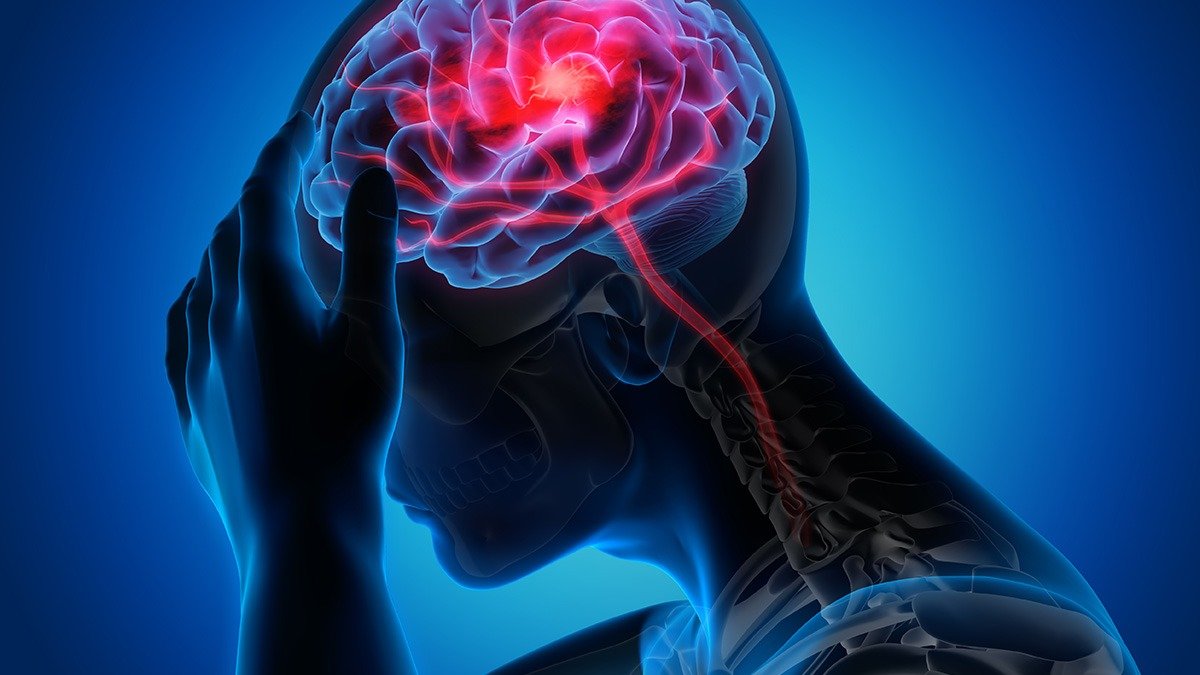
World Stroke Day 2026: A stroke can happen suddenly, turning an ordinary day into a life-threatening medical emergency. While it is often associated with older adults, stroke can affect younger people too, particularly those with uncontrolled blood pressure, diabetes, obesity, smoking habits or underlying heart conditions.
Observed every year on October 29, World Stroke Day raises awareness about stroke prevention, early recognition and timely treatment. The 2026 campaign, themed around “Every Minute Counts,” highlights why recognising symptoms and seeking emergency care without delay can make a difference to survival and recovery.
According to the World Health Organization (WHO), approximately 11.9 million new strokes occurred worldwide in 2021. Stroke was the third-leading cause of death and disability globally that year, underlining the urgent need for better prevention and access to treatment.
In this article, let us understand how stroke impairs the neuro system of the body, leading to fatal health problems.
What Is a Stroke and Why Is It Dangerous?
A stroke occurs when blood supply to part of the brain is interrupted, either because a blood vessel becomes blocked or because a blood vessel ruptures and causes bleeding. Without an adequate supply of oxygen and nutrients, brain cells begin to suffer damage. The effects depend on which part of the brain is affected and how quickly treatment is provided.
There are two main types of stroke:
- Ischaemic stroke: Occurs when a blood clot or blockage interrupts blood flow to the brain.
- Haemorrhagic stroke: Occurs when a blood vessel ruptures, causing bleeding in or around the brain.
A transient ischaemic attack (TIA), sometimes called a mini-stroke, causes temporary stroke-like symptoms because blood flow to the brain is briefly disrupted. Even when the symptoms disappear, a TIA requires urgent medical assessment because it can signal a risk of a subsequent stroke.
Who Is at the Highest Risk of Stroke?
Stroke risk is influenced by a combination of medical conditions, lifestyle habits, age and family history. Some risk factors cannot be changed, but many can be controlled with appropriate medical care and lifestyle adjustments.
1. People With High Blood Pressure
High blood pressure, or hypertension, is one of the most important controllable risk factors for stroke.
Persistently elevated blood pressure can damage blood vessel walls, increasing the likelihood of a blockage or rupture. The condition often develops without noticeable symptoms, meaning people may have hypertension for years without knowing it.
According to the WHO identifies hypertension as a leading contributor to stroke risk. Regular blood pressure checks, prescribed medication when needed and lifestyle changes can help reduce the danger.
2. People Living With Diabetes
Diabetes can increase stroke risk by damaging blood vessels and contributing to atherosclerosis, a condition in which fatty deposits build up inside arteries. High blood glucose levels can also occur alongside high blood pressure, abnormal cholesterol levels and excess body weight, creating a combination of risk factors that deserves careful attention.
Therefore, it is important to keep a close tab on blood glucose levels of the body and ensure proper care is being taken.
3. Smokers and Tobacco Users
Smoking damages blood vessels, promotes inflammation and increases the likelihood of blood clots. Tobacco use is a recognised risk factor for stroke, and exposure to second-hand smoke can also be harmful.
Quitting smoking is one of the most important steps people can take to improve their cardiovascular health. Healthcare professionals can help with cessation programmes, counselling and appropriate treatments.
4. People With Heart Conditions, Especially Atrial Fibrillation
Certain heart conditions can significantly increase stroke risk. One important example is atrial fibrillation, an irregular heart rhythm that can allow blood clots to form in the heart and travel to the brain. According to the studies, people with atrial fibrillation may need medication to reduce clot formation, depending on their individual risk and medical assessment.
How Can Stroke Be Prevented? 7 Steps Doctors Recommend
There is no guaranteed way to prevent every stroke. However, managing established risk factors and adopting healthier habits can substantially reduce the likelihood of an event.
- Keep your BP under control.
- Manage your blood sugar levels.
- Follow a healthy diet routine.
- Exercise daily
- Stop smoking
- Do not take heart conditions lightly
- Get regular health check-ups done
Stroke Warning Signs: Remember the FAST Test
Knowing how to recognise a stroke can be just as important as preventing one.
Neurologists have warned that people sometimes dismiss sudden weakness, speech problems or facial changes, losing valuable time before seeking treatment. Dr Sonia Lal Gupta, a senior consultant in neurology, has highlighted the importance of recognising symptoms immediately.
One useful way to remember the warning signs is FAST:
- F — Face: Does one side of the face droop? Ask the person to smile.
- A — Arms: Is one arm weak or drifting downward when both arms are raised?
- S — Speech: Is speech slurred, confused or difficult to understand?
- T — Time: Call emergency services immediately if any of these signs appear.
Other warning signs include sudden loss of balance, difficulty walking, changes in vision, confusion or an unusually severe headache.
If you suspect a stroke, seek emergency medical help immediately, even if the symptoms disappear after a few minutes. Note the time the symptoms began, or when the person was last known to be well, and share that information with emergency personnel.
Do not wait for every FAST symptom to appear. Do not drive the person yourself if emergency ambulance services are available, and do not give food, drink or medication unless instructed by medical professionals.
REMEMBER: Every minute counts. A blood pressure check today, a healthier daily routine and the ability to recognise FAST symptoms could make a critical difference when it matters most.










Leave a comment