

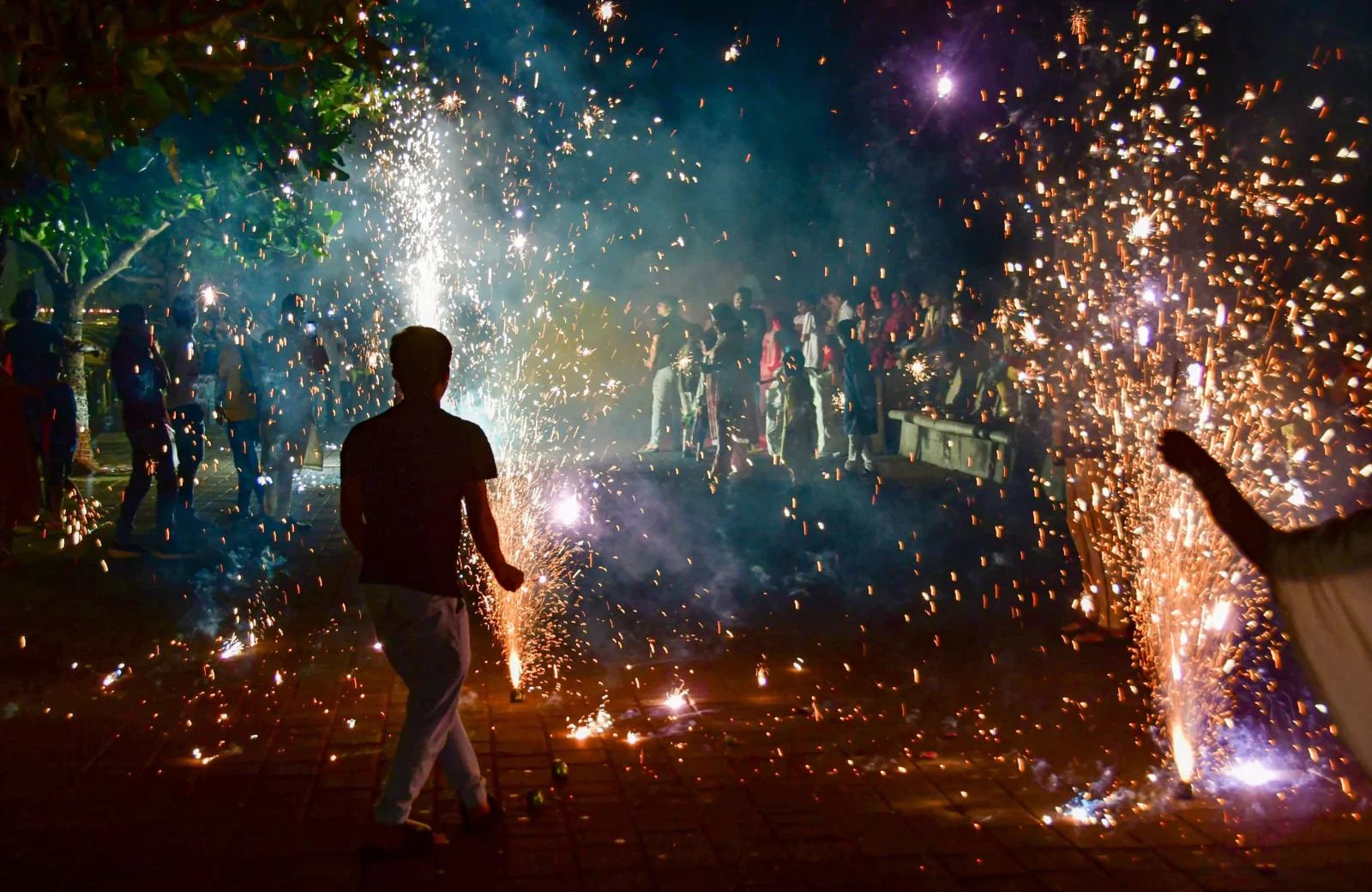
Diwali 2026: Diwali is a time for celebrations, family gatherings and fireworks. However, firecrackers can also cause painful burns and serious injuries if handled carelessly. Knowing what to do immediately after a firecracker burn can help limit further skin damage and reduce the risk of complications.
Whether it is a minor burn from a sparkler or a more serious injury caused by a firecracker, the first few minutes matter. The key is to cool the burn correctly, avoid common home remedies and seek medical attention when necessary.
What should you do immediately after a firecracker burn?
Here are some of the most effective tips that you can follow to keep yourself safe after suffering firecracker burn injuries:
1. Cool the burn under running water
The first step is to cool the affected area under cool or lukewarm running water for 20 minutes. Do this as soon as possible. Cooling helps reduce heat in the skin and can limit the extent of the injury.
Do not use ice or ice-cold water, as these can further damage the skin. If running water is unavailable, seek appropriate medical assistance while keeping the injured area protected.
2. Remove jewellery and tight clothing
If the burn is on the hand, wrist or arm, gently remove rings, bangles, watches and other tight items before swelling develops.
Remove clothing near the affected area only if it is not stuck to the skin. Never pull away fabric that has adhered to a burn.
3. Cover the burn loosely
After cooling, cover the burn with a clean, non-fluffy dressing or a sterile non-stick covering. A clean sheet of cling film can be used loosely over a suitable burn, but never wrap it tightly around a limb or place it over the face.
Avoid cotton wool, adhesive dressings directly on the injury and anything that might stick to the damaged skin.
4. Do not burst blisters
Blisters can form after a burn and help protect the underlying skin. Do not pop them, peel the skin or attempt to remove damaged tissue yourself, as this can increase the risk of infection.
5. Seek medical help when needed
Do not judge the seriousness of a burn by pain alone. Some deeper burns may damage nerves and cause less pain than expected.
Firecracker injuries can also involve the eyes, face, hands and other sensitive areas. Seek prompt medical assessment if the burn is deep, extensive, blistering significantly, or affects a sensitive area. Call emergency services for severe injuries, breathing difficulties or uncontrolled bleeding.
What should you avoid after a firecracker burn?
Several common home remedies can make a burn harder to assess or treat.
- Do not apply ice directly: It can worsen tissue damage.
- Avoid toothpaste, butter, oil, ghee or cooking ingredients: These are not appropriate first-aid treatments for burns.
- Do not apply powders, turmeric or random creams: They may contaminate the wound or interfere with medical treatment.
- Do not burst blisters or peel skin: This can increase infection risk.
- Do not delay medical care for a serious burn: Home treatment is not a substitute for professional assessment.
If a firecracker has caused a burn, avoid experimenting with home remedies even if they are commonly recommended during festive celebrations.
When does a firecracker burn need urgent medical attention?
Not every burn can be safely treated at home. Seek urgent medical attention if:
- The burn is deep, large, white, charred or leathery.
- The injury affects the face, eyes, hands, feet, genitals or a major joint.
- There is significant blistering or severe pain.
- The person has difficulty breathing or may have inhaled smoke.
- A firecracker has caused an eye injury, embedded debris or an open wound.
- The injured person is a young child or has other medical vulnerabilities.
For an eye injury, do not rub the eye or try to remove embedded particles. Seek emergency eye care immediately. If a chemical substance has entered the eye, rinse gently with clean running water while arranging urgent medical help.
How can you prevent firecracker burns this Diwali?
Prevention remains the safest approach. If you choose to celebrate with fireworks, follow local regulations and safety instructions.
- Avoid fireworks if you are under the influence of alcohol or other intoxicating substances.
- Light fireworks outdoors in a clear, open area away from buildings, vehicles and flammable materials.
- Keep children under close adult supervision.
- Use a long-handled lighting device where appropriate and never hold a firecracker while lighting it.
- Never relight a firecracker that has failed to go off.
- Keep water or suitable firefighting equipment nearby.
- Wear well-fitting, non-flammable clothing and appropriate footwear.
Medical note: This article provides general first-aid information and does not replace individual medical advice. For severe burns or other emergencies in India, call 112 or go to the nearest emergency department.
Follow HealthWireMedia.com for all the latest health news and developments from around the world.











Leave a comment