

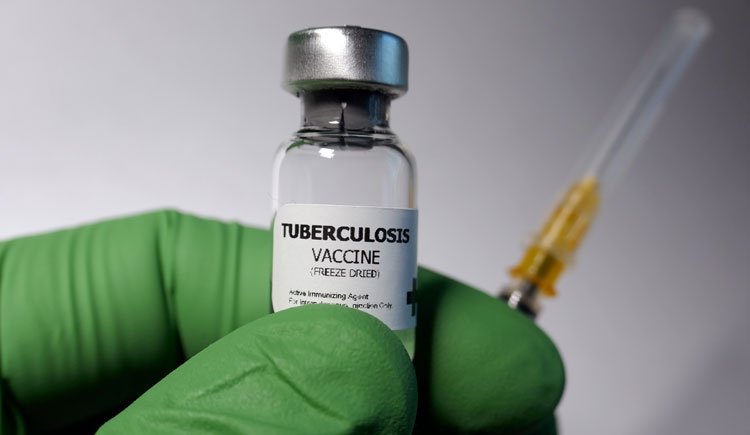
The World Health Organization (WHO) has announced new global targets for developing long-acting injectable medicines that could make tuberculosis (TB) prevention and treatment significantly easier.
Under the proposed targets, preventive treatment for tuberculosis could eventually be completed with a single injection, while treatment for active TB could require no more than three dosing visits over a period of four months.
The initiative aims to reduce the burden of taking daily medicines for several months, improve treatment adherence and make TB care more accessible, particularly in countries with a high disease burden such as India.
However, these are targets for future drug development. The proposed injectable treatments are not yet available for routine clinical use.
WHO’s New Targets for Tuberculosis Prevention and Treatment
On October 28, 2026, the WHO released new target regimen profiles for long-acting injectables (LAIs) for tuberculosis prevention and treatment.
These profiles outline the characteristics that future injectable medicines should meet to ensure they are safe, effective, practical and accessible.
The WHO has identified two major goals:
- TB prevention: A complete preventive treatment course delivered through a single injection during one healthcare visit.
- Active TB treatment: A treatment regimen lasting no longer than four months, with three or fewer dosing encounters.
TB preventive treatment is intended for people with TB infection who do not have active disease but are at risk of developing it. Treatment for active tuberculosis is designed for individuals diagnosed with the disease.
The proposed medicines are expected to offer safety and effectiveness comparable to existing oral treatment options.
How Do Long-Acting TB Injections Work?
Long-acting injectables are specially formulated medicines that gradually release their active ingredients into the body over an extended period.
Unlike conventional TB medicines, which often require daily doses, these injections are designed to maintain therapeutic drug levels for longer durations.
They may be administered through intramuscular or subcutaneous injections, depending on the formulation.
Long-acting medicines are already being developed or used in other areas of healthcare, including HIV prevention and treatment. The WHO now aims to encourage similar advances in tuberculosis care.
For TB, however, candidate injectable medicines still need to undergo clinical trials to establish their safety, effectiveness and suitability for different patient groups.
Why Could Shorter TB Treatment Regimens Make a Difference?
Tuberculosis treatment can be challenging because patients often need to take multiple medicines every day for several months.
For people living in remote areas, working long hours or facing financial difficulties, maintaining a regular treatment schedule can be particularly difficult.
Long-acting TB injections could help address several of these challenges.
Improved treatment adherence: Fewer doses may make it easier for patients to complete the prescribed treatment course.
Fewer hospital and healthcare visits: Reduced dosing frequency could lower travel expenses and the time spent away from work or family responsibilities.
Fewer treatment interruptions: Long-acting formulations may help reduce missed doses associated with daily medication schedules.
Potential reduction in drug resistance: Completing treatment as prescribed is important for preventing drug resistance. Easier treatment regimens could support better adherence, although injections alone cannot eliminate this risk.
Reduced treatment burden and stigma: Less frequent medication-taking and healthcare visits could make TB treatment easier to manage in everyday life.
Early diagnosis, appropriate drug-susceptibility testing, nutritional support and regular medical monitoring will remain essential for successful TB treatment.
Why Is This Development Important for India?
India carries the world’s largest tuberculosis burden, making improvements in TB prevention and treatment a major public health priority.
According to the WHO’s Global Tuberculosis Report 2025, an estimated 10.7 million people developed TB worldwide in 2024, while approximately 1.23 million died from the disease. India accounted for around 25% of the estimated global cases.
The country’s National TB Elimination Programme (NTEP) has focused on early diagnosis, treatment access, adherence and nutritional support through initiatives such as Ni-kshay.
For many patients, particularly those from economically disadvantaged communities, prolonged TB treatment can involve repeated travel to healthcare facilities, lost wages and difficulties maintaining daily medication schedules.
If long-acting injectable medicines become available, they could potentially simplify treatment delivery and improve access to care, particularly in underserved and remote areas.
Their impact in India will depend on affordability, availability, healthcare infrastructure and the ability of public health services to administer and monitor the medicines.
What Safety and Accessibility Measures Has WHO Highlighted?
The WHO’s proposed targets focus not only on reducing treatment duration but also on ensuring that future medicines are practical and accessible.
The target profiles emphasise:
- Safety and effectiveness comparable to existing oral TB treatments.
- Administration by trained healthcare workers at the lowest feasible level of the health system.
- Small injection volumes for easier administration.
- Formulations that do not require cold-chain storage.
- Affordable pricing and equitable access.
- Clinical trials that establish safety and effectiveness in relevant patient populations.
Medicines that do not require temperature-controlled storage could be particularly useful in remote areas where maintaining a cold chain is challenging.
The WHO has also emphasised that research into improved oral TB treatment regimens should continue.
Patients who prefer oral medicines should retain that option. The goal is to expand treatment choices rather than replace existing approaches without considering individual needs.
Are Single-Shot TB Prevention Injections Available in India?
No. The WHO’s announcement outlines targets for developing future medicines and does not mean that single-shot TB prevention or shorter injectable treatment regimens are currently available.
Potential drug candidates must undergo clinical trials and regulatory assessment before they can be approved for routine use.
Until then, patients should continue following their prescribed TB treatment under medical supervision.
People undergoing tuberculosis treatment should not stop their medicines or seek unapproved injectable alternatives based on reports about these future developments.
Disclaimer: This article is for informational purposes only and is not a substitute for professional medical advice. Patients should consult a qualified healthcare professional for diagnosis and treatment of tuberculosis.
Follow HealthWireMedia.com for all the latest health news and developments from around the world.












Leave a comment