Home Latest News How Is Passive Smoking Your Health?
Latest News

How Is Passive Smoking Your Health?

Share
Share

In today’s health-conscious world, there’s a sneaky threat that often goes unnoticed – passive smoking, also known as secondhand smoke. It’s not just about the person actively smoking; the consequences extend to those nearby, quietly impacting their health.

Passive smoking happens when non-smokers breathe in the smoke from others or the smoke released when tobacco is burned. This leads to a range of issues, from immediate breathing problems to serious, long-term health issues.

Breathing in secondhand smoke can immediately cause trouble with your lungs. Non-smokers exposed to it have a higher risk of asthma, bronchitis, and other respiratory problems. The harmful chemicals in the smoke irritate and inflame your airways, posing a real threat to your lung health.

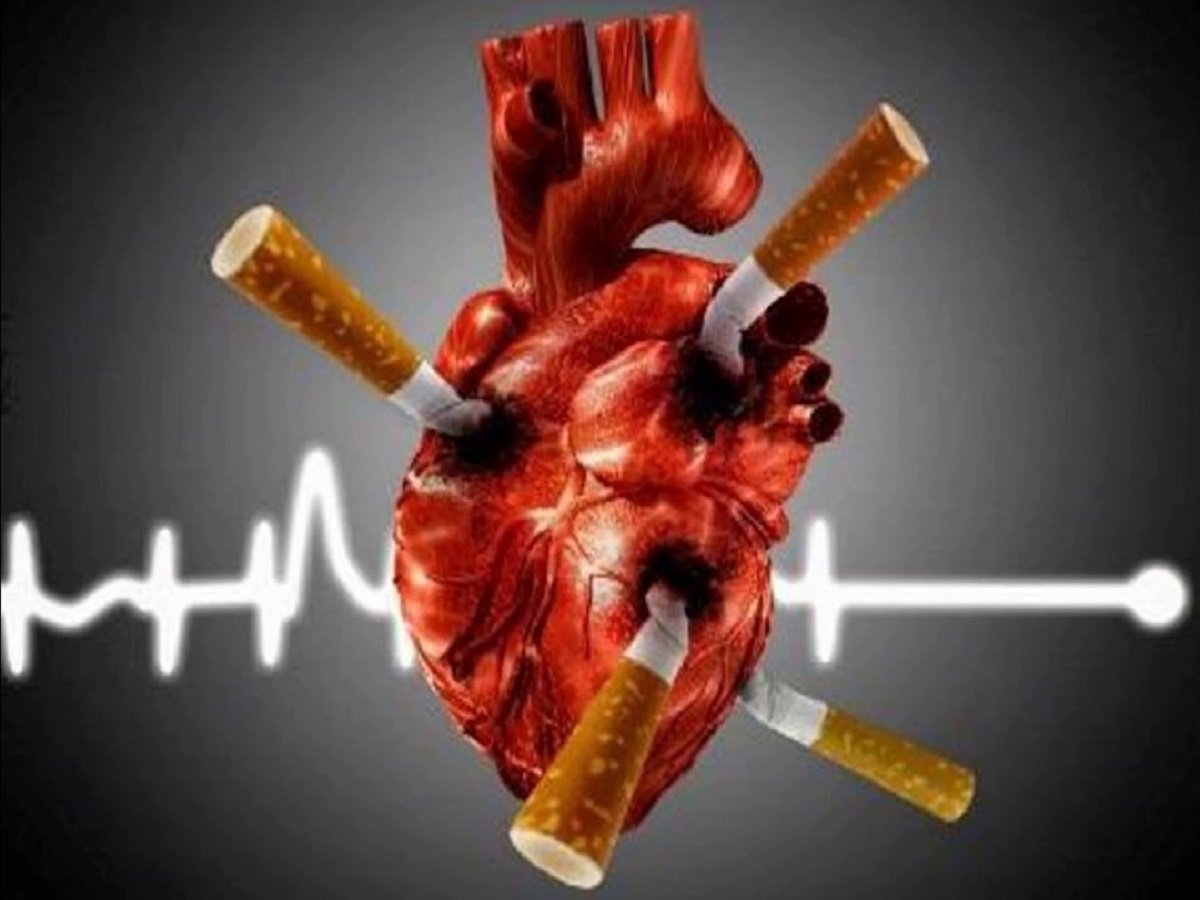
Heart disease is another big worry linked to passive smoking. Research shows that being around secondhand smoke increases your risk of heart problems. The harmful substances in the smoke make blood vessels narrower, raising the chances of heart attacks and other heart-related issues.

One of the most concerning findings from studies is the connection between passive smoking and lung cancer. Non-smokers exposed to secondhand smoke face a higher risk of developing lung cancer, highlighting how widespread this health threat is.

Apart from the more well-known issues, passive smoking also quietly affects your dental health. The chemicals in tobacco smoke contribute to gum disease, tooth decay, and persistent bad breath – a triple threat to your dental well-being.

The danger extends to your brain too. Studies suggest a higher risk of strokes among non-smokers exposed to secondhand smoke. Mental health is also a concern, with emerging research hinting at a potential link between passive smoking and cognitive decline.

Children, being more vulnerable, face a range of health problems due to passive smoking. Exposure during childhood increases the risk of sudden infant death syndrome (SIDS), respiratory infections, and developmental issues.

To tackle this pervasive threat, awareness is our best defense. Understanding how passive smoking can affect you, your family, and your community is crucial. Creating a healthier society requires not only personal choices but also working together to reduce the impact of secondhand smoke on our well-being.

As health experts uncover more about the consequences of passive smoking, it’s crucial for society to face this hidden danger. Creating environments free from smoke becomes essential for everyone’s well-being. Let’s work together to reveal and eliminate this hidden danger, paving the way for a healthier, smoke-free future.

Share
Written by
Satata Karmakar

Satata Karmakar is a health journalist and Editor of HealthWireMedia.com, with over 12 years of experience in journalism, investigative reporting, newsroom editing and healthcare news. As Editor of HealthWire Media, Satata focuses on delivering accurate, evidence-based and accessible health journalism that helps readers make sense of complex medical and healthcare developments. She specialises in translating medical research, clinical findings, public-health updates and healthcare regulations into clear, engaging stories for healthcare professionals and the wider public. Her areas of coverage include public health, medical research, disease prevention, healthcare policy, health technology, medical education and regulatory developments. She places particular emphasis on verifying health claims through peer-reviewed research, official government notifications, expert interviews and credible institutional sources, including the National Medical Commission (NMC). She is committed to responsible health reporting that prioritises accuracy, context and transparency—especially when covering emerging research, medical breakthroughs, health risks and treatment-related information. Her editorial approach aims to make reliable health information understandable without oversimplifying science or overstating medical claims. Through her work, she seeks to strengthen public understanding of healthcare issues and contribute to informed conversations around health, medicine and policy. Outside the newsroom, Satata enjoys reading and painting, pursuits that continue to inspire her curiosity, creativity and storytelling.

Leave a comment

Leave a Reply

Your email address will not be published. Required fields are marked *

Don't Miss

Health NewsInternational NewsLatest NewsWHO

WHO Releases First-Ever Clinical Treatment Guideline For Tobacco Cessation In Adults

Tobacco Cessation: Combining pharmacotherapy with behavioural interventions significantly increases quitting success rates.

Latest News

52-Year-Old Man Grows Rare Hair In Throat After Years Of Heavy Smoking

At age 10, the man had undergone a tracheotomy, stabilised with a skin and cartilage graft from his ear, which later became the...

WHO
WHO

Eliminate Illicit Trade in Tobacco, Control Unrecorded Alcohol: WHO

The World Health Organization today called on Member countries in South-East Asia Region to take effective steps to track, trace and eliminate illicit...

Lifestyle & Wellness

Kidney Cancer In Men: 7 Risk Factors You Need To Know

7 Vital Risk Factors for Kidney Cancer in Men.

ICMR NewsLatest News

ICMR Reports 200 Million Indians Affected by Hypertension: Symptoms, Causes & Prevention

Think about a health crisis quietly affecting over 200 million Indians. The Indian Council of Medical Research (ICMR) estimates that 200 million adults...

Section title

Related Articles
Health NewsLatest NewsLifestyle

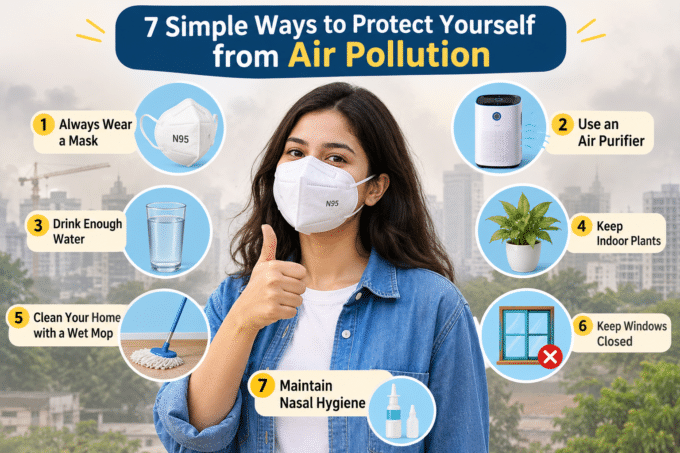
7 Simple Ways to Protect Yourself from Air Pollution

Air pollution has become a major health concern today. Dust from construction...

Latest News

How Metabolic Disorders Are Raising the Risk of Gynecological Cancers in Women

Metabolic disorders such as obesity, diabetes, insulin resistance, and polycystic ovarian syndrome...