Home Latest News How Can You Prevent Stroke?
Latest News

How Can You Prevent Stroke?

Share
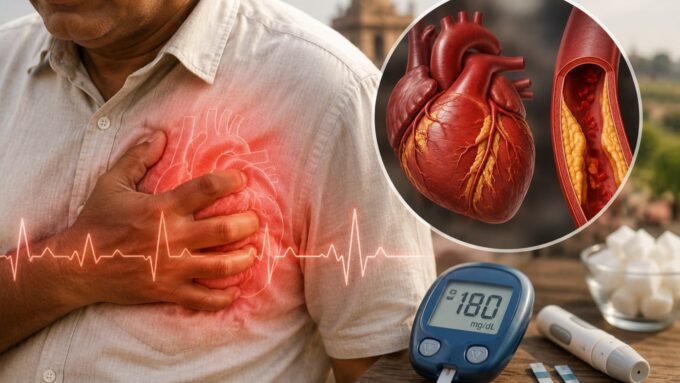
Strokes: The Silent Epidemic Affecting Young Adults You Must Know About!
Share

In a world where staying healthy is crucial, understanding the early signs of a stroke and doing things to prevent it can help you live a longer and better life. Strokes, often called “brain attacks,” happen when blood flow to the brain is messed up, and it’s important to act quickly to avoid serious problems. This article talks about how to recognize early signs of a stroke and gives you smart ideas on what you can do to prevent it.

Knowing the first signs of a stroke is really important so you can get help fast. If you suddenly can’t feel or move one side of your face, arm, or leg, or if you’re having trouble speaking, feeling confused, getting a sudden bad headache, or having problems with your vision – these are signs that you need to get help right away.

Stopping strokes means taking care of your health in many ways. Here’s a quick list of things you can do:

  1. Eat Good Food: Fill your plate with colorful fruits, veggies, whole grains, and lean proteins. Cut down on salt and fatty foods to keep your blood pressure and cholesterol levels in check.
  2. Move Your Body: Exercise regularly – it could be a walk, a jog, or a bike ride for at least 30 minutes every day. This helps your heart and lowers your chances of having a stroke.
  3. Check Your Blood Pressure: Keep an eye on your blood pressure, take any prescribed medicines, and make small changes like reducing salt to keep it at a healthy level.
  4. Quit Smoking: If you smoke, quitting is a big win for your health. Smoking can cause strokes and quitting lowers your risk and makes you overall healthier.
  5. Be Smart with Drinks: Control how much alcohol you drink. The rules might change based on your age and gender, but it’s always good to keep it in check to maintain healthy blood pressure.
  6. Stay a Healthy Weight: Manage your weight with a balanced lifestyle – eat well and move your body regularly to avoid becoming overweight.
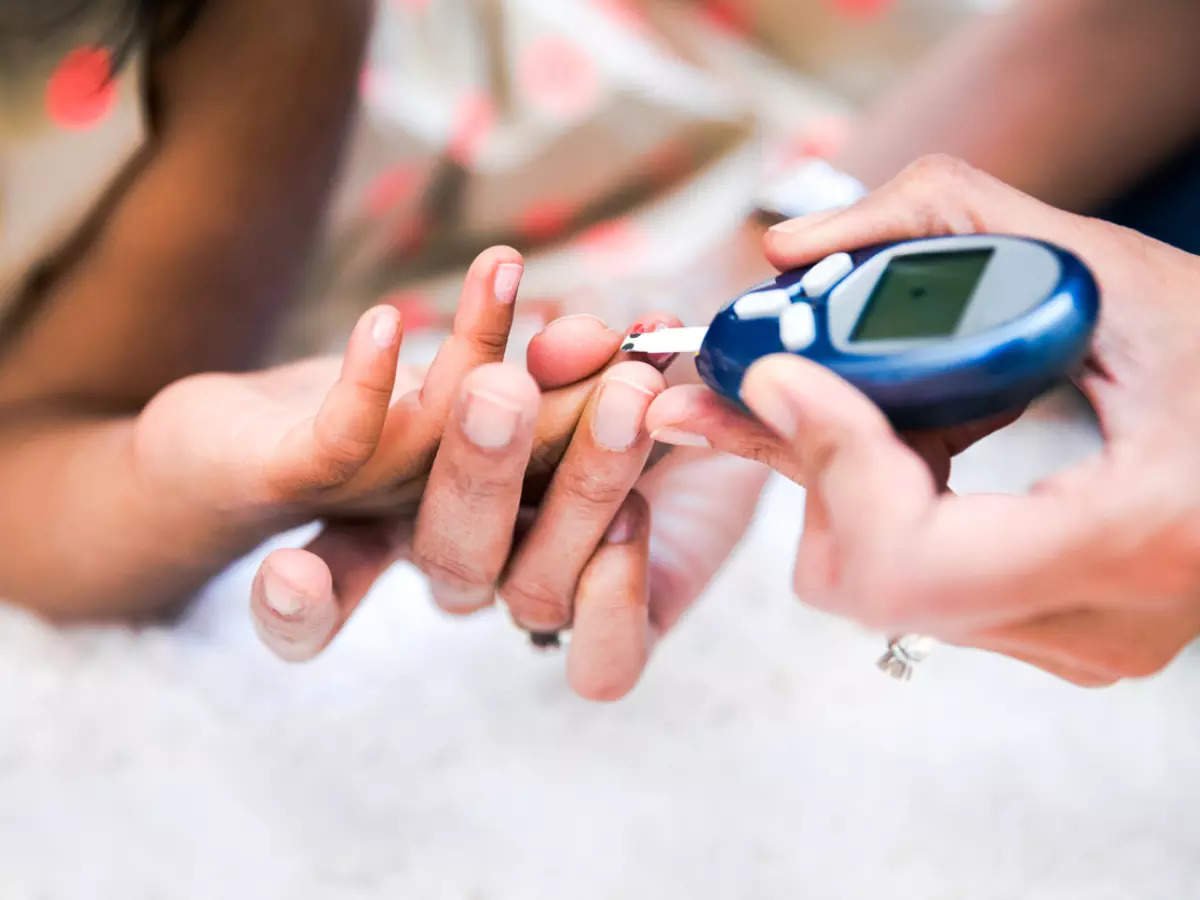
  7. Handle Diabetes: If you have diabetes, take good care of yourself. Check regularly, take your medicines, and make lifestyle changes to protect your blood vessels.

It’s not just about one person – we all need to know about strokes. Workshops and events in our communities can help spread the word and make sure people act fast when they see signs of a stroke.

Free blood pressure checks and community sessions can help catch problems early. Let’s all work together to create a culture where health is important, and we can reduce the number of strokes.

Preventing strokes is something we all need to care about. It’s about you taking steps, your community being aware, and everyone having access to health help. Remember, “prevention is better than cure,” and that’s super true when it comes to strokes. Take care of yourself, know the signs, and let’s move towards a healthier, stronger community!

Share
Written by
Satata Karmakar

Satata Karmakar is a health journalist and Editor of HealthWireMedia.com, with over 12 years of experience in journalism, investigative reporting, newsroom editing and healthcare news. As Editor of HealthWire Media, Satata focuses on delivering accurate, evidence-based and accessible health journalism that helps readers make sense of complex medical and healthcare developments. She specialises in translating medical research, clinical findings, public-health updates and healthcare regulations into clear, engaging stories for healthcare professionals and the wider public. Her areas of coverage include public health, medical research, disease prevention, healthcare policy, health technology, medical education and regulatory developments. She places particular emphasis on verifying health claims through peer-reviewed research, official government notifications, expert interviews and credible institutional sources, including the National Medical Commission (NMC). She is committed to responsible health reporting that prioritises accuracy, context and transparency—especially when covering emerging research, medical breakthroughs, health risks and treatment-related information. Her editorial approach aims to make reliable health information understandable without oversimplifying science or overstating medical claims. Through her work, she seeks to strengthen public understanding of healthcare issues and contribute to informed conversations around health, medicine and policy. Outside the newsroom, Satata enjoys reading and painting, pursuits that continue to inspire her curiosity, creativity and storytelling.

Leave a comment

Leave a Reply

Your email address will not be published. Required fields are marked *

Don't Miss

Bundibugyo Ebola virus
International NewsVirus & DiseaseWHO

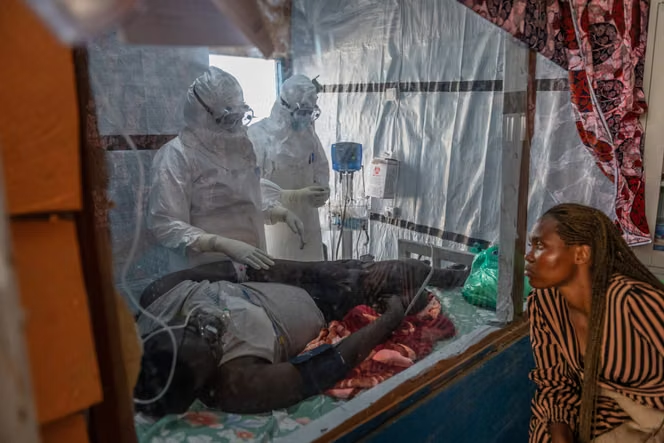
From Fever To Organ Failure: How The Bundibugyo Ebola Virus Affects The Body

The Bundibugyo Ebola virus outbreak has raised fresh global health concerns as infections continue to spread across parts of Central and East Africa....

WHO
Health TipsInternational NewsLatest NewsLifestyle & WellnessWHO

WHO Issues First Type 1 Diabetes Guidelines for Adults: 7 Things Patients Need to Know

More than 100 years after the discovery of insulin, millions of people living with type 1 diabetes continue to face challenges in accessing...

Breast Cancer
Health NewsOncology

Mammogram vs Ultrasound vs MRI: Which Breast Cancer Screening Test Is Right for You?

Breast cancer is one of the most common cancers affecting women worldwide, and early detection plays an important role in improving treatment outcomes....

Always Tired? It Could Be Anaemia!
Diet & NutritionHealth NewsHealth TipsLifestyleLifestyle & WellnessWellness

Anaemia in India: Why Iron Deficiency Remains a Concern and 7 Signs You Should Not Ignore

Feeling tired all the time, experiencing frequent dizziness or getting breathless after climbing a few stairs? While these symptoms are often dismissed as...

N95 Mask
Health TipsLatest NewsLifestyle & WellnessWellness

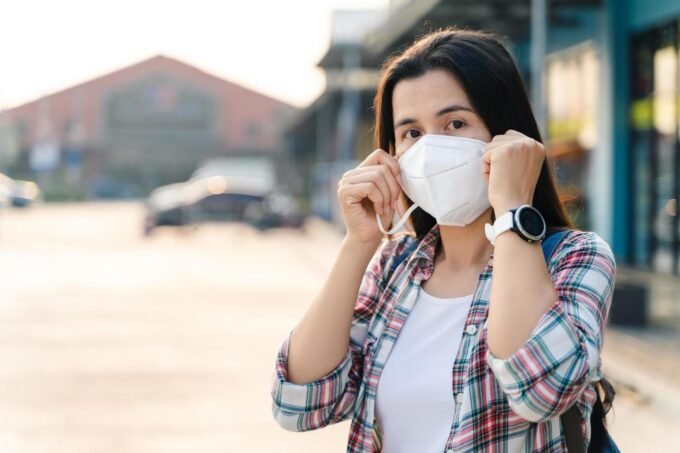
Does Wearing an N95 Mask Protect You From PM2.5 Pollution? Doctors Explain How To Choose And Wear It Correctly

As air pollution continues to affect several Indian cities during winter, wearing a mask has become an important precaution for people stepping outdoors....

Section title

Related Articles
Latest NewsWHO

WHO Releases First-Ever Guidelines For Type 1 Diabetes In Adults: 5 Key Recommendations Explained

The World Health Organization (WHO) has issued its first-ever guidelines for the...

Health NewsLatest NewsLifestyle

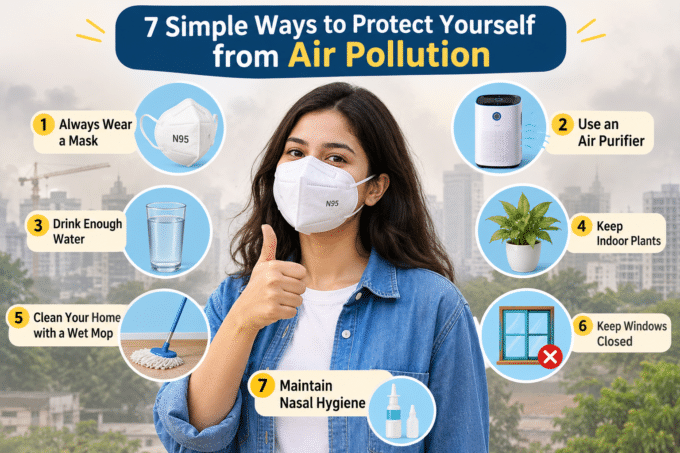
7 Simple Ways to Protect Yourself from Air Pollution

Air pollution has become a major health concern today. Dust from construction...