


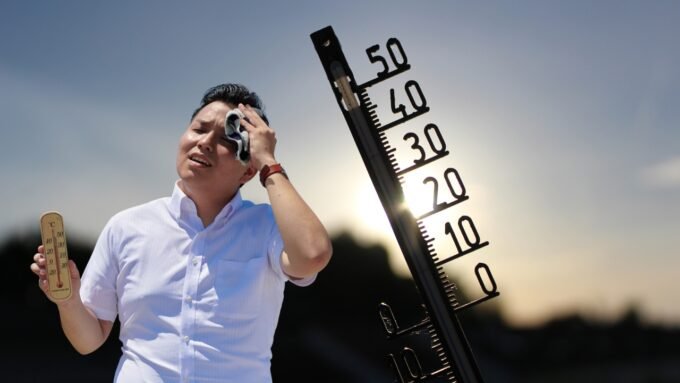
New Delhi, 02 May 2025: As global temperatures continue to rise, heatstroke has become an increasingly common—and dangerous—condition during the summer months. Particularly in regions experiencing intense heatwaves, like parts of India and Southeast Asia, cases of heatstroke are on the rise, posing a serious threat to public health. Heatstroke is a severe heat-related illness that occurs when the body is no longer able to control its temperature. It can strike suddenly and escalate quickly, often leading to damage to the brain, heart, kidneys, and muscles if not treated promptly.
Heatstroke Symptoms You Should Never Ignore
Unlike heat exhaustion, which may still respond to rest and hydration, heatstroke is a medical emergency. It requires immediate intervention to prevent life-threatening complications. Recognizing the early warning signs is crucial to ensuring prompt treatment and preventing serious outcomes. Here are six warning signs of heatstroke you should never ignore:
- High Body Temperature (Above 104°F or 40°C): One of the clearest indicators of heatstroke is a core body temperature that rises above 104°F (40°C). This can happen within minutes of exposure to extreme heat, especially if you’re physically active in the sun. A high temperature like this is a red flag and should never be dismissed as mere fatigue. If someone’s skin feels unusually hot to the touch and they seem unwell, immediate cooling measures should be taken while seeking emergency medical help.
- Altered Mental State or Behavior: Confusion, agitation, slurred speech, irritability, delirium, seizures, or even coma can result from heatstroke. These neurological symptoms occur because the brain is very sensitive to heat and can become impaired rapidly as body temperature rises. A person experiencing such symptoms might seem disoriented or behave strangely, which should never be taken lightly. It’s a key indicator that the body is overheating and the brain is under distress.
- Nausea and Vomiting: While nausea might seem like a common symptom of several conditions, in the context of hot weather or physical exertion in the sun, it could indicate the onset of heatstroke. Vomiting or persistent nausea suggests the body is trying to shut down non-essential functions to deal with the heat overload. If someone who has been in the sun or a hot environment starts feeling queasy or begins vomiting, take it seriously.
- Rapid Breathing and Heartbeat: As the body attempts to cool itself down and deliver more oxygen, the heart rate increases and breathing becomes shallow and quick. This is a physiological response to overheating. However, it can stress the cardiovascular system, especially in those with underlying heart conditions. A fast pulse combined with other symptoms like dizziness, weakness, or confusion may signal the early stages of heatstroke.
- Flushed, Dry or Damp Skin: Interestingly, while heat exhaustion often causes heavy sweating, heatstroke may lead to dry skin due to the failure of the body’s cooling mechanism. However, in some cases, the skin may still feel damp but appear red and hot. Don’t assume that sweating means the person is okay—look for other signs. A flushed appearance, especially when combined with an altered mental state or dizziness, should raise alarm bells.
- Headache and Dizziness: Persistent headache or a sensation of light-headedness is a classic early warning sign of overheating. When your body can’t cool down effectively, blood vessels expand, and the brain can suffer from reduced oxygen levels, resulting in pounding headaches or fainting. If someone complains of a severe headache while being exposed to high heat—or collapses—they must be cooled down and taken to a hospital immediately.
Heatstroke is more than just a summertime inconvenience—it’s a life-threatening condition that demands swift action. During heatwaves or high-humidity days, always take preventive measures such as staying hydrated, wearing loose clothing, avoiding outdoor activity during peak hours, and recognizing the early signs of distress. Never ignore the warning signs listed above; swift recognition and immediate medical attention can mean the difference between recovery and long-term damage—or even death. Stay alert, stay cool, and spread awareness to protect yourself and your loved ones.














Leave a comment