

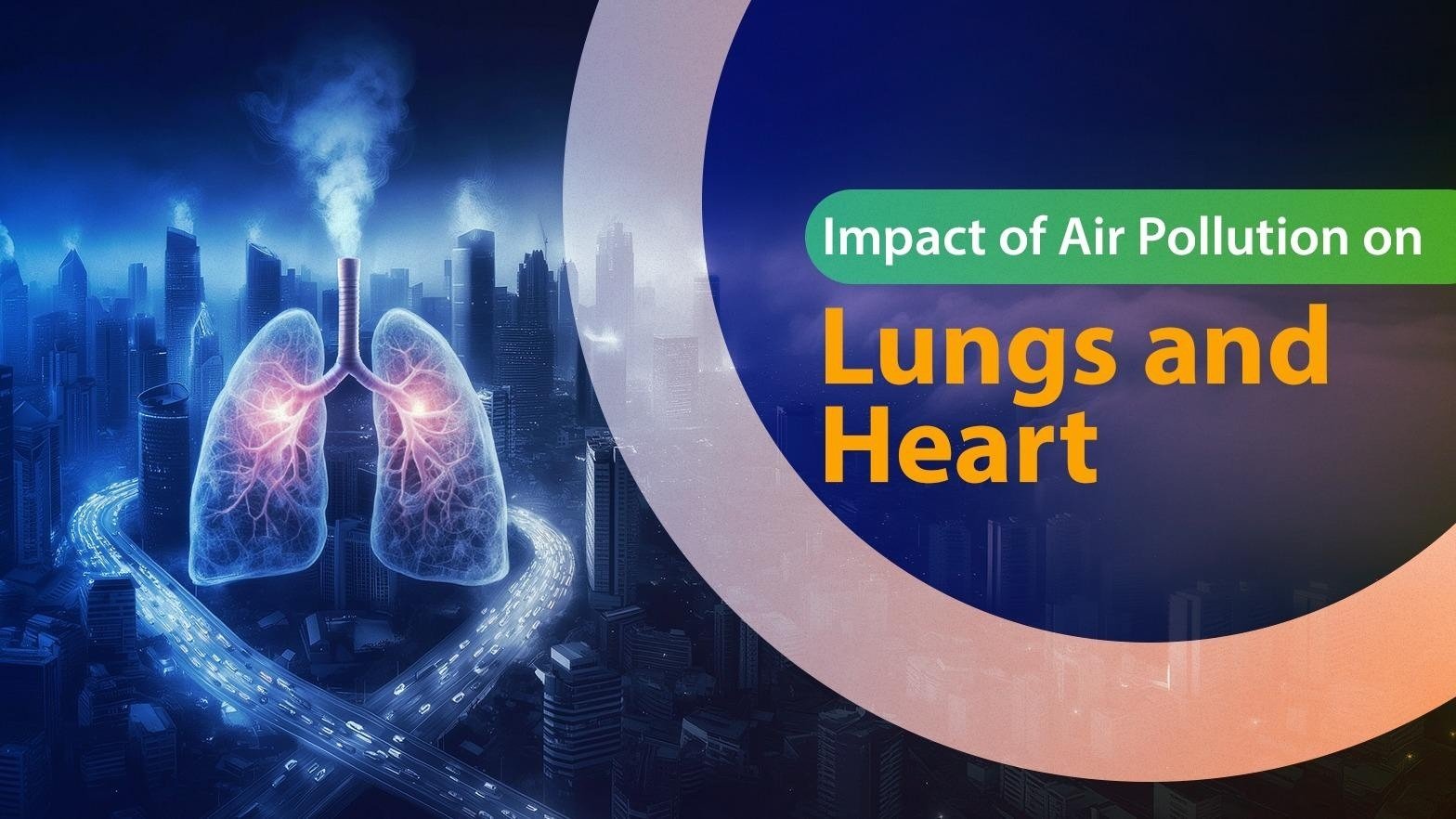
Despite the GRAP-2 anti-pollution restrictions, Delhi’s air quality remained in the ‘Very Poor’ category at 6 AM on Wednesday. The AQI at 4 PM on Tuesday was 350 and has worsened in 14 hours, with the Air Quality Index (AQI) recorded at 379, according to the Indian Institute of Tropical Meteorology (IITM).
While many thinks that polluted air is only detrimental to the lungs, the experts have warned that capital’s air pollution can affect more than just breathing. From worsening asthma to increasing the risk of heart attacks and stroke, in this article we discuss how poor AQI impacts your lungs and heart and the precautions you should take.
According to the World Health Organization (WHO), air pollution is associated with respiratory illnesses, heart disease, stroke and lung cancer. Children, older adults, pregnant women and people with existing health conditions are particularly vulnerable.
How Does Air Pollution Affect Your Lungs?
The lungs are among the first organs exposed to polluted air. PM2.5 particles are extremely small and can travel deep into the respiratory tract, reaching the tiny air sacs where oxygen enters the bloodstream.
1. Irritation and inflammation of the airways
Polluted air can irritate the nose, throat and lungs, causing:
- Persistent coughing
- Throat irritation
- Wheezing
- Chest tightness
- Shortness of breath
These symptoms may become more noticeable during periods of high pollution.
ALSO READ: Diwali Skin Care Tips: How to Protect Your Skin from Pollution and Firecrackers
2. Worsening asthma and respiratory conditions
People with asthma, chronic bronchitis or chronic obstructive pulmonary disease (COPD) may experience worsening symptoms when exposed to polluted air. Air pollution can trigger asthma attacks, increase airway inflammation and make breathing more difficult.
3. Reduced lung function
Repeated or prolonged exposure to air pollution is associated with reduced lung function and an increased risk of chronic respiratory diseases.
Children are particularly vulnerable because their lungs are still developing and they may breathe more air relative to their body weight.
4. Increased risk of respiratory infections
Air pollution can affect the lungs’ protective mechanisms, making people more susceptible to respiratory infections. Long-term exposure has also been linked to an increased risk of lung cancer.
How Does Delhi’s Air Pollution Affect the Heart?
Air pollution is not only a lung problem. Fine particles can enter the bloodstream and trigger changes that affect blood vessels and the cardiovascular system.
1. Increased inflammation
Pollutants can trigger inflammation and oxidative stress throughout the body, potentially affecting blood vessels and contributing to cardiovascular disease.
2. Higher blood pressure
Exposure to air pollution may affect blood vessel function and contribute to increased blood pressure, particularly in susceptible individuals.
3. Increased risk of heart attack
Fine particulate matter has been associated with an increased risk of heart attacks.
Pollution can contribute to blood vessel dysfunction and other changes that may trigg er cardiovascular events, particularly in people with existing heart disease.
4. Increased risk of stroke
Air pollution is also linked to stroke risk, partly through its effects on blood vessels, inflammation and cardiovascular health. People with hypertension, diabetes, heart disease or a history of stroke should take extra precautions during periods of poor air quality.
ALSO READ: Smog to Strands: How Air Pollution Is Silently Triggering Hair Fall and Scalp Damage
Who Is Most at Risk From Delhi’s Poor AQI?
Although air pollution can affect everyone, some groups face a greater risk of health complications.
These include:
- Children and teenagers
- Adults aged 60 years and above
- Pregnant women
- People with asthma or COPD
- Individuals with heart disease or high blood pressure
- People with diabetes
- Outdoor workers and traffic personnel
People who exercise outdoors during periods of high pollution may also inhale larger amounts of pollutants because their breathing rate increases.
How to Protect Your Lungs and Heart During High AQI
Health experts recommend reducing exposure to polluted air whenever possible.
Check AQI before going outdoors
Check the local AQI before exercising, walking or planning outdoor activities. When pollution levels are Poor, Very Poor or Severe, consider reducing the duration and intensity of outdoor physical activity.
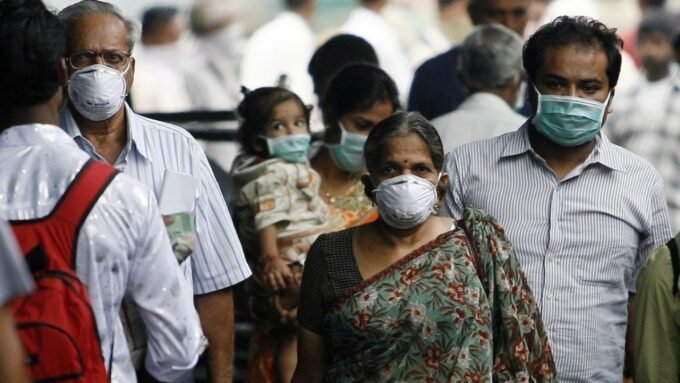
Wear a well-fitting N95 mask
A properly fitted N95 respirator can help reduce exposure to fine particles when outdoors. Cloth masks and loose-fitting surgical masks generally provide less protection against PM2.5.
Keep indoor air cleaner
Keep windows and doors closed when outdoor pollution is high, if indoor conditions allow. Use a properly sized HEPA air purifier where available, particularly in bedrooms or rooms used by vulnerable family members. Avoid indoor smoking, incense, candles and other activities that add to indoor particle pollution.
Avoid outdoor exercise during severe pollution
Choose indoor exercise when AQI is high. People with asthma or heart disease should follow their doctor’s advice about activity levels and medication.
Take extra care of children and older adults
Limit prolonged outdoor play and strenuous activity during high-pollution periods. Watch for symptoms such as coughing, wheezing, chest discomfort or unusual breathlessness.
Seek medical attention for warning signs
Do not ignore persistent breathing difficulties, worsening asthma symptoms or chest discomfort. Seek emergency medical care immediately for severe breathlessness, chest pain or pressure, fainting, sudden weakness, or difficulty speaking. These symptoms may indicate a serious medical emergency and should not be attributed to pollution alone.
ALSO READ: Valvular heart disease patients face greater health risks from air pollution: Study
Can Air Pollution Cause Long-Term Health Problems?
Yes. The health effects of air pollution depend on the pollutant, concentration, duration of exposure and an individual’s health.
Short-term exposure can worsen asthma and trigger respiratory or cardiovascular symptoms. Long-term exposure is associated with an increased risk of chronic conditions, including:
- Chronic obstructive pulmonary disease (COPD)
- Ischaemic heart disease
- Stroke
- Lung cancer
- Reduced lung function
Reducing pollution exposure can help lower health risks, but individual precautions cannot completely eliminate the effects of polluted outdoor air. Stronger pollution-control measures are also essential to protect public health.
Disclaimer: This article is for general health information only and does not replace professional medical advice.












Leave a comment