

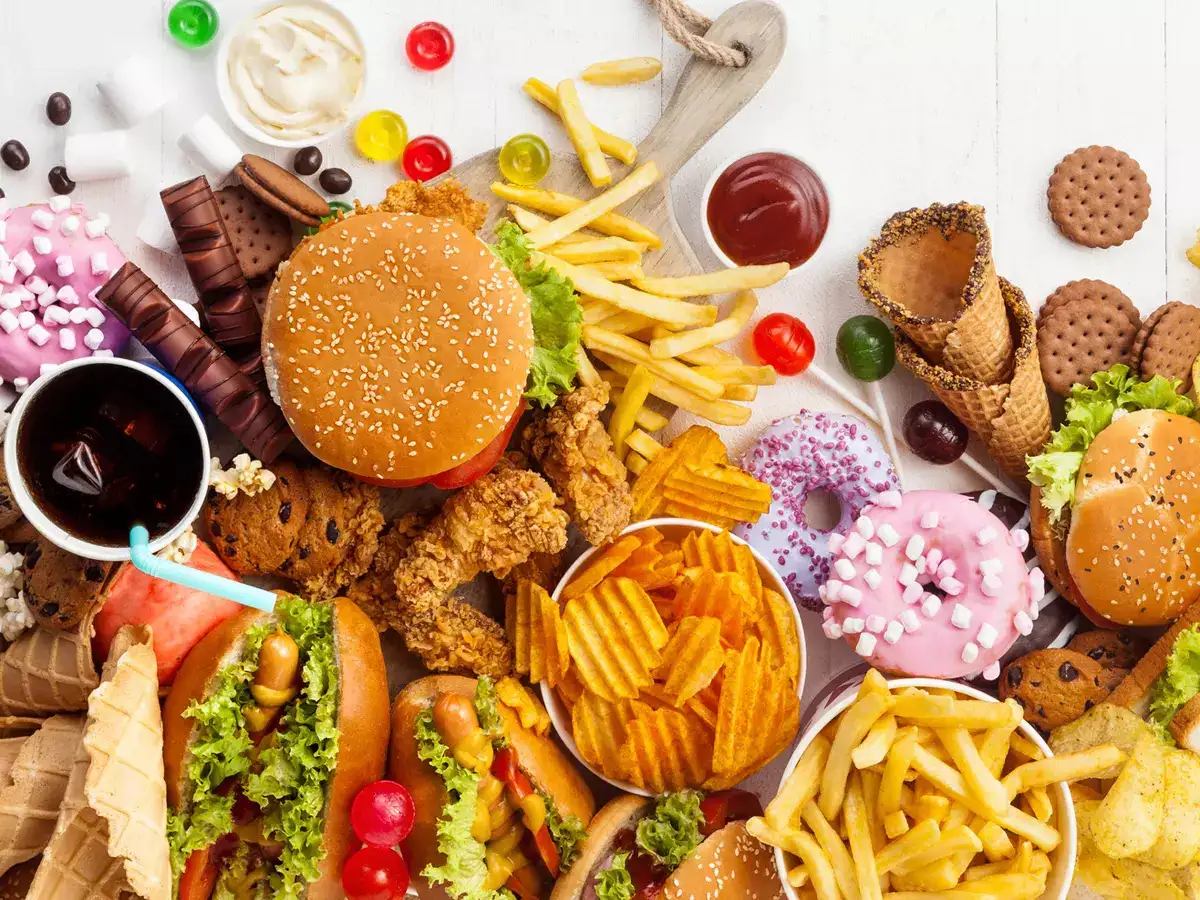
New Delhi, 26 November, 2025: In today’s busy world, convenience often comes at a cost. Ultra-processed foods (UPFs)—ranging from packaged snacks and sugary drinks to ready-to-eat meals—have become staples in modern diets. While they save time and appeal to the taste buds, mounting evidence links these foods to obesity, metabolic syndrome, and a host of chronic health problems.
Understanding the health risks of ultra-processed foods is crucial in an era where metabolic disorders are reaching epidemic levels worldwide. By examining their impact on the body and lifestyle, individuals can make more informed choices for long-term health.
What Are Ultra-Processed Foods?
Ultra-processed foods are industrial formulations that go beyond minimal processing. Unlike whole or minimally processed foods (like fruits, vegetables, grains, and plain dairy), UPFs often contain:
- Added sugars and sweeteners
- Refined oils
- Artificial flavors and colorings
- Preservatives and emulsifiers
- Ingredients not commonly used in home cooking
Examples include:
- Soft drinks and sweetened beverages
- Packaged cookies, chips, and candies
- Instant noodles and frozen meals
- Sweetened breakfast cereals
- Processed meats like sausages and nuggets
While convenient and shelf-stable, these foods lack essential nutrients and are often high in calories, salt, and unhealthy fats, making them a major contributor to metabolic disorders.
The Link Between Ultra-Processed Foods and Obesity
1. High Caloric Density
Ultra-processed foods are energy-dense but nutrient-poor. A small portion can contain hundreds of calories without providing the satiety of whole foods. This promotes overconsumption and weight gain.
2. Added Sugars and Refined Carbohydrates
UPFs are typically loaded with refined sugars that spike blood glucose levels. Repeated spikes lead to:
- Increased insulin production
- Fat storage, particularly around the abdomen
- Cravings and reduced appetite regulation
Over time, this contributes to obesity and insulin resistance.
3. Disruption of Hunger Signals
Research shows that ultra-processed foods can override natural satiety mechanisms, making it easier to eat beyond caloric needs. The combination of high sugar, fat, and salt triggers pleasure centers in the brain, promoting repetitive consumption.
4. Reduced Fiber and Nutrient Content
Whole foods contain fiber, protein, and micronutrients that help regulate metabolism and appetite. Ultra-processed alternatives often lack these protective elements, further driving weight gain.
What Is Metabolic Syndrome?
Metabolic syndrome is a cluster of conditions that together increase the risk of heart disease, stroke, and type 2 diabetes. Key features include:
- Abdominal obesity
- High blood pressure
- Elevated fasting blood sugar
- High triglycerides
- Low HDL (“good”) cholesterol
Metabolic syndrome is a direct consequence of poor diet, sedentary lifestyle, and chronic inflammation, with ultra-processed foods playing a central role.
How Ultra-Processed Foods Promote Metabolic Syndrome
1. Insulin Resistance
Frequent consumption of high-sugar, high-fat UPFs leads to chronically elevated insulin levels, impairing the body’s ability to manage blood glucose effectively.
2. Inflammation
Many additives, emulsifiers, and refined fats in UPFs trigger systemic inflammation, which contributes to:
- Endothelial dysfunction
- Obesity-related inflammation
- Increased cardiovascular risk
3. Disruption of Gut Microbiota
Emerging research indicates that ultra-processed foods alter gut bacteria, reducing microbial diversity. This dysbiosis is linked to:
- Insulin resistance
- Weight gain
- Chronic low-grade inflammation
4. Excess Sodium Intake
Processed foods often contain high levels of sodium, raising blood pressure—a key component of metabolic syndrome.
Evidence From Research
Several studies highlight the risks associated with ultra-processed foods:
- A study published in BMJ found that each 10% increase in UPF consumption was associated with a 12% higher risk of cardiovascular disease.
- Research in JAMA demonstrated that diets high in ultra-processed foods contributed to weight gain over 20 years, even after controlling for total calorie intake.
- Observational studies link UPF consumption to increased incidence of type 2 diabetes, hypertension, and metabolic syndrome.
The data suggest that ultra-processed foods do more than add calories—they actively disrupt metabolic health.
Why Are Ultra-Processed Foods So Addictive?
These foods are engineered for taste, texture, and convenience. Key factors include:
- Flavor enhancers that stimulate taste buds
- High sugar and fat content triggering brain reward pathways
- Soft textures that make eating effortless
- Portion packaging encouraging overeating
These factors make it difficult for people to moderate intake, leading to a cycle of cravings, overconsumption, and metabolic imbalance.
Strategies to Reduce Ultra-Processed Food Intake
While completely avoiding UPFs may be unrealistic, practical strategies can minimize their impact:
1. Prioritize Whole Foods
Focus on vegetables, fruits, whole grains, lean proteins, legumes, and healthy fats. These provide fiber, essential nutrients, and sustained energy.
2. Cook at Home
Preparing meals from scratch reduces reliance on packaged and ready-to-eat products, giving you control over ingredients and portion sizes.
3. Read Labels Carefully
Check for hidden sugars, trans fats, sodium, and artificial additives. Look for products with fewer, recognizable ingredients.
4. Gradual Substitution
Replace soda with water or herbal tea, snacks with nuts or fruit, and processed cereals with oats. Small, sustainable changes are more effective than drastic overhauls.
5. Mindful Eating
Pay attention to hunger and fullness cues. Eating slowly and without distractions can reduce overeating driven by ultra-processed foods.
6. Plan Ahead
Meal planning prevents last-minute reliance on convenient processed foods, reducing temptation and promoting healthier choices.
Broader Implications: Public Health Perspective
Ultra-processed foods are not just an individual problem—they are a societal one. Increased consumption is linked to:
- Rising obesity rates worldwide
- Increased prevalence of type 2 diabetes and cardiovascular disease
- Greater healthcare costs due to chronic disease management
- Societal reliance on fast, cheap, processed options over nutrient-dense foods
Addressing this issue requires policy interventions, public awareness, and education on healthy eating habits.
The Role of Policy and Regulation
Governments and health organizations can help curb ultra-processed food consumption through:
- Labeling regulations for added sugars, trans fats, and sodium
- Taxes on sugary drinks and unhealthy snacks
- Subsidies for fruits, vegetables, and whole foods
- Educational campaigns promoting nutrient-dense diets
- Restrictions on marketing to children, who are particularly vulnerable to UPF advertising
These interventions have proven effective in reducing consumption and improving public health outcomes in various countries.
Lifestyle Integration: Balancing Convenience and Health
Modern life often necessitates quick meals, making total avoidance of UPFs challenging. Instead, focus on:
- Preparing batch meals and freezing portions for busy days
- Keeping healthy snacks like nuts, fruits, or yogurt available
- Using ultra-processed options sparingly as occasional treats, not staples
- Combining healthy eating with regular physical activity for overall metabolic health
This balanced approach supports long-term weight management and metabolic wellness.
Ultra-processed foods have become ubiquitous in modern diets, offering convenience at the expense of health. Scientific evidence increasingly links them to obesity, metabolic syndrome, and related chronic conditions.
While eliminating UPFs entirely may not be realistic, making conscious, informed choices can dramatically improve metabolic health and reduce long-term disease risk. By prioritizing whole foods, mindful eating, and strategic planning, individuals can escape the ultra-processed food trap and regain control over their health.
Healthy eating doesn’t have to be complicated—it’s about choosing real, minimally processed foods whenever possible, understanding the impact of what you eat, and balancing convenience with nutrition.

















Leave a comment