


Kidneys are vital organs that filter waste, balance electrolytes, regulate blood pressure, and support overall health. Yet, kidney disease often develops silently, showing few symptoms until significant damage has occurred. This is why chronic kidney disease (CKD) is sometimes called a “silent killer.” Early detection is crucial because timely interventions can slow or even prevent progression, reducing the risk of kidney failure, cardiovascular disease, and other serious complications.
This article explores what silent kidney disease is, the early warning signs, risk factors, and strategies for protecting kidney health.
What is Silent Kidney Disease?
Chronic kidney disease (CKD) refers to a gradual loss of kidney function over time. The kidneys filter blood, remove waste, and maintain fluid and mineral balance. When kidney function declines, waste products build up in the body, which can lead to serious complications if untreated.
- Stages of CKD: CKD progresses through five stages, from mild kidney damage (Stage 1) to kidney failure requiring dialysis or transplantation (Stage 5).
- Silent nature: In early stages, most people feel well and may be unaware of any problems. Symptoms often appear only when kidney damage is significant.
Who is at Risk?
Certain individuals are at higher risk for silent kidney disease:
- Diabetes: High blood sugar damages blood vessels in the kidneys over time.
- High blood pressure: Elevated pressure strains kidney filtering units.
- Heart disease: Cardiovascular conditions can worsen kidney function.
- Family history: Genetic predisposition increases risk.
- Age: People over 60 are at higher risk.
- Lifestyle factors: Smoking, obesity, and poor diet contribute to kidney damage.
Early screening is particularly important for anyone with these risk factors, even if they feel healthy.
Early Signs of Silent Kidney Disease
Because CKD often develops gradually, early warning signs can be subtle or easily overlooked. Some signs to watch for include:
1. Changes in Urination
- Increased or decreased frequency
- Foamy or bubbly urine (may indicate protein in the urine)
- Dark-colored urine or blood in urine
2. Fatigue and Weakness
- Kidneys produce a hormone called erythropoietin, which helps create red blood cells. Reduced kidney function can lead to anemia, causing fatigue and weakness.
3. Swelling (Edema)
- Fluid retention may cause swelling in the feet, ankles, hands, or face.
- Swelling occurs because damaged kidneys cannot remove excess fluid efficiently.
4. Shortness of Breath
- Fluid buildup in the lungs or anemia from kidney disease can cause breathing difficulties.
5. Nausea and Loss of Appetite
- Accumulation of waste products in the blood may lead to nausea, vomiting, and reduced appetite.
6. Cognitive Changes
- Difficulty concentrating, confusion, or “brain fog” may be linked to toxin buildup in the blood.
7. High Blood Pressure
- Elevated blood pressure can be both a cause and a consequence of kidney disease.
Note: These symptoms are not exclusive to CKD, which is why screening and lab tests are essential for accurate diagnosis.
How Kidney Disease is Diagnosed Early
Early detection relies on simple tests rather than waiting for symptoms:
- Blood Tests
- Measures serum creatinine and estimates glomerular filtration rate (eGFR)
- Detects reduced kidney function even before symptoms appear
- Urine Tests
- Proteinuria or albuminuria (protein in urine) is an early indicator of kidney damage
- Urinalysis can reveal infections or other abnormalities
- Blood Pressure Monitoring
- Persistent high blood pressure may signal underlying kidney issues
- Imaging
- Ultrasound or CT scans can detect structural problems in the kidneys
Routine screening is recommended for people with diabetes, hypertension, cardiovascular disease, or a family history of kidney disease.
Preventing and Managing Silent Kidney Disease
Even if early-stage kidney disease is detected, proactive measures can slow progression and protect overall health.
1. Control Blood Sugar
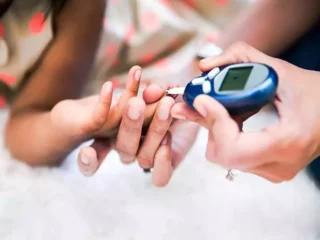
- For people with diabetes, maintaining blood glucose within target ranges reduces kidney stress.
- Monitor blood sugar regularly and adhere to prescribed medications.
2. Manage Blood Pressure
- Target blood pressure is usually below 130/80 mmHg for CKD patients.
- Lifestyle changes (diet, exercise) and medications can help achieve optimal control.
3. Eat a Kidney-Friendly Diet
- Reduce sodium intake to control blood pressure
- Limit processed foods and high-sugar beverages
- Focus on fruits, vegetables, whole grains, lean proteins
- Avoid excessive protein if advised by a doctor
4. Stay Hydrated
- Adequate water intake supports kidney filtration
- Avoid overhydration or dehydration, which can stress kidneys
5. Exercise Regularly
- Physical activity improves blood pressure, blood sugar, and overall cardiovascular health, indirectly protecting the kidneys.
6. Avoid Nephrotoxic Substances
- Limit overuse of NSAIDs (e.g., ibuprofen) and certain medications that can damage kidneys
- Avoid smoking and excessive alcohol consumption
7. Regular Checkups
- Routine lab tests and doctor visits ensure timely intervention if kidney function declines
Why Early Detection Saves Lives
Silent kidney disease often progresses without warning. By the time noticeable symptoms appear, kidney function may already be significantly impaired. Early detection offers several benefits:
- Slows progression: Lifestyle changes and medications can delay or prevent kidney failure
- Reduces cardiovascular risk: Healthy kidneys support heart function
- Improves quality of life: Prevents complications such as anemia, swelling, and fatigue
- Increases survival: Early intervention reduces the risk of severe complications and hospitalization
Don’t Wait for Symptoms to Act
Silent kidney disease is a global health concern, affecting millions without obvious warning signs. Because CKD progresses gradually, screening, awareness, and lifestyle management are essential. People at risk—especially those with diabetes, high blood pressure, heart disease, or a family history—should prioritize regular checkups, blood and urine tests, and healthy lifestyle habits.
Knowing the early signs—such as changes in urination, fatigue, swelling, or cognitive changes—can empower individuals to seek care promptly. Simple measures like controlling blood sugar and blood pressure, eating a kidney-friendly diet, exercising regularly, and avoiding harmful substances make a substantial difference in protecting kidney function.
Kidneys work silently for us every day; it’s our responsibility to protect them before it’s too late. Early awareness, proactive screening, and healthy habits are the keys to preventing silent kidney disease from becoming a life-threatening problem.
















Leave a comment