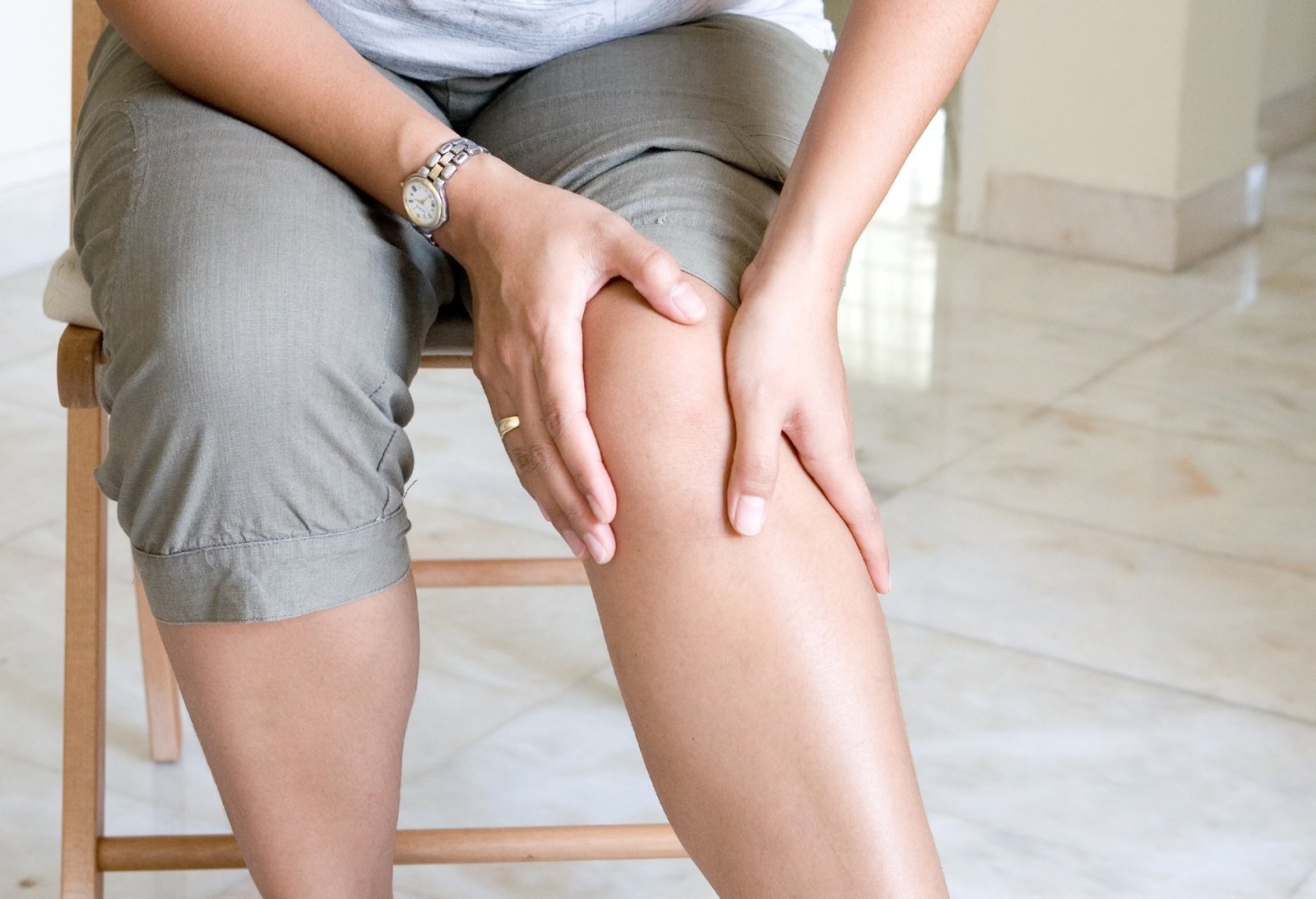
New Delhi, 26 November, 2025: For millions of people living with arthritis, winter can be a particularly challenging season. Cold weather, dampness, and reduced sunlight can worsen joint pain and stiffness, making daily activities more difficult. While it’s impossible to control the weather, there are practical ways to stay comfortable indoors and manage arthritis symptoms effectively during the colder months.
Understanding why winter exacerbates arthritis and adopting the right strategies can help maintain mobility, reduce discomfort, and improve overall quality of life.
Why Arthritis Pain Worsens in Winter
Several factors contribute to increased arthritis pain in cold months:
- Cold Temperatures and Stiff Joints
Cold weather can cause muscles and joints to tighten, reducing flexibility and increasing pain. Joints affected by arthritis may be more sensitive to these changes. - Changes in Barometric Pressure
Some studies suggest that drops in barometric pressure during winter can affect joint capsules, particularly those already damaged by arthritis, increasing pain and swelling. - Reduced Physical Activity
Shorter days and colder temperatures often lead to less movement, weakening muscles that support joints and contributing to stiffness and discomfort. - Vitamin D Deficiency
Limited sunlight exposure in winter can lead to low vitamin D levels, which may worsen joint pain and reduce bone health.
Recognizing these factors is the first step toward managing arthritis effectively indoors.
1. Keep Your Environment Warm and Comfortable
Maintaining warmth is crucial for arthritis management:
- Use heaters or central heating to maintain a comfortable room temperature
- Layer clothing to keep joints warm, especially wrists, knees, and elbows
- Wear warm socks, gloves, and scarves even indoors if necessary
- Consider heated blankets or hot water bottles for stiff joints
A warm environment improves blood flow, reduces stiffness, and makes movement easier.
2. Stay Active with Indoor Exercises
Even if it’s too cold to go outside, indoor physical activity is essential:
- Low-impact exercises: Chair yoga, stretching, and tai chi improve flexibility
- Strength training: Light weights or resistance bands help maintain muscle support around joints
- Aerobic activity: Indoor walking or stationary cycling improves cardiovascular health and joint mobility
- Flexibility routines: Gentle stretching reduces stiffness and increases range of motion
Aim for at least 30 minutes of movement daily, broken into shorter sessions if needed.
3. Use Heat and Cold Therapy
Temperature therapy can alleviate arthritis discomfort:
- Heat therapy: Warm baths, heating pads, or infrared lamps relax stiff muscles and reduce joint pain
- Cold therapy: Ice packs can reduce swelling and numb acute pain during flare-ups
Experiment with both methods to determine which works best for different joints and symptoms.
4. Optimize Nutrition for Joint Health
What you eat can impact arthritis symptoms:
- Anti-inflammatory foods: Fatty fish, nuts, seeds, fruits, and vegetables
- Whole grains: Reduce inflammation and support overall health
- Limit processed foods and sugars: These can worsen inflammation
- Stay hydrated: Warm herbal teas or water help maintain joint lubrication
A balanced diet supports joint function and overall well-being during winter.
5. Maintain a Healthy Weight
Extra weight puts additional stress on joints, especially knees, hips, and lower back. Maintaining a healthy weight helps:
- Reduce joint pain
- Improve mobility
- Lower inflammation levels
Combining indoor exercise with a nutritious diet is key to weight management during winter.
6. Manage Stress and Prioritize Sleep
Stress and poor sleep can amplify pain perception:
- Practice relaxation techniques such as meditation or deep breathing
- Ensure adequate sleep to support joint repair and reduce fatigue
- Keep a consistent sleep schedule to enhance energy and reduce discomfort
Reducing stress and improving sleep quality can make arthritis more manageable during the colder months.
7. Protect Your Joints During Daily Activities
Even indoors, joint protection is important:
- Use ergonomic chairs and supportive seating
- Avoid prolonged periods of sitting or standing; take breaks to stretch
- Utilize assistive devices if necessary for tasks like cooking or cleaning
- Pace yourself during household chores to prevent overexertion
Protecting joints minimizes pain and preserves mobility.
8. Monitor Symptoms and Adjust Accordingly
Keeping track of arthritis symptoms helps manage flare-ups:
- Maintain a pain and stiffness journal to identify triggers
- Track weather patterns, activity levels, and dietary changes
- Discuss trends with your healthcare provider to adjust treatment or lifestyle strategies
Being proactive helps reduce the intensity and frequency of flare-ups.
9. Use Supportive Devices and Comfort Aids
Several indoor aids can improve comfort and mobility:
- Cushioned rugs and non-slip mats to prevent falls
- Joint braces or compression sleeves for additional support
- Reachers or grabbers to reduce strain during household tasks
- Supportive footwear even indoors to improve stability
Small adjustments can significantly reduce joint stress and prevent injury.
10. Consider Supplements and Medications
Many people benefit from supplements and medications for arthritis management:
- Anti-inflammatory medications as prescribed by a doctor
- Glucosamine and chondroitin supplements may support joint health
- Omega-3 fatty acids from fish oil or plant sources
- Take medications consistently and adjust only under medical supervision
Consult your healthcare provider before starting any new supplement regimen.
Extra Tips for Winter Comfort
- Humidify your home: Dry air can worsen joint stiffness
- Vitamin D: Supplements or diet can help offset limited sunlight exposure
- Warm drinks: Herbal teas or warm water can soothe stiff joints
- Plan indoor social activities: Reduce isolation while staying active
By creating a comfortable and supportive indoor environment, arthritis pain can be minimized during the cold season.
When to Seek Professional Help
Contact a healthcare professional if:
- Pain or swelling worsens despite home measures
- You notice new symptoms such as numbness, redness, or heat in joints
- Daily activities become increasingly difficult
Early intervention can prevent complications and ensure effective management of arthritis.
Winter doesn’t have to mean increased arthritis pain and discomfort. By maintaining warmth, staying active, practicing proper nutrition, and protecting your joints indoors, you can manage symptoms effectively.
Consistency in daily routines, combined with professional guidance, ensures that arthritis doesn’t interfere with your quality of life. Simple adjustments such as indoor exercises, heat therapy, and ergonomic changes can make a significant difference in joint comfort during winter.
With the right strategies, you can enjoy the colder months while keeping your joints comfortable, mobile, and pain-free.