

What is Aortic Stenosis?
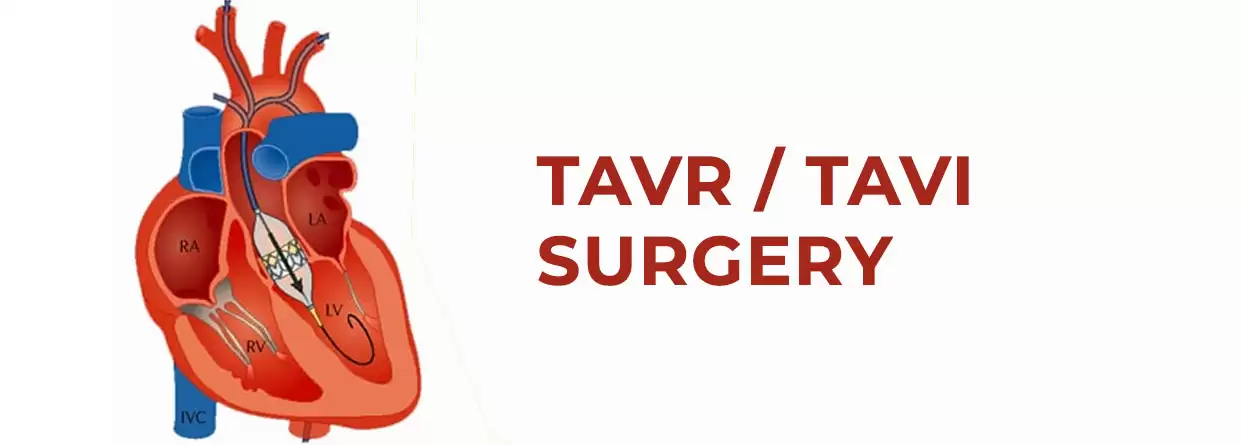
Human heart has protective structures called valves which prevent the back flow of blood when it moves from one chamber to another. These TAVI (Transcatheter Aortic Valve Implantation) valves are highly elastic and open and close subsequently to enable the blood flow.
The valve between the left ventricle (lower chamber of the heart) and aorta (main artery) called the aortic valve. Sometimes a congenital heart defect or scarring due to calcium deposits can keep this valve from opening fully, restricting the blood flow.
Over a period, it can significantly hamper the circulation of blood within the heart and the rest of the body. If not attended, it can lead to heart failure in the longer run. In severe cases, surgery is imperative to repair or replace the diseased valve.
What are the symptoms?
Many people with aortic stenosis don’t experience noticeable symptoms until the amount of blood flow becomes greatly reduced as we see in case of Ansari. The condition can be mild or severe, depending upon the extent of restriction.
Common symptoms to watch out for are rapid, fluctuating heartbeat, shortness of breath, dizziness, blackouts, recurrent pre-syncope, syncope, reduce ability to do normal activities, chest pain and others.
According to Dr. D. K. Jhamb, Director & Head of Department, Interventional Cardiology, SHALBY Sanar International Hospitals, Gurugram :
TAVI: Valve Within Valve
In severe cases of aortic stenosis, repairing or replacing the diseased heart valve is crucial. A conventional valve repairment requires an open heart procedure in which the chest surgically opened for the surgery.
However, TAVI (Transcatheter Aortic Valve Implantation) involves a minimally invasive procedure to fix a prosthetic valve over the degenerated valve. It offers an alternative treatment to those who are not eligible for an open heart surgery.
The procedure is somewhat similar to placing a stent in an artery. A catheter inserted through groin which helps in placing a fully collapsible replacement valve over the worn out valve. As the prosthetic valve expands, the inserted tissue takes up the role of regulating blood flow. Hence, valve function gets restore.
Who is eligible for TAVI?
The procedure is eligible to people in all risk categories. It often prescribed to people with moderate to severe symptoms of aortic stenosis. The minimally invasive procedure is emerging as an effective alternative for people in high risk category of valve replacement surgery.
To see if a person is eligible for TAVI, the attending cardiologist might make you take some tests including blood readings, echocardiogram, ECG, CT scan, coronary angiogram and others.
According to Dr. Rajiv Passey, Co-Director, Cath Lab, Cardiology, Sir Ganga Ram Hospital – A minimally invasive approach to treat severe aortic stenosis focuses on reducing the need for open-heart surgery particularly in high-risk patients, One such method is transcatheter aortic valve replacement (TAVR), a procedure where a new valve is implanted via a catheter, preferably through the femoral artery or a small incision in the chest. TAVR often preferred for elderly patients (typically after 65 years) and those with multiple comorbidities such as kidney disease, heart failure, long standing diabetes that make traditional surgery risky.
The procedure begins with imaging such as CT scan to map the aortic valve and plan catheter insertion. A balloon may used to dilate the narrowed valve before the new valve deployed, often made of bovine pericardium or synthetic material. TAVR offers quicker recovery, reduced pain, and shorter hospital stays compared to open surgery.
While the minimally invasive approach is highly effective for elderly with high surgical risk, its effectiveness has not been validated for long term result in younger patients with low surgical risk. It also has potential complications like valve leakage, stroke and requirement for permanent pacemaker which require careful management.
Life after TAVI
In most cases, people find their symptoms getting better after TAVI, improving the quality of their lives. However, to get full benefits from the procedure, the following lifestyle changes can be adopted:
Eating healthy foods
Becoming physically active
Saying no to smoking and alcohol
Regular medical checkups
Regular dental checkups
We put our heart in taking care of yours!











Leave a comment