

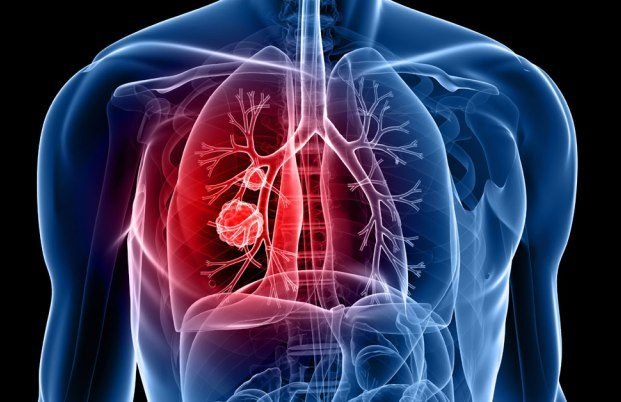
New Delhi, 03 January 2025: Lung cancer surgery is a crucial step in the treatment of patients diagnosed with early-stage lung cancer. However, the recovery process can be physically and emotionally challenging. A recent study published in the Journal of the American Medical Association (JAMA) highlights the benefits of a home-based exercise program in improving both exercise capacity and overall quality of life in patients following lung cancer surgery.
After undergoing surgery, lung cancer patients often experience a significant decline in their physical abilities, including reduced exercise tolerance and limited lung function. These challenges are compounded by fatigue, anxiety, and depression, which can further impair recovery and well-being. The study aimed to assess whether a home-based exercise intervention could address these issues and provide lasting improvements in the recovery process.
The randomized controlled trial involved patients who had undergone lung cancer surgery, including lobectomy or pneumonectomy. Participants were randomly assigned to either a home-based exercise program or standard care, which typically involves minimal structured physical activity. The exercise program was designed to be simple yet effective, with a focus on aerobic exercises, resistance training, and stretching. Patients were provided with personalized guidance, including instructional materials and remote monitoring, to ensure proper execution of the exercises.
Results from the study showed significant improvements in the exercise capacity of patients who participated in the home-based program. Measures such as the six-minute walk test, which assesses endurance, demonstrated enhanced physical performance after the intervention. Patients in the exercise group were able to walk longer distances compared to those in the standard care group, indicating better cardiovascular fitness and muscular strength. Additionally, the exercise program led to improvements in lung function, which is crucial for the recovery of individuals after lung surgery.
Beyond physical improvements, the home-based exercise program was also shown to positively impact the overall quality of life of the participants. Patients reported reductions in fatigue, improved mood, and fewer symptoms of anxiety and depression. The study highlighted that the structured physical activity provided a sense of empowerment, helping patients regain control over their recovery process and contributing to an enhanced sense of well-being. Participants in the exercise group also experienced fewer hospital readmissions, suggesting that the program could reduce the need for additional medical interventions by improving the overall health of the patients.
This research supports the growing evidence that exercise plays a crucial role in recovery from major surgeries, particularly for cancer patients. Home-based exercise programs offer a feasible and low-cost solution to enhance recovery outcomes, especially for individuals who may face barriers to attending physical therapy sessions in a clinic. The findings encourage healthcare providers to integrate physical activity into post-surgery care plans for lung cancer patients to improve their recovery and quality of life.
In conclusion, this study demonstrates that a structured, home-based exercise program can significantly enhance exercise capacity and improve the quality of life in patients recovering from lung cancer surgery. By promoting physical activity in a supportive and accessible manner, such programs offer an important step forward in cancer rehabilitation, helping patients regain their strength and well-being after surgery.

















Leave a comment