Tamil Nadu has declared a statewide health alert following a sharp increase in chikungunya infections across multiple districts. The government has intensified surveillance, diagnostic testing, mosquito control measures, and public awareness campaigns to curb the spread of this mosquito-borne viral disease.
Surge in Cases Across Key Districts
The rise in chikungunya cases has been reported in districts including Chennai, Villupuram, Tenkasi, Theni, Cuddalore, Chengalpattu, Kancheepuram, and Ariyalur. Patients are presenting with sudden high fever, severe joint pain, muscle aches, headaches, and extreme fatigue. The rapid increase in cases has prompted authorities to issue strict measures for containment.
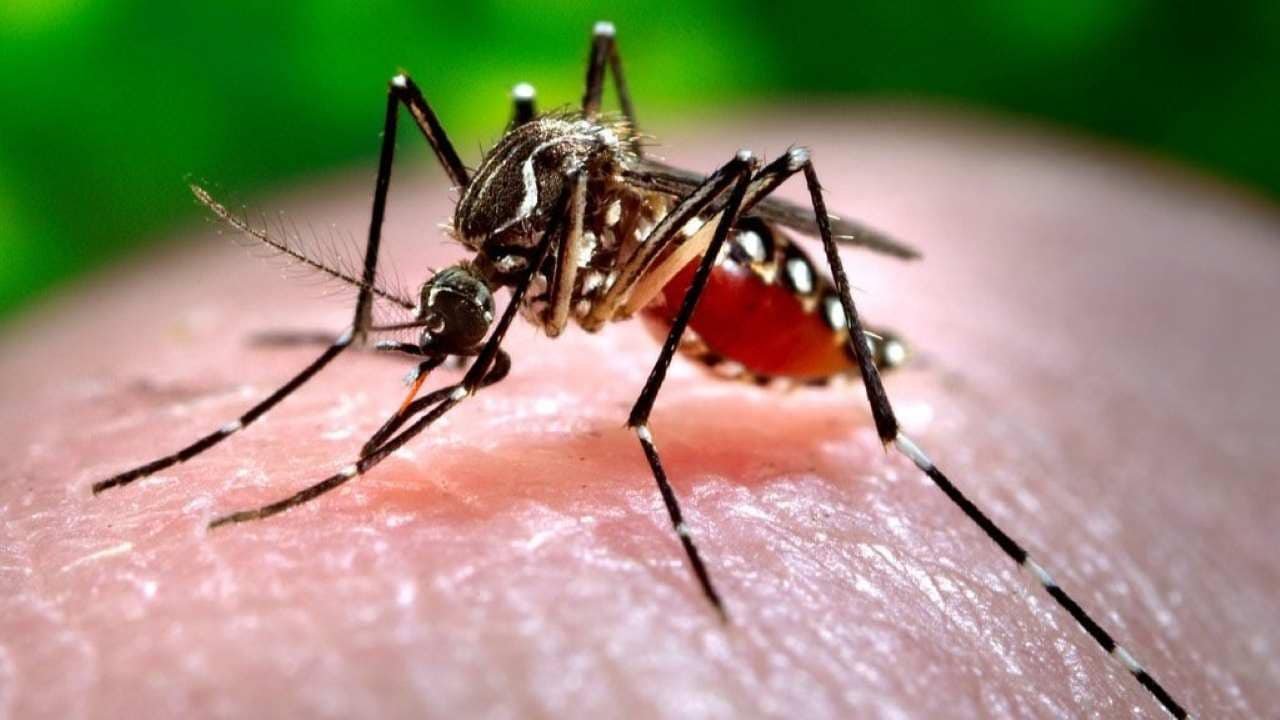
The Aedes aegypti and Aedes albopictus mosquitoes, which thrive in stagnant water, are responsible for the virus’s spread. Urban and peri-urban areas are particularly at risk due to water storage practices, construction sites, and poor drainage systems.
Why the Surge Is Concerning
Chikungunya is highly contagious through mosquito bites, and outbreaks can escalate quickly if preventive measures are delayed. While the disease is rarely fatal, the symptoms—especially joint pain—can be debilitating and long-lasting, impacting mobility and quality of life. Seasonal weather conditions, including moderate winter temperatures and standing water after rains, create ideal mosquito breeding environments, increasing the risk of community-wide transmission.
Symptoms to Watch For
Chikungunya typically appears 4–8 days after a mosquito bite. Key symptoms include:
- Sudden high fever
- Severe joint and muscle pain
- Headaches and fatigue
- Nausea and skin rash
Joint pain can last for weeks or even months, sometimes limiting daily activities. Because symptoms overlap with dengue and Zika, laboratory testing is crucial for accurate diagnosis.
Government Response
To tackle the outbreak, the health department has issued several measures:
1. Fever Surveillance:
Health teams are monitoring high-risk areas closely and collecting samples for early laboratory confirmation.
2. Mandatory Reporting:
Both government and private hospitals, along with diagnostic laboratories, are required to report suspected and confirmed cases daily.
3. Hospital Preparedness:
Hospitals have been instructed to maintain mosquito-free fever wards, adequate beds, mosquito nets, and diagnostic kits. Staff are being trained on updated clinical protocols for chikungunya management.
4. Rapid Response Teams:
Teams equipped with necessary logistics are on standby to address sudden spikes in cases and support local containment efforts.
5. Public Awareness Campaigns:
Authorities are coordinating community engagement programs, environmental sanitation drives, and vector control initiatives to prevent further spread.
Mosquito Control Measures
Mosquito control remains the most effective prevention method. Residents are urged to:
- Remove stagnant water from containers, flower pots, tires, and construction sites
- Participate in weekly cleaning drives
- Support larval surveillance
- Allow periodic indoor fogging and larvicide application
- Use mosquito nets, repellents, and protective clothing
Community participation is critical, as simple preventive actions can drastically reduce mosquito breeding and the risk of infection.
Treatment and Home Care
Currently, there is no specific antiviral treatment for chikungunya. Care focuses on symptom relief and recovery:
- Rest and hydration
- Paracetamol for fever and pain (avoiding NSAIDs like ibuprofen until dengue is ruled out)
- Monitoring for complications such as persistent headache, chest pain, or breathing difficulties
Most individuals recover within a week, though joint pain and fatigue may linger, especially in older adults and people with pre-existing conditions.
High-Risk Groups
Certain populations are more vulnerable to severe symptoms:
- Older adults
- People with chronic health conditions (e.g., diabetes, heart disease)
- Infants and young children
- Pregnant women, particularly near delivery
These groups are advised to take extra precautions and seek medical attention promptly if symptoms appear.
Why Timely Action Is Critical
Chikungunya outbreaks often follow patterns influenced by climate and mosquito activity. Without early detection, vigilant vector control, and community engagement, seasonal spikes can quickly escalate into large-scale outbreaks.
Residents are encouraged to adopt preventive measures proactively, including:
- Using mosquito repellents and wearing protective clothing
- Installing window screens
- Regularly emptying standing water
- Seeking medical attention for fever, joint pain, or unusual symptoms
With coordinated efforts by the government and active community participation, the current surge can be contained, reducing health risks and preventing further transmission.
Conclusion
Chikungunya is a serious but manageable disease. Awareness of symptoms, preventive actions, early diagnosis, and supportive care are key to limiting its impact. The surge in Tamil Nadu highlights the need for ongoing surveillance, effective mosquito control, and public engagement to protect vulnerable populations and prevent widespread outbreaks.