
Home Latest News Nipah Virus in India: What You Should Know and How to Stay Safe
Latest News

Nipah Virus in India: What You Should Know and How to Stay Safe

Share
The Nipah virus is considered one of the deadliest zoonotic infections globally, not because it spreads rapidly like influenza or COVID-19, but because of its extremely high fatality rate, rapid progression, and severe brain involvement. Medical experts warn that once symptoms escalate, the disease can turn fatal within days. According to available data, the case fatality rate of Nipah virus ranges between 50 and 75 per cent, placing it among the most lethal viral infections known to humans. In this explainer, Dr Dip Narayan Mukherjee, Consultant – Microbiology and Infectious Diseases, CK Birla Hospitals, CMRI, sheds light on why the virus is so dangerous and difficult to control. Why Is the Nipah Virus So Deadly? According to Dr Mukherjee, Nipah’s lethality lies in a combination of delayed symptom recognition, aggressive disease progression, and early involvement of the brain. “Nipah virus often begins with very non-specific symptoms, which makes early detection difficult. By the time it is clinically suspected, the virus may have already affected the brain,” he explains. Early Symptoms Often Go Unnoticed One of the biggest challenges in controlling Nipah virus is that its initial symptoms closely resemble common viral illnesses, leading to delays in diagnosis and isolation. Early symptoms include: Fever Headache Cough Muscle pain General weakness “These symptoms are easily mistaken for flu, viral fever, or respiratory infections,” says Dr Mukherjee. “This delay gives the virus time to progress silently.” Severe Brain Infection Drives High Mortality The most dangerous aspect of Nipah virus infection is its neurological involvement. The virus frequently causes encephalitis, or inflammation of the brain, which significantly increases the risk of death. Neurological symptoms may include: Seizures Confusion and altered consciousness Extreme drowsiness Coma “Once the central nervous system is involved, the disease becomes very difficult to manage,” Dr Mukherjee notes. “At this stage, treatment is largely supportive because there is no specific antiviral therapy available.” This lack of targeted treatment options makes early detection critical. Human-to-Human Transmission Raises Risk While Nipah virus is primarily transmitted from fruit bats, it can also spread from person to person, particularly in healthcare settings. Dr Mukherjee points out that: Caregivers and healthcare workers are at higher risk Exposure to high viral loads can worsen outcomes Inadequate infection control increases transmission risk “Strict adherence to infection control practices is essential. Even a small lapse can result in secondary infections,” he says. Zoonotic Nature Makes Exposure Hard to Predict Nipah virus is transmitted from fruit bats, either directly or through intermediate hosts such as pigs. This zoonotic pattern makes outbreaks unpredictable, especially in regions where humans, animals, and wildlife interact closely. Adding to the challenge: There is no approved vaccine Treatment options remain limited Isolation protocols must be strictly enforced What Can Reduce Nipah Fatalities? According to experts, early action remains the most effective defence against Nipah virus. Key measures include: Early isolation of suspected cases Strict use of personal protective equipment (PPE) Rapid escalation and referral to specialised centres Strong hospital infection control protocols “The earlier the virus is identified and contained, the better the chances of preventing severe disease and fatalities,” Dr Mukherjee emphasises. The Bottom Line Nipah virus continues to be a serious public health threat because of its high fatality rate, neurological complications, and lack of targeted treatment. Its ability to masquerade as a mild illness in the early stages makes vigilance crucial. Health experts stress that awareness, early suspicion, and strict infection control are currently the most powerful tools to reduce deaths linked to this deadly virus. As Dr Mukherjee concludes, “With Nipah, time is the most critical factor. Early recognition can save lives.”
Share

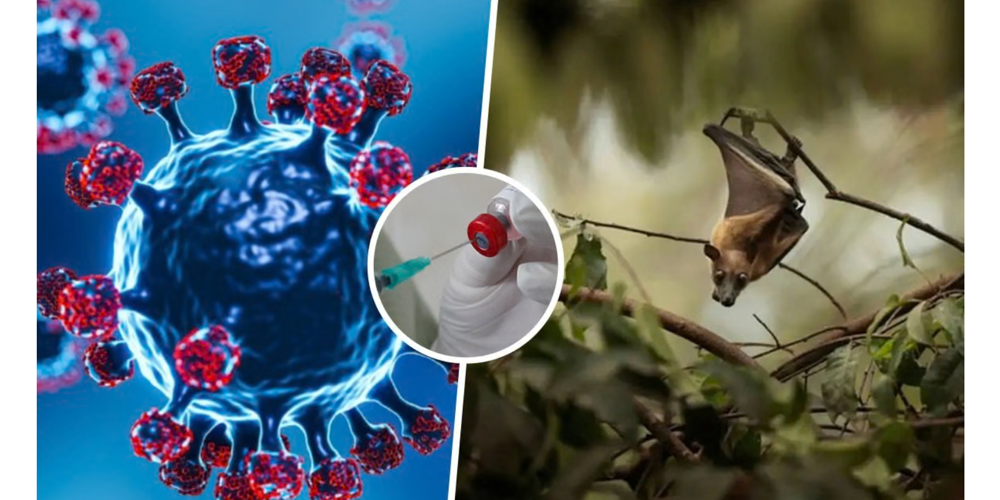
Nipah virus (NiV) is a rare but highly dangerous zoonotic virus that can be transmitted from animals to humans and, in some cases, from person to person. First identified in Malaysia in 1998, Nipah has caused sporadic outbreaks in India, particularly in the states of West Bengal and Kerala. The virus is primarily carried by fruit bats (Pteropus species), which serve as natural reservoirs. Human infection can occur through direct contact with infected bats, their bodily fluids, or contaminated food products such as raw date palm sap, as well as through close contact with infected people, particularly in healthcare settings. While NiV outbreaks are relatively rare, the virus has a high fatality rate ranging from 40% to 75%, making early awareness and preventive action critical.

Symptoms to Watch For

Nipah virus infection often begins with fever, headache, muscle aches, vomiting, and sore throat, and can progress to more severe conditions such as dizziness, drowsiness, confusion, and acute encephalitis (brain inflammation). In some cases, individuals may develop severe respiratory symptoms, including cough, shortness of breath, and atypical pneumonia, which can lead to acute respiratory distress. Neurological complications, seizures, and coma can occur within 24–48 hours in severe cases. Symptoms typically appear 3–14 days after exposure, although rare cases have reported incubation periods of up to 45 days. Early detection is crucial, as supportive medical care can improve survival, even in the absence of a licensed treatment or vaccine.

How Nipah Virus Spreads

The virus spreads primarily through direct contact with infected bats or contaminated materials, such as fruits or sap. Human-to-human transmission occurs through close contact with infected individuals’ bodily fluids, such as saliva, blood, or urine. Healthcare workers and family members caring for patients are at higher risk if proper infection prevention and control (IPC) measures are not followed. Unlike more common viral illnesses, Nipah does not spread easily through casual contact or airborne transmission under normal circumstances, making targeted preventive measures highly effective.

Preventive Measures to Stay Safe

Preventing Nipah virus infection relies on awareness and hygiene. Avoid contact with bats, sick animals, or contaminated fruits, and always boil raw date palm sap before consumption. Wash fruits thoroughly, peel them, and discard any that show bite marks from bats. Maintain strict hand hygiene, especially after handling animals or visiting healthcare facilities. If you are caring for someone suspected of having Nipah, use protective equipment including masks, gloves, gowns, and eye protection, and minimize direct contact with bodily fluids. Isolation of suspected or confirmed cases is critical to prevent the spread within households or healthcare settings.

Community and Healthcare Response

The Indian government, in collaboration with the World Health Organization (WHO), implements comprehensive measures during Nipah outbreaks. This includes contact tracing, surveillance, public awareness campaigns, and enhanced IPC measures in hospitals. Rapid Response Teams (RRTs) are deployed for sample collection and testing, and mobile BSL-3 laboratories help ensure timely diagnosis. Awareness campaigns emphasize safe handling of animals, food hygiene, and the importance of seeking immediate medical care if symptoms develop after potential exposure. Community cooperation and adherence to official guidelines are vital to contain outbreaks effectively.

Treatment and Medical Guidance

Currently, there is no licensed vaccine or antiviral treatment specific to Nipah virus. Management focuses on intensive supportive care, addressing respiratory and neurological complications as they arise. Early hospitalization improves survival rates, making it essential to seek prompt medical attention if Nipah-like symptoms occur following exposure to high-risk environments. WHO continues to monitor research on potential vaccines and therapeutics, highlighting the need for preparedness in both healthcare facilities and communities.

WHO Guidance and Public Health Advice

WHO assesses the risk of Nipah in India as moderate at the sub-national level but low nationally and globally, due to the localized nature of outbreaks and effective containment measures. The organization recommends public health communication, case isolation, laboratory testing, and safe practices around wildlife and fresh food. Importantly, WHO does not recommend travel or trade restrictions, emphasizing that informed preventive behavior is more effective than panic. Awareness campaigns focus on reducing bat-to-human transmission, maintaining hygiene in households and hospitals, and early referral to health facilities.

Key Takeaways: Staying Informed and Vigilant

Nipah virus, though rare, is a serious public health concern with a high fatality rate. Understanding its symptoms, modes of transmission, and preventive measures is crucial for safety. By practicing proper hygiene, avoiding contact with bats or contaminated food, following healthcare guidance, and staying informed through trusted sources like WHO and national health authorities, individuals can significantly reduce their risk. Vigilance, timely medical care, and responsible community practices are key to preventing outbreaks and protecting lives, demonstrating that awareness and preparation are the best defenses against Nipah virus.

Share
Written by
Swapna Karmakar

Swapna Karmakar is an experienced Health Journalist and the Editorial Lead at Healthwire Media. She has a background in investigative reporting and a deep interest in community health and regulatory updates within the medical sector. Swapna focuses on bridging the gap between healthcare providers and patients by crafting narratives that simplify medical terminology without losing clinical depth. Her research process involves analyzing peer-reviewed journals and official regulatory notifications from bodies like the National Medical Commission (NMC) to provide timely news to both healthcare professionals and the general public. Swapna’s work is characterized by a commitment to transparency and evidence-based reporting. Outside of health reporting, she is an avid traveler and explorer of cultural landscapes. 

Don't Miss

Signs Of Heart Attack
Cardiology

Heart Attack Symptoms Explained: Does the Pain Always Occur on the Left Side? Expert Reveals Warning Signs You Shouldn’t Ignore

In 2026, heart attacks are not limited to the elderly—young people are increasingly facing this serious condition. Before a heart attack occurs, the...

There are many microorganisms that directly harm the stomach.
Diet & NutritionLifestyle & Wellness

Viral gastroenteritis cases amid rising summer heatwave: Tips to protect yourself

As the temperature continues to rise, viral gastroenteritis also known as stomach flu spikes in Mysuru with reports indicating a sharp rise in...

Nephrology

Heatwave alert: How dehydration silently damages your kidneys and hidden risks you must not ignore

With the moderate increase in temperatures in India, the majority of the population is concentrating on being hydrated. Although dehydration is a key...

Lifestyle & Wellness

Pre-pregnancy obesity may raise child’s fatty liver risk by 3 times, warns expert

Planning a pregnancy often focuses on eating well, taking supplements, and going for regular check-ups. However, recent studies indicate that preconceptual health is...

Sir ganga ram hospital (SGRH)
Press Release

Sir Ganga Ram Hospital Celebrates 71st Founder’s Day; Delhi LG Shri Taranjit Singh Sandhu Graces the Occasion

New Delhi: Sir Ganga Ram Hospital celebrated its 71st Founder’s Day with great reverence and enthusiasm, commemorating the enduring legacy of its visionary...

Section title

Related Articles
Latest News

Indian techie dies in California after contracting rare fungal infection: What is valley fever and how dangerous is it?

An Indian technology professional recently lost his life in California after contracting...

Latest News

Creatine for muscle and brain: What science really says about strength, performance and safety

Creatine is the world’s most popular fitness supplement. You may come across...

Latest News

Hantavirus Outbreak: How This Dangerous Rodent-Borne Infection Spreads And The Warning Signs You Should Never Ignore

The recent concerns around hantavirus outbreaks have once again highlighted the dangers...

Latest News

WHO Flags Rare Human-to-Human Spread in Deadly Cruise Ship Hantavirus Outbreak

A rare hantavirus outbreak aboard a cruise ship in the South Atlantic...










