

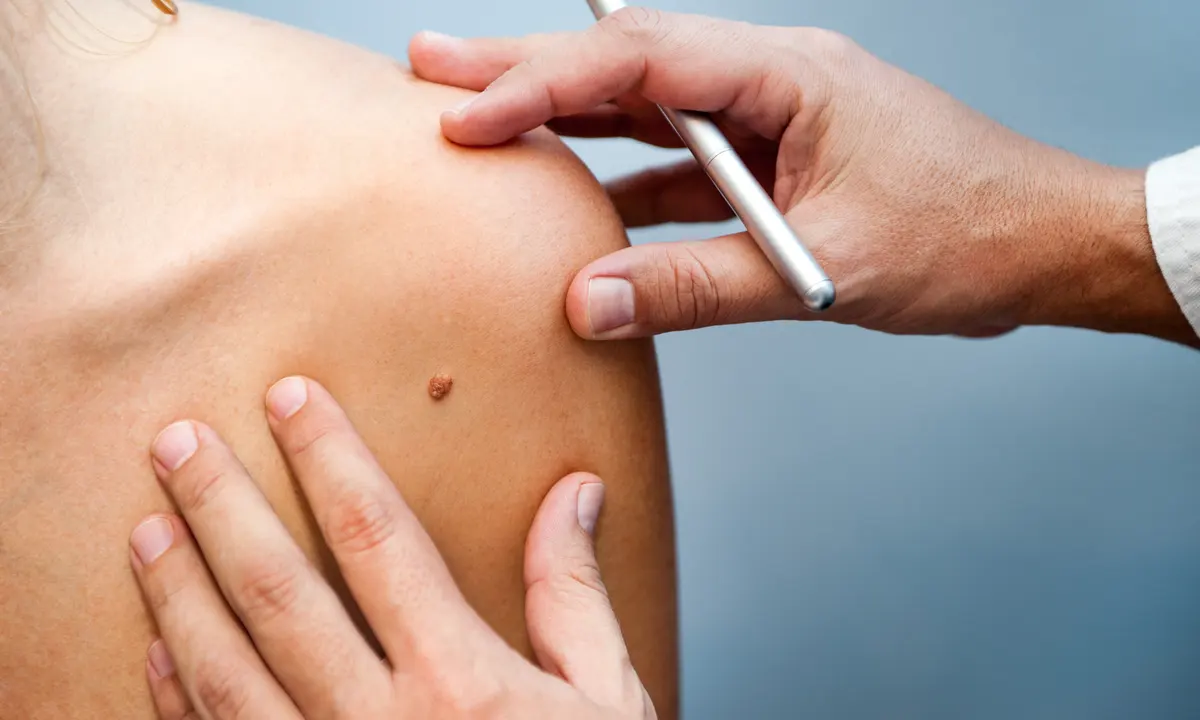
New Delhi, 26 May 2025: A comprehensive new global study has sounded the alarm over a significant rise in skin cancer cases among older men in the last three decades. According to the research published in the journal JAMA Dermatology, cases of both melanoma and non-melanoma skin cancers have surged worldwide, with men aged 55 and above disproportionately affected.
The findings are drawing attention to the urgent need for improved prevention, early detection, and education—especially targeted at aging male populations who may underestimate the dangers of sun exposure and skin neglect.
30-Year Trend Shows a Sharp Increase in Male Skin Cancer Rates
The international study, led by researchers from the Global Burden of Disease Project and affiliated academic institutions, analyzed data from 1990 to 2019. The results revealed a startling nearly 50% increase in the global burden of skin cancer over this period, with older men accounting for the majority of this spike.
In 2019 alone, more than 1.5 million new cases of non-melanoma skin cancers and over 290,000 cases of melanoma were reported globally. Melanoma, though less common, is the deadlier of the two and saw a consistent upward trajectory in older men, particularly in high-income countries.
Why Are Older Men at Higher Risk?
Experts point to multiple reasons for the rise in skin cancer among older men:
- Cumulative Sun Exposure: Men over 55 may have had decades of unprotected sun exposure, especially those who worked outdoors or rarely used sunscreen in their younger years.
- Biological Differences: Research suggests that men’s skin may be more prone to damage from ultraviolet (UV) rays, and their immune response to abnormal skin cells may be less effective than women’s.
- Neglect of Skin Health: Studies show that men are less likely to use sunscreen, wear protective clothing, or schedule regular skin checks compared to women.
- Later Diagnosis: Men are also more likely to ignore early symptoms or dismiss suspicious moles, leading to later-stage diagnoses when cancer is harder to treat.
The surge in skin cancer cases is not uniform across the globe. High-income countries with predominantly fair-skinned populations and high levels of UV exposure showed the most dramatic increases.
- Australia and New Zealand continue to have the highest melanoma rates in the world, partly due to intense UV radiation and historically poor sun protection habits.
- Western Europe, North America, and parts of Scandinavia also reported rising cases among older men.
- South Asia and Africa, where darker skin tones offer some natural protection, reported lower rates but growing concern due to increased awareness and better reporting.
Interestingly, incidence rates are rising even in countries with strong public health campaigns, highlighting the need for continued education and tailored prevention for high-risk groups like older men.
Non-Melanoma vs Melanoma: Understanding the Differences
The study also distinguishes between the two main types of skin cancer:
Non-Melanoma Skin Cancer (NMSC): Includes basal cell carcinoma and squamous cell carcinoma. These are more common and typically less deadly but still require early treatment to prevent complications.
Melanoma: Less common but far more dangerous, melanoma can spread to other organs if not caught early and is responsible for the majority of skin cancer deaths.
Older men were more likely to develop both types, but the rise in melanoma cases among this demographic is particularly concerning due to its high mortality rate.
Prevention and Early Detection: What Can Be Done
Medical experts emphasize that skin cancer is largely preventable with simple lifestyle changes and routine screenings. Key recommendations include:
- Daily sunscreen use with SPF 30 or higher
- Wearing hats and protective clothing when outdoors
- Avoiding tanning beds and excessive sunbathing
- Regular self-checks for new or changing moles, spots, or lesions
- Annual dermatology exams, especially for people with a history of sunburns, fair skin, or a family history of skin cancer
“Men over 50 should be especially vigilant,” said Dr. Priya Venkatesh, an oncologist at the Indian Cancer Society. “Skin changes shouldn’t be ignored. Early diagnosis drastically improves survival rates.”
Although India has relatively lower skin cancer rates compared to Western nations, the rising trend in urban areas is cause for concern. Increased UV exposure, changing lifestyles, and lack of awareness contribute to underdiagnosed and undertreated cases.
Doctors in metro cities are witnessing a gradual uptick in elderly men presenting with suspicious skin lesions, often dismissed initially as age spots or harmless growths.
“In India, awareness around skin cancer is still very low, especially in men,” said Dr. Ravi Chaturvedi, a senior dermatologist in Bengaluru. “We need to integrate skin health education into primary healthcare.”














Leave a comment