Measles cases are rebounding across the world despite a significant decline in the genetic diversity of the virus, raising fresh concerns about vaccination gaps and disease surveillance. A new global review has found that only two of the 24 historically recognised measles virus genotypes have been reported since 2021, even as infections continue to spread across several regions.
Published in the journal Vaccines in November 2026, the review examined global measles and rubella surveillance data between 2000 and 2025. The findings highlight an important public health challenge: fewer circulating viral genotypes do not necessarily mean fewer infections or a lower risk of outbreaks.
Measles Cases Rebounded After The COVID-19 Pandemic
According to the review, 411,913 measles cases were reported worldwide in 2025, returning to levels comparable to those recorded before the COVID-19 pandemic. However, reported cases may represent only around 5% of actual measles infections globally, suggesting that the true disease burden could be considerably higher.
Researchers believe missed childhood vaccinations and immunity gaps created during the pandemic have contributed to the resurgence. Regional trends also varied considerably. Europe’s WHO region recorded more than 150,000 cases in 2024, its highest annual total since 1997, followed by a 75% decline in 2025. Meanwhile, cases increased in the Americas in 2025 following earlier measles elimination achievements.
These developments highlight how disruptions in routine immunisation can create opportunities for highly infectious diseases to return.
Why Is Measles Genetic Diversity Declining?
Measles viruses are classified into different genotypes based on genetic differences in their viral genomes. Historically, 24 genotypes were recognised. However, surveillance data show that only two genotypes, B3 and D8, have been reported since 2021.
Researchers suggest that vaccination programmes have helped reduce opportunities for the virus to circulate and evolve into multiple genetic lineages. Genotype D8 has been the most frequently reported globally since 2018, except in 2021. Genotype B3 has also continued circulating, particularly in the Eastern Mediterranean region.
Although declining genetic diversity can indicate progress in controlling viral transmission, it creates challenges for tracking outbreaks. When fewer genetic differences exist between circulating viruses, distinguishing individual transmission chains becomes more difficult. Importantly, fewer genotypes do not mean that measles has become less infectious or that existing strains are harmless.
ALSO READ: New COVID-19 Variant PJ.2.1 Spreading Rapidly: Can It Trigger Another Pandemic?
Why Are Vaccination Gaps A Major Concern?
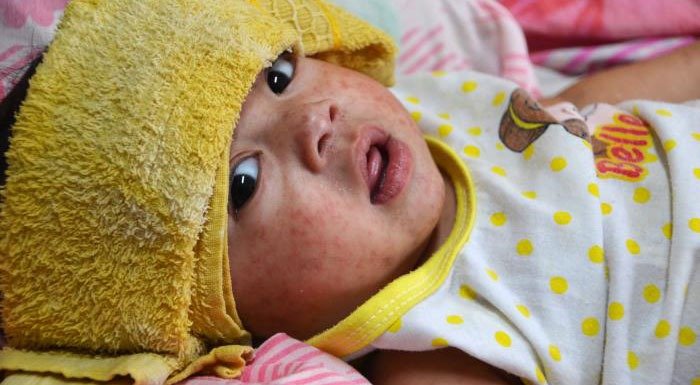
Measles is a highly contagious viral infection that spreads through respiratory droplets and airborne particles when an infected person coughs, sneezes or breathes. The infection can cause high fever, cough, runny nose, red and watery eyes and a characteristic skin rash. Although many patients recover, measles can lead to serious complications, particularly in young children, pregnant women and people with weakened immune systems.
These complications include pneumonia, severe diarrhoea, dehydration, ear infections and, in some cases, encephalitis (inflammation of the brain). Vaccination remains the most effective way to prevent measles and reduce the risk of outbreaks. Two doses of a measles-containing vaccine provide strong protection against infection.
Why Better Disease Surveillance Matters
The review also identified significant gaps in global measles and rubella surveillance. Researchers found differences in the availability of viral genetic sequences across regions, with some areas contributing considerably fewer samples than others.
The World Health Organization’s Global Measles and Rubella Laboratory Network plays an important role in monitoring circulating strains and identifying outbreaks.
Researchers emphasised the need for stronger laboratory infrastructure, improved sequencing techniques and better coordination between epidemiologists and laboratory scientists. The study also found that no measles vaccine-escape strains had been reported.
Can Measles Be Eliminated?
The findings reinforce that reducing measles transmission requires more than tracking changes in the virus’s genetic structure. Maintaining high vaccination coverage, identifying missed cases and strengthening disease surveillance remain essential.
While the declining number of circulating genotypes reflects changes in viral diversity, the resurgence of infections shows that measles continues to pose a significant global health challenge.
For public health authorities, the priority remains closing immunity gaps, improving childhood vaccination coverage and ensuring that outbreaks are detected and controlled quickly.
Follow HealthWireMedia.com for all the latest health news and developments from around the world.