

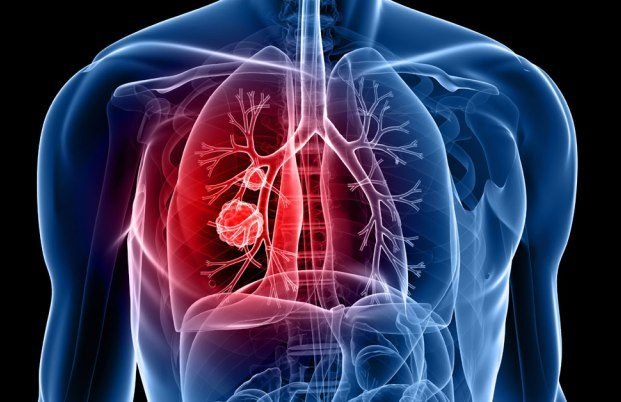
New Delhi, 05 November, 2025: Every November, Lung Cancer Awareness Month shines a spotlight on one of the world’s deadliest but most misunderstood diseases. For decades, lung cancer has been strongly associated with smoking—but the truth is more complex. Today, a growing number of lung cancer patients are non-smokers, and their numbers are increasing every year.
In 2025, doctors and researchers are urging everyone—not just smokers—to recognize that lung cancer doesn’t discriminate. Non-smokers can develop the disease due to genetic factors, environmental exposures, and even lifestyle influences. What’s more, early symptoms are often subtle or mistaken for minor respiratory issues, leading to delayed diagnosis and reduced survival rates.
Understanding the hidden signs and taking proactive steps for early detection could save lives. This article explores why lung cancer affects non-smokers, the symptoms you should never ignore, and what experts say about protecting your lung health.
Why Non-Smokers Get Lung Cancer
While smoking remains the leading cause of lung cancer, around 15–20% of cases occur in people who have never smoked. That statistic challenges old assumptions and highlights the complexity of this disease.
Here are the most common reasons non-smokers develop lung cancer:
1. Secondhand Smoke
Even brief exposure to cigarette smoke can introduce carcinogens into the lungs. According to the World Health Organization, secondhand smoke causes more than 1.2 million deaths each year globally, many of them from lung-related diseases.
2. Air Pollution
Prolonged exposure to polluted air, especially fine particulate matter (PM2.5), has been linked to increased lung cancer risk. Urban residents and those living near heavy traffic or industrial areas face higher exposure levels.
3. Radon Gas
Radon is a colorless, odorless radioactive gas that seeps from soil and rock into homes and buildings. It’s the second leading cause of lung cancer after smoking and the top cause among non-smokers. Testing homes for radon can significantly reduce this risk.
4. Occupational Hazards
Workers exposed to asbestos, diesel exhaust, arsenic, or other toxic substances face elevated lung cancer risks—even if they never smoke. Occupational safety and protective equipment are vital preventive measures.
5. Genetic and Biological Factors
In many non-smokers, lung cancer is driven by genetic mutations—such as EGFR, ALK, or ROS1—that cause abnormal cell growth. These mutations are often found in younger patients and women, especially those of Asian descent.
6. Previous Lung Diseases
Chronic lung conditions like COPD, tuberculosis, or pulmonary fibrosis can cause inflammation and scarring, which increase the likelihood of malignant changes over time.
The Hidden Symptoms Non-Smokers Often Overlook
One of the reasons lung cancer is so dangerous is that it often develops silently. Many patients don’t notice symptoms until the disease is advanced. For non-smokers, who might not suspect lung cancer at all, subtle signs are easily dismissed.
Here are key symptoms you should never ignore:
1. Persistent Cough
A chronic cough that lasts more than eight weeks, especially if it worsens or changes in tone, can be an early warning sign. Non-smokers often attribute it to allergies, pollution, or a lingering cold—but if it persists, it warrants medical evaluation.
2. Shortness of Breath
Feeling winded after light activity or experiencing unexplained breathlessness can indicate a blockage or inflammation in the lungs. Even if you’re physically fit, any new or worsening shortness of breath deserves attention.
3. Chest Pain or Discomfort
Chest pain that feels dull, sharp, or constant—particularly when breathing deeply or coughing—could signal lung irritation or tumor growth near nerve endings.
4. Hoarseness or Voice Changes
When a tumor presses on the vocal cords or surrounding nerves, it can cause hoarseness or a raspy voice. Persistent voice changes should not be ignored, especially in the absence of infection.
5. Unexplained Fatigue
Cancer cells consume energy and disrupt normal metabolism, leading to ongoing tiredness that rest doesn’t fix. Chronic fatigue, coupled with other mild respiratory issues, may be an early red flag.
6. Unexplained Weight Loss
Sudden or significant weight loss without dietary changes can indicate a metabolic response to cancer. It often accompanies appetite loss and should prompt immediate medical attention.
7. Recurring Respiratory Infections
Frequent bouts of bronchitis, pneumonia, or chest infections in the same lung area may point to an underlying obstruction caused by a tumor.
8. Coughing Up Blood (Hemoptysis)
Even small traces of blood in mucus or phlegm can be an alarming sign. While it may result from minor conditions, it always requires prompt medical evaluation.
9. Shoulder or Back Pain
Lung cancer can irritate nerves or spread to surrounding areas, leading to pain in the shoulders, upper back, or arms. This symptom is often overlooked or attributed to muscle strain.
Why Early Detection Saves Lives
The earlier lung cancer is detected, the better the chances of successful treatment. According to the American Lung Association, the five-year survival rate for early-stage lung cancer is over 60%, compared to less than 10% for late-stage diagnoses.
Unfortunately, because symptoms can be vague and non-specific, many cases in non-smokers are discovered incidentally during imaging for unrelated health issues.
Screening Recommendations
Doctors now recommend low-dose CT (LDCT) scans for individuals at higher risk, including:
- Adults aged 50–80 with a long history of smoking
- People with strong family histories of lung cancer
- Non-smokers exposed to radon, pollution, or occupational hazards
- Individuals with previous lung diseases or unexplained respiratory symptoms
Even if you don’t meet traditional risk factors, discussing your history and environment with a healthcare provider can help determine whether screening is appropriate.
What Doctors Say: Changing the Narrative
Dr. Lisa Reynolds, an oncologist at Johns Hopkins Medicine, emphasizes that lung cancer awareness must move beyond smoking.
“We need to stop thinking of lung cancer as a smoker’s disease. Non-smokers are increasingly diagnosed, and their cases often differ biologically. Awareness, early screening, and understanding the symptoms are essential for saving lives.”
Dr. Reynolds also notes that non-smoker lung cancers often respond well to targeted therapies—treatments designed to attack specific genetic mutations in cancer cells. These therapies, along with advances in immunotherapy, have improved survival rates and quality of life for many patients.
Reducing Your Risk: Steps Everyone Should Take
While not all causes of lung cancer can be avoided, you can significantly reduce your risk with proactive measures:
1. Test Your Home for Radon
Affordable radon test kits are available for homeowners and renters. If radon levels are high, professional mitigation systems can safely reduce exposure.
2. Avoid Secondhand Smoke
Stay away from smoking areas and educate loved ones about the dangers of passive smoke exposure, especially around children.
3. Protect Yourself at Work
If you’re exposed to dust, fumes, or chemicals, always wear appropriate safety gear and ensure proper ventilation.
4. Maintain a Healthy Lifestyle
A diet rich in fruits, vegetables, and antioxidants supports lung health. Regular exercise improves lung capacity and immune function, while hydration helps clear toxins.
5. Monitor Air Quality
Check local air quality indexes and avoid outdoor exercise on days with high pollution. Indoor air purifiers can also help reduce particulate exposure.
6. Schedule Regular Check-Ups
Routine health exams and discussions about respiratory changes can help identify problems before they escalate. Don’t dismiss lingering symptoms as “just allergies” or “a seasonal cough.”
Lung Cancer in Non-Smokers: A Growing Concern
The number of non-smoking lung cancer cases has been steadily rising, particularly among women under 50. Research suggests that genetic factors and environmental triggers play a growing role. Awareness campaigns like Lung Cancer Awareness Month 2025 aim to challenge misconceptions and push for earlier testing, better research funding, and equitable treatment access.
Lung cancer in non-smokers is no longer rare, and its warning signs can be deceptively mild. Persistent coughs, fatigue, chest pain, or voice changes may seem harmless, but they could be early signals of something more serious. As we observe Lung Cancer Awareness Month 2025, let’s commit to breaking the stigma, spreading knowledge, and encouraging early screening for all—smokers and non-smokers alike.
Awareness is prevention, and prevention saves lives.
















Leave a comment