


New Delhi, 21 October, 2025: In a concerning turn of events, Kollam, a bustling district in the southern part of Kerala, has witnessed a significant surge in chickenpox cases. Over the past few weeks, healthcare authorities have reported a rapid rise in the number of infections, prompting the district administration to declare a health alert. The outbreak has left local medical services overwhelmed, with hospitals and clinics struggling to manage the growing number of cases. As chickenpox continues to spread across the district, experts and health officials are working tirelessly to contain the virus and prevent a more extensive public health crisis.
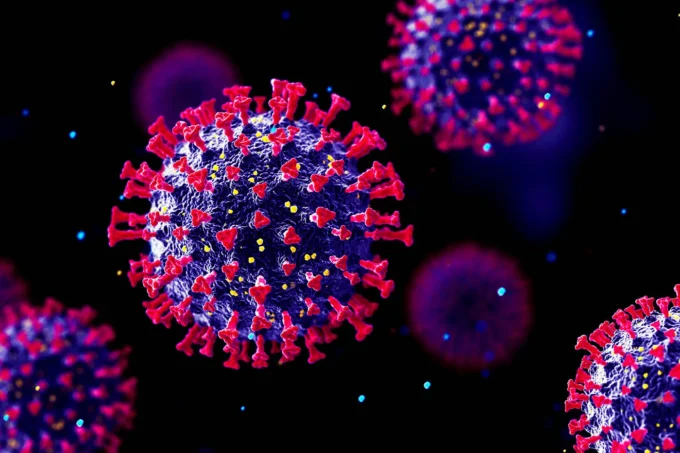
Chickenpox, also known as varicella, is a highly contagious viral infection caused by the varicella-zoster virus. It typically affects children, though adults who have not had the disease or been vaccinated can also contract it. The condition is characterized by an itchy rash that progresses from red spots to fluid-filled blisters, which eventually scab over. It is usually mild in healthy children, but complications can arise, particularly in adults, pregnant women, and individuals with weakened immune systems.
Rapid Spread in Kollam: A Cause for Concern
The sudden surge of chickenpox cases in Kollam has raised alarm bells within the local health system. According to recent reports from the Kollam District Health Department, the number of confirmed chickenpox cases has increased drastically in just a few weeks. Hospitals, clinics, and local health centers have been overwhelmed with a steady influx of patients presenting with the characteristic symptoms of the disease.
Dr. Ramesh Kumar, the District Medical Officer (DMO), explained that the rapid rise in cases could be attributed to several factors, including a lack of sufficient immunization coverage, inadequate awareness about the disease, and the increase in human mobility due to festivals and public gatherings. He emphasized that chickenpox is highly contagious and can spread quickly, especially in crowded environments where social distancing measures are not strictly followed.
While chickenpox is typically seen as a mild illness in children, the district’s health authorities are particularly concerned about the number of adults who have contracted the disease in recent weeks. Adults, especially those with underlying health conditions or compromised immune systems, are at a greater risk of complications from chickenpox. These complications can include bacterial infections, pneumonia, and in rare cases, encephalitis (swelling of the brain).
Health Alert Declared: Steps Being Taken to Contain the Outbreak
In response to the alarming rise in cases, the district administration has declared a health alert to contain the spread of the disease. Health officials have issued a series of guidelines for the public to follow, aimed at minimizing the risk of further infections.
- Quarantine and Isolation: Individuals diagnosed with chickenpox have been advised to remain in isolation until all their blisters have scabbed over, as the virus remains contagious until then. Schools and workplaces have also been instructed to encourage employees and students who show symptoms to stay home and avoid contact with others.
- Vaccination Campaign: One of the most effective ways to prevent chickenpox is vaccination. The district health department has launched a special vaccination campaign, particularly targeting children and adults who have not yet received the varicella vaccine. Free vaccination camps have been set up in various parts of the district, and health workers are actively visiting schools and communities to encourage vaccination.
- Awareness Programs: Public awareness campaigns have been initiated to educate the general population about the symptoms, prevention methods, and the importance of early diagnosis. Health officials have been using both traditional media and social media platforms to disseminate information about chickenpox, urging people to seek medical attention if they suspect they or their children have contracted the disease.
- Increased Monitoring: Surveillance of chickenpox cases has been intensified across the district. Health authorities have increased the frequency of visits to schools, hospitals, and other public spaces to monitor and track the spread of the virus. This has also allowed them to identify areas where the disease is more concentrated and deploy additional resources accordingly.
- Treatment and Medical Support: Hospitals and healthcare facilities in Kollam have been put on high alert to handle the growing number of cases. Medical staff are being trained to identify and manage chickenpox cases efficiently. In more severe cases, antiviral medications may be administered to reduce the severity and duration of symptoms. In addition, patients who develop complications are being provided with specialized care.
Impact on the Community and Economy
While chickenpox is typically not considered a severe disease in the general population, the recent outbreak has caused significant disruption in Kollam. The district’s healthcare system, already under strain due to the ongoing pandemic, is now facing additional pressure as it tries to cope with the influx of chickenpox patients. Local hospitals have reported a significant rise in outpatient visits and emergency room admissions, leading to overcrowding in some facilities.
The outbreak has also had a knock-on effect on local schools and businesses. Several educational institutions in Kollam have reported a higher-than-usual absentee rate, with many students staying home to avoid exposure. Some schools have even temporarily closed their doors in an effort to control the spread of the virus. Local businesses, particularly those that rely on face-to-face interactions, have also been impacted as many workers are staying home due to illness or precautionary measures.
The financial strain caused by the outbreak has led to calls for increased support from both state and national authorities. Many local businesses are seeking relief measures to help them recover from the economic impact of the outbreak. At the same time, healthcare providers are urging the government to allocate additional resources to help contain the spread of the virus.
Lessons Learned and Moving Forward
As the district grapples with the rise in chickenpox cases, there are important lessons to be learned from the current situation. The most prominent of these is the need for greater public awareness and vaccination coverage. While chickenpox is a preventable disease, the lack of vaccination in certain segments of the population has led to an outbreak that could have been avoided.
Experts also point out that while the current situation is serious, it is a reminder of the importance of maintaining robust public health infrastructure. The ability to respond quickly to outbreaks, monitor disease patterns, and mobilize resources is crucial in preventing the spread of contagious diseases.
As the health alert continues, officials are hopeful that the measures being put in place will help contain the outbreak and prevent further escalation. In the meantime, the public is urged to stay vigilant, adhere to the guidelines provided by health authorities, and consider vaccination as the best form of prevention.
Conclusion
The rapid surge in chickenpox cases in Kollam has raised significant concerns among health officials and the local community. With a health alert now in place, steps are being taken to mitigate the impact of the outbreak, including quarantine measures, vaccination drives, and public awareness campaigns. While the situation is alarming, the district’s health authorities are working diligently to control the spread of the disease and prevent further complications.
In the face of this public health challenge, it is essential for everyone—individuals, families, and communities—to take the necessary precautions, seek medical attention when needed, and follow the advice of health experts. By doing so, Kollam can overcome this outbreak and continue on its path toward better health and well-being.















Leave a comment