

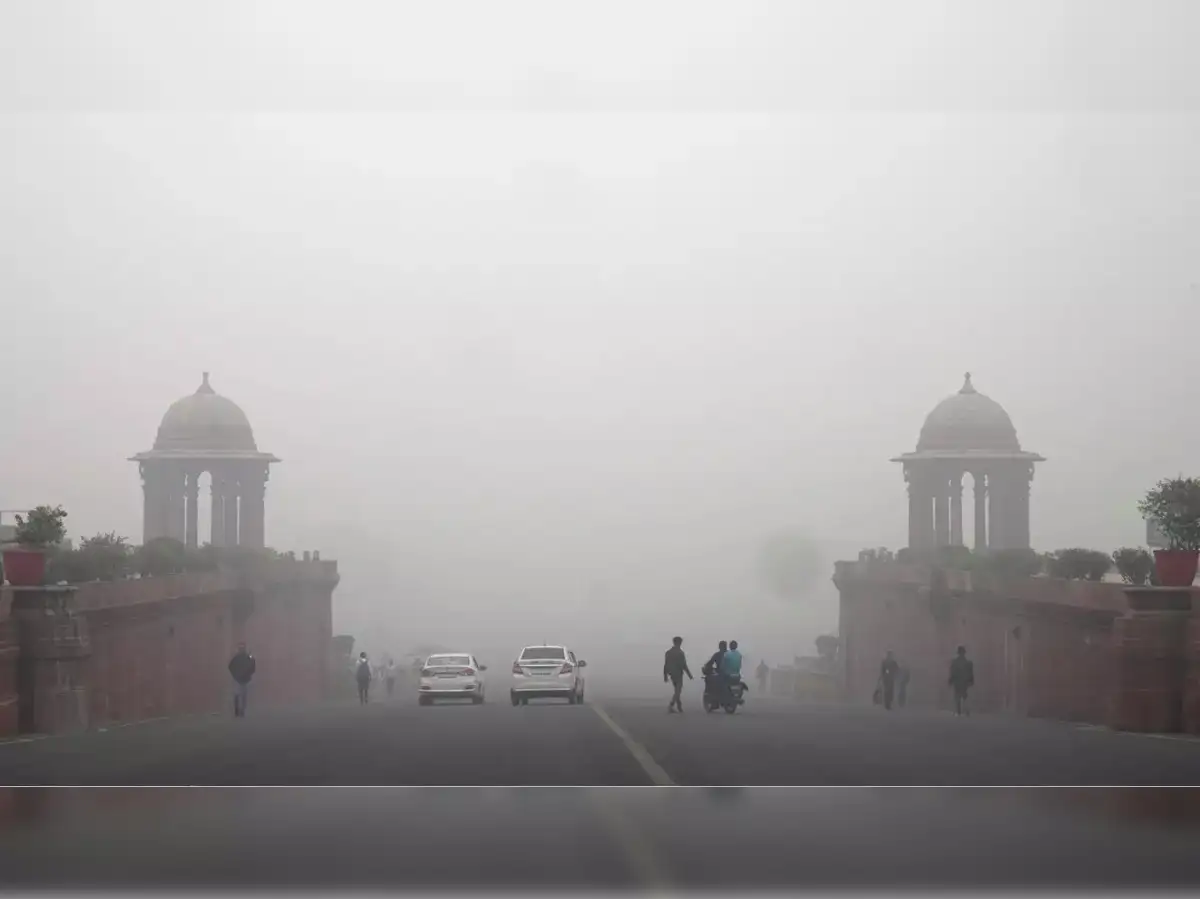
New Delhi, 21 October, 2025: As the festive fervor of Diwali enveloped the national capital, Delhi was once again engulfed in a haze of pollution, exacerbated by the rampant use of fireworks. The celebration, known for its joyous spirit and vibrant displays, has become synonymous with deteriorating air quality, and this year was no exception. According to the latest data from the Central Pollution Control Board (CPCB), an alarming 36 out of 38 monitoring stations across Delhi recorded air quality in the red zone, indicating hazardous levels of pollution. In some areas, the Air Quality Index (AQI) surged past the 400 mark, a level considered severe and dangerous for all residents, regardless of their health condition.
The sight of the city’s skyline hidden behind a thick veil of smoke, the sharp smell of burnt chemicals in the air, and the widespread coughing and eye irritation among residents underscored the grim reality of air pollution. As millions of people celebrated Diwali with fireworks, the resulting environmental impact has drawn widespread concern, with experts warning that the situation could have long-lasting effects on the health of the city’s residents.
The Diwali Pollution Crisis: What’s Happening to Delhi’s Air Quality?
Diwali, the festival of lights, is one of the most widely celebrated festivals in India, particularly in Delhi, where the night sky lights up with fireworks. Unfortunately, what is often overlooked is the severe environmental and health consequences that accompany the celebration. Fireworks, particularly the cheap, low-quality ones commonly sold in the lead-up to the festival, contribute heavily to air pollution.
On the night of Diwali, massive quantities of firecrackers filled the air with fine particulate matter (PM2.5), a dangerous pollutant that poses significant health risks when inhaled. These tiny particles can penetrate deep into the lungs, causing a range of respiratory and cardiovascular problems, especially among vulnerable groups like children, the elderly, and people with pre-existing health conditions.
In 2023, as in previous years, the AQI levels in Delhi reached alarming heights following the Diwali festivities. The AQI value, which measures the concentration of pollutants in the air, can range from 0 to 500, with values above 300 categorized as “very poor” and those above 400 classified as “severe.” On Diwali night, several areas across the city registered AQI levels over 400, far surpassing safe limits.
The Health Impacts of Hazardous AQI Levels
An AQI reading above 400 is considered severe, and this type of pollution can have immediate and serious health effects for everyone in the population. Even healthy individuals may experience respiratory issues, eye irritation, and aggravated asthma or allergies. For those with pre-existing conditions, such as heart disease, lung disorders, or respiratory conditions like asthma, exposure to such high levels of pollution can lead to hospitalizations, exacerbated symptoms, and even life-threatening complications.
The elderly and children are the most vulnerable during episodes of high pollution. For young children, whose lungs are still developing, the impact can be long-term, potentially leading to chronic respiratory conditions as they grow older. The elderly, with weaker immune systems, face an increased risk of heart attacks, strokes, and breathing difficulties. Moreover, people with compromised immune systems—such as those recovering from COVID-19 or other viral infections—are at an even higher risk of complications from exposure to high levels of air pollution.
Experts suggest that the long-term effects of repeated exposure to such pollution levels could contribute to a significant rise in chronic diseases such as chronic obstructive pulmonary disease (COPD), lung cancer, and cardiovascular disorders.
Factors Contributing to the Crisis
The combination of fireworks, vehicular emissions, stubble burning in neighboring states, and other industrial pollutants creates a dangerous cocktail of toxic air in Delhi. On Diwali night, the intensity of the fireworks combined with a lack of wind worsens the air quality, trapping pollutants in the atmosphere and causing them to stagnate over the city.
- Fireworks: Fireworks are the primary contributors to the severe pollution spikes on Diwali. The burning of crackers releases particulate matter, heavy metals, and toxic gases such as carbon monoxide, nitrogen oxides, and sulfur dioxide. The dense smoke from these fireworks significantly reduces visibility, creating a smoky blanket over the city.
- Stubble Burning: During Diwali, large-scale stubble burning in nearby states like Haryana, Punjab, and Uttar Pradesh also exacerbates Delhi’s air quality. Farmers burn leftover crop residue, releasing large amounts of smoke and particulate matter into the air. The winds often carry this smoke toward Delhi, adding to the already heavy load of pollutants in the atmosphere.
- Vehicular Emissions: Delhi’s notorious traffic congestion contributes significantly to air pollution throughout the year, but the problem becomes particularly acute during Diwali. With more vehicles on the road as people travel to family gatherings and celebrations, emissions from vehicles—especially diesel-powered ones—add to the already perilous air quality.
- Industrial Pollution: Delhi is home to a range of industries, and many factories, construction sites, and power plants release pollutants into the atmosphere, even during festive periods. Industrial activities combined with the increased use of fireworks create an overwhelming burden on the air.
Government Response and Measures
In response to the worsening air quality, the Delhi government has implemented several measures aimed at reducing pollution and protecting public health. Some of these actions have been:
- Ban on Firecrackers: The Delhi government had imposed a complete ban on the sale and use of firecrackers in the city in a bid to control pollution. While the ban has been in place for several years, it has been difficult to enforce, with many residents continuing to buy firecrackers from neighboring areas where the sale remains legal.
- Task Force on Air Pollution: The Delhi government’s Environment Pollution (Prevention and Control) Authority (EPCA) formed a task force to monitor the air quality levels during the festive season. The authorities worked closely with the CPCB to track AQI levels in real-time and issue advisories and alerts when pollution levels crossed dangerous thresholds.
- Delhi’s Odd-Even Scheme: The Delhi government has also implemented the odd-even scheme, where private vehicles with odd and even license plates are allowed on alternate days. This is a measure designed to reduce traffic emissions, which are a significant contributor to the city’s pollution.
- Public Awareness Campaigns: Various organizations, environmental activists, and local bodies have launched campaigns encouraging citizens to celebrate Diwali in an eco-friendly manner, such as using eco-friendly crackers, or opting for laser shows, and reducing the overall environmental impact of the festival.
- Strengthening Air Quality Monitoring: The Delhi Pollution Control Committee (DPCC) has expanded the network of air quality monitoring stations in the city to provide real-time data on AQI levels. The government has also started to invest in technologies that can provide faster solutions to mitigate air pollution.
The Role of Citizens: A Collective Responsibility
While government measures play a crucial role in curbing pollution, citizens also have a significant part to play in tackling the air quality crisis. The explosion of fireworks during Diwali is a deeply ingrained cultural tradition, but it is also one that needs to be reconsidered in light of the dangerous consequences it has on public health and the environment.
To truly make a difference, the public must take collective responsibility for its actions. This means choosing eco-friendly celebrations that do not harm the environment, such as using flowerpots, diyas, and other traditional, non-polluting decorations. Moreover, people can join hands with local authorities in spreading awareness about the health risks associated with fireworks and encourage others to adopt cleaner ways to celebrate.
Looking Ahead: The Need for Sustainable Solutions
Delhi’s pollution crisis is not a one-off event tied to Diwali; it is a year-round problem that worsens during the winter months. It is vital that the government, industries, and citizens work together to find sustainable solutions to the city’s pollution woes. Long-term measures could include:
- Better Waste Management Practices to reduce stubble burning and industrial emissions.
- Promotion of Green Technologies in vehicles and factories.
- Improved Public Transport to reduce dependence on private vehicles.
- Increased Investments in Clean Energy to reduce the city’s carbon footprint.
Conclusion: A Call for Action
The severe air pollution levels in Delhi on Diwali are a stark reminder of the challenges the city faces in managing its environmental health. With AQI levels crossing 400, Delhi’s air quality has become a public health emergency. While the government has implemented measures to control the crisis, a more holistic, long-term approach is required to mitigate pollution year-round.
As residents of Delhi, it is our responsibility to balance tradition with environmental sustainability, making informed choices to protect our health and that of future generations. Only through collective action, stronger enforcement of policies, and a shift in cultural practices can Delhi hope to breathe easier in the future.

















Leave a comment