


New Delhi, 06 January 2025: The rise in Human Metapneumovirus (HMPV) cases in India has raised concerns among health officials and the public. With three infants diagnosed so far, it is critical to understand this virus, its symptoms, treatment options, and preventive measures to stay safe.
What Is HMPV?
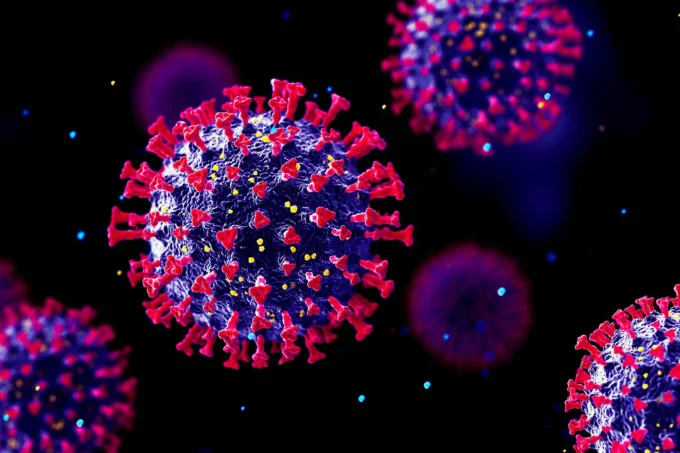
Human Metapneumovirus (HMPV) is a respiratory virus that affects the upper and lower respiratory tracts. First identified in 2001, HMPV is a member of the Paramyxoviridae family, which includes viruses like RSV and mumps. It spreads through respiratory droplets, contaminated surfaces, and close contact with infected individuals.
This virus can cause mild symptoms similar to a common cold in healthy individuals but poses a significant risk to vulnerable groups, including infants, the elderly, and those with weakened immune systems.
Symptoms of HMPV
The symptoms of HMPV are often mistaken for other respiratory illnesses, making it crucial to identify them early. Common symptoms include:
Persistent cough.
Fever and chills.
Nasal congestion or runny nose.
Difficulty breathing or wheezing.
Fatigue and weakness.
Loss of appetite (common in infants).
Sore throat or hoarseness.
In severe cases, the virus can lead to complications such as pneumonia, bronchitis, or acute respiratory distress, particularly in infants and older adults.
HMPV Cases in India
As of now, three confirmed cases of HMPV have been reported in India, involving infants aged 2 to 8 months. The affected children were admitted to hospitals in Karnataka, Maharashtra, and Gujarat after showing respiratory distress and other symptoms.
These cases have prompted health authorities to issue alerts and guidelines to hospitals and the public to ensure early detection and treatment.
Treatment Options for HMPV
Currently, there is no specific antiviral treatment for HMPV. The management focuses on supportive care to alleviate symptoms and prevent complications. This includes:
Rest and hydration: Ensuring adequate fluid intake to prevent dehydration.
Fever management: Using fever-reducing medications like paracetamol (under medical supervision).
Breathing support: In severe cases, oxygen therapy or ventilatory support may be required.
Hospitalization: For high-risk patients, hospitalization might be necessary for close monitoring and treatment.
Antibiotics are ineffective against HMPV, as it is a viral infection. However, they may be prescribed if a secondary bacterial infection develops.
How to Stay Safe: Preventive Measures
Preventing the spread of HMPV requires adopting good hygiene practices and avoiding exposure to infected individuals. Here are some tips:
Avoid Sharing Personal Items
Do not share utensils, towels, or other personal items with others to minimize the spread of the virus.
Practice Hand Hygiene
Wash your hands frequently with soap and water for at least 20 seconds. Use hand sanitizer if soap and water are unavailable.
Avoid Close Contact
Maintain a safe distance from individuals displaying symptoms of respiratory illness.
Wear a Mask
Use masks in crowded or enclosed spaces to reduce the risk of inhaling infected droplets.
Disinfect Surfaces
Regularly clean and disinfect frequently touched surfaces like doorknobs, mobile phones, and countertops.
Strengthen Immunity
Eat a balanced diet rich in vitamins and minerals to boost your immune system. Regular exercise and adequate sleep also play a vital role.
Monitor Symptoms
If you or your child exhibit symptoms of HMPV, seek medical attention promptly to prevent complications.
The rising cases of HMPV in India serve as a wake-up call to strengthen surveillance and awareness about this respiratory virus. While the virus can be mild in healthy individuals, it poses a significant risk to vulnerable populations, particularly infants and the elderly.
By staying informed and practicing preventive measures, you can protect yourself and your loved ones from HMPV. Early detection and supportive care are key to managing the infection and reducing its impact. Stay vigilant, and prioritize your respiratory health.











Leave a comment