

New Delhi, 06 January 2025: As concerns rise globally over the surge in cases of Human Metapneumovirus (HMPV), Health Minister JP Nadda has assured the nation that India is well-prepared to tackle the situation effectively. Addressing the media on Monday, Nadda stated that while the virus has been reported in certain parts of the country, there is “no reason to worry,” as the healthcare system is equipped to respond promptly.
HMPV: What Is It and Why the Concern?
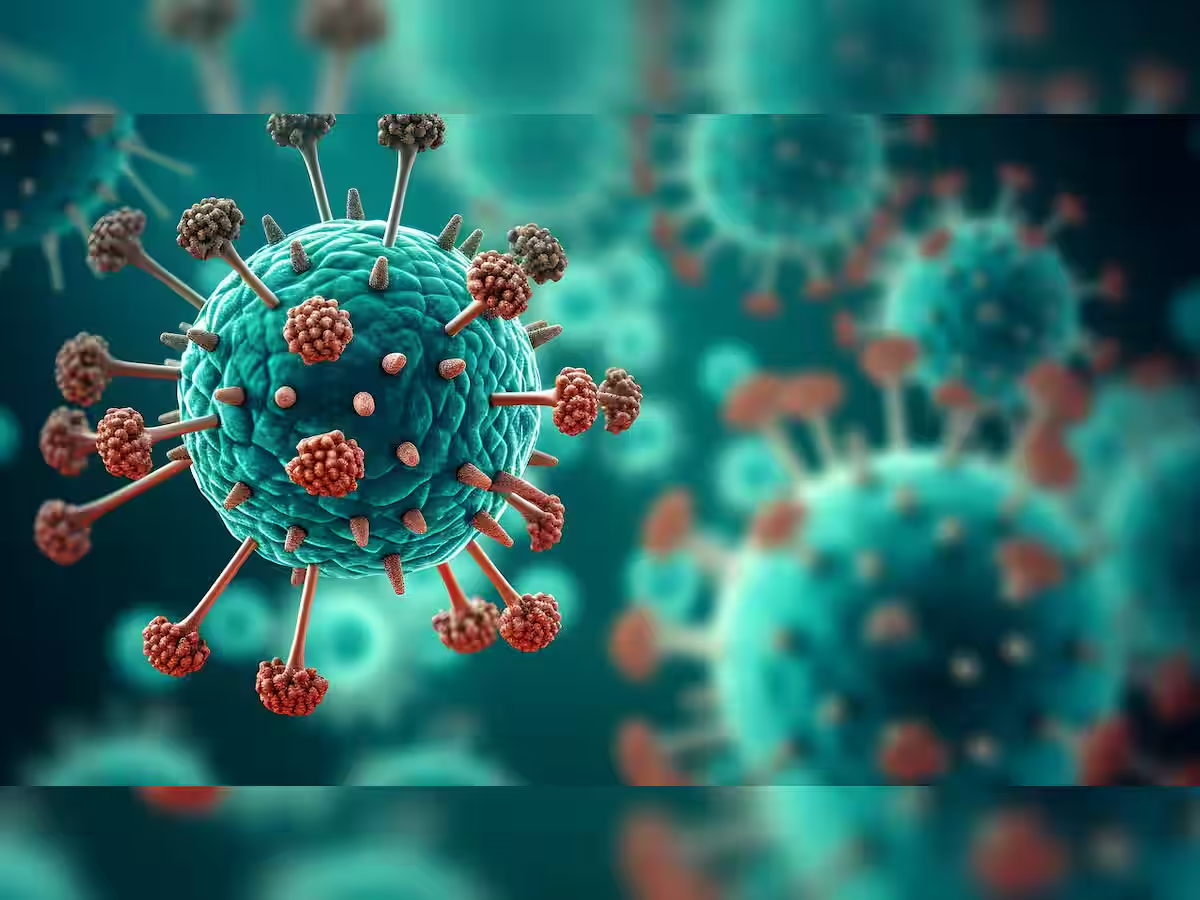
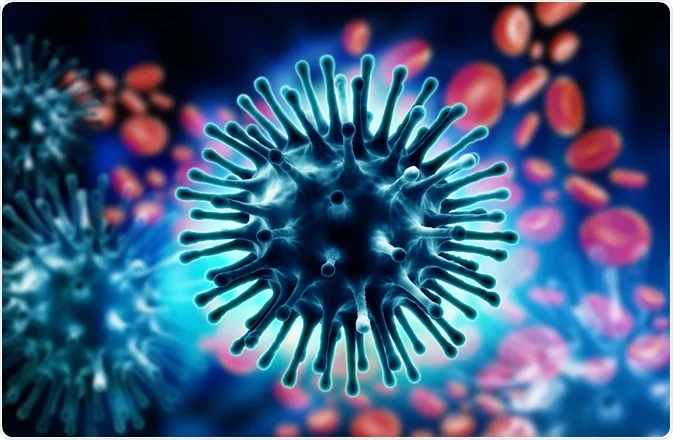
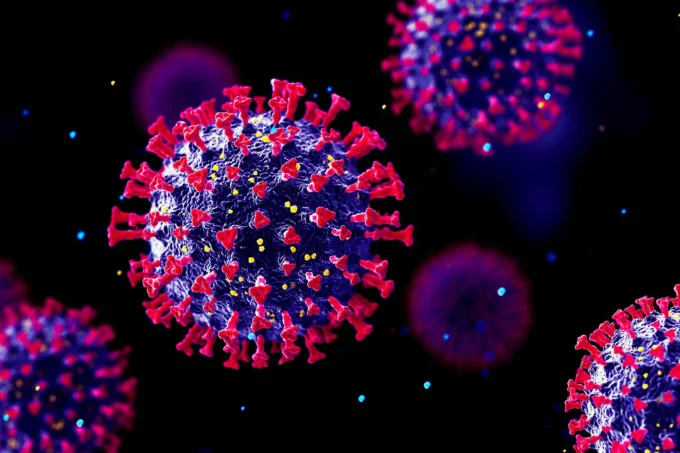
Human Metapneumovirus (HMPV) is a respiratory illness that primarily affects the upper and lower respiratory tracts. Initially identified in 2001, the virus has been making headlines due to its increasing prevalence in certain regions, including India. Symptoms of HMPV often mimic those of the flu and include fever, cough, nasal congestion, and difficulty breathing. While most cases are mild, the virus poses a greater risk to children, the elderly, and individuals with preexisting health conditions or compromised immune systems.
Reports of HMPV cases have emerged from Delhi, Karnataka, and Gujarat, with infants and the elderly being the most affected groups. However, according to Nadda, the country’s robust healthcare infrastructure and experience in handling similar outbreaks—such as COVID-19 and swine flu—place India in a strong position to contain the virus.
Health Ministry’s Preparedness Plan
The Health Minister emphasized that the government has already implemented stringent measures to monitor and curb the spread of HMPV. “India is no stranger to dealing with viral outbreaks, and we have the necessary protocols in place,” Nadda said.
Some of the key steps outlined by the ministry include:
Surveillance and Monitoring: A network of laboratories under the Indian Council of Medical Research (ICMR) has been activated to monitor and track the spread of HMPV.
Guidelines Issued: States have been instructed to ensure early detection and isolation of suspected cases. The guidelines also stress the importance of maintaining hygiene, proper ventilation, and social distancing in public places.
Healthcare Readiness: Hospitals and healthcare centers are being equipped with necessary resources, including ventilators and oxygen support, to manage severe cases.
Public Awareness Campaigns: The ministry has launched initiatives to educate the public about preventive measures, symptoms, and the importance of seeking medical attention at the earliest signs of illness.
India’s Experience as a Strength
Nadda highlighted the importance of lessons learned during the COVID-19 pandemic. “We have built a resilient healthcare system and a trained workforce capable of managing emerging health threats,” he noted. India’s mass vaccination drives, rapid deployment of healthcare resources, and successful handling of earlier outbreaks serve as a strong foundation for combating HMPV.
He also pointed out that the relatively mild nature of most HMPV infections sets it apart from more severe illnesses like COVID-19. “The majority of cases are self-limiting, and only those with underlying conditions are at risk of complications. There is no cause for panic, but vigilance is key,” he added.
Public Reassurance and Preventive Measures
Reassuring the public, Nadda encouraged individuals to adhere to preventive measures to reduce the risk of infection. Some of these include:
Practicing good hand hygiene by washing hands frequently with soap and water.
Avoiding close contact with people showing symptoms of respiratory illness.
Wearing masks in crowded or poorly ventilated areas.
Ensuring proper hydration and a nutritious diet to boost immunity.
He also urged parents to monitor their children for symptoms and seek medical attention if necessary, as children are among the most vulnerable to HMPV.
States Responding Proactively
States like Karnataka, Delhi, and Gujarat have already implemented localized action plans to manage the outbreak. Hospitals are on alert, and healthcare workers are being trained to identify and treat HMPV cases effectively. In Gujarat, where the third case of HMPV in the country was recently reported, authorities have intensified surveillance in schools and daycare centers.
While the emergence of HMPV cases in India has caused some concern, Health Minister JP Nadda’s assurance provides a sense of relief. With robust systems in place, proactive measures by the government, and public cooperation, India appears well-prepared to address this health challenge.
“Vigilance, not panic, is the need of the hour. Together, we can ensure the safety and well-being of all citizens,” Nadda concluded.











Leave a comment