

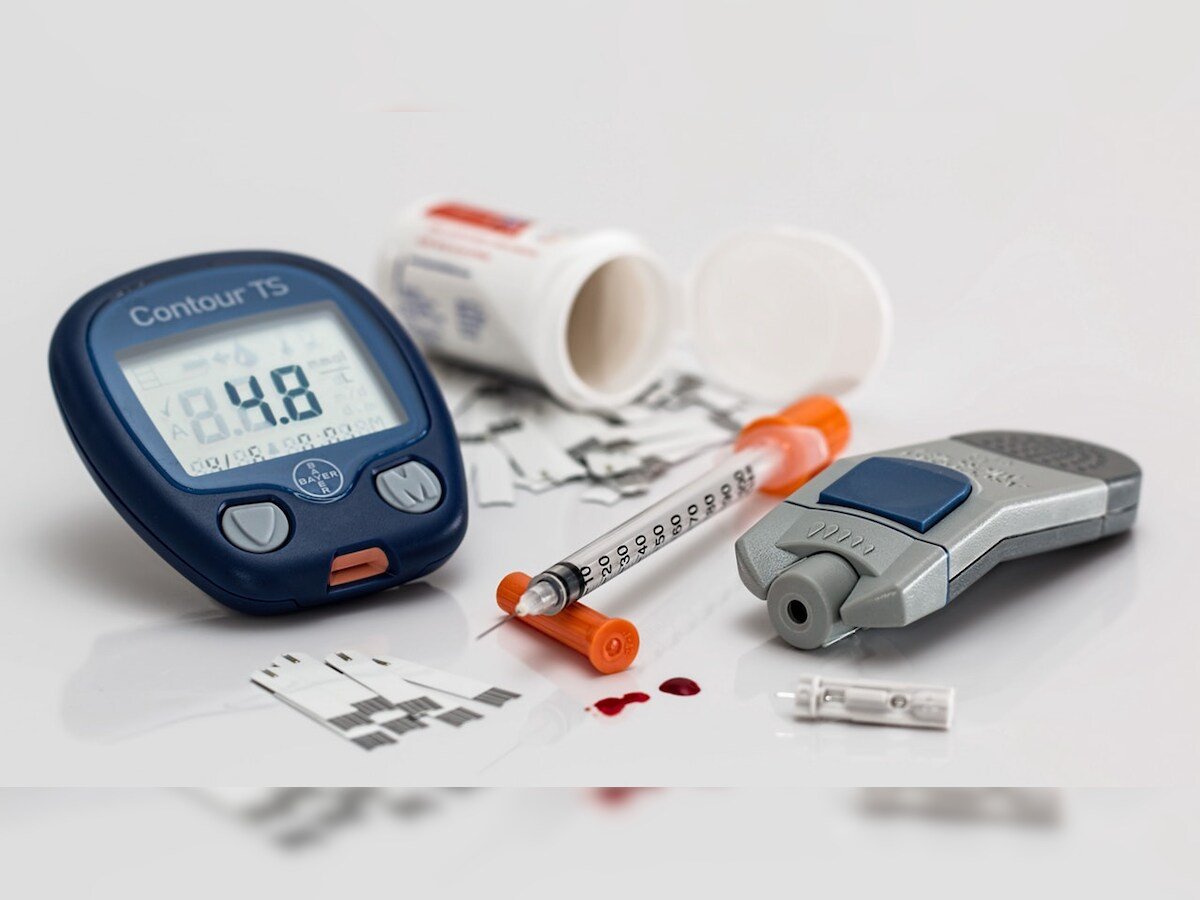
New Delhi, 27 December 2024: Managing diabetes effectively is a critical health challenge worldwide. Diet plays a central role in controlling blood sugar levels, and recent research underscores the potential benefits of a high-protein diet for individuals with diabetes. A new study reveals that consuming a diet rich in protein may improve glycemic control by enhancing peripheral insulin levels. This finding provides valuable insights into dietary strategies that can complement medical treatments for diabetes and improve quality of life.
Understanding Glycemic Control and Insulin
Glycemic control refers to the management of blood sugar levels within a target range, a crucial aspect of diabetes care. Insulin, a hormone produced by the pancreas, helps regulate blood glucose by facilitating its uptake into cells for energy. Peripheral insulin levels specifically refer to the amount of insulin available in the bloodstream outside the pancreas.
For individuals with diabetes, impaired insulin production or resistance to insulin can lead to hyperglycemia, increasing the risk of complications such as cardiovascular disease, neuropathy, and kidney damage. Optimizing glycemic control through diet and lifestyle changes is essential for reducing these risks.
How a High-Protein Diet Improves Glycemic Control
The study highlights that a high-protein diet can positively influence glycemic control by boosting peripheral insulin levels. Here are the mechanisms through which protein contributes to this improvement:
Enhances Insulin Secretion: Protein-rich foods stimulate the release of insulin from the pancreas, helping regulate blood sugar levels more effectively.
Reduces Postprandial Glucose Spikes: Consuming protein with carbohydrates slows the absorption of glucose, preventing sudden spikes in blood sugar after meals.
Improves Satiety: High-protein meals promote a feeling of fullness, reducing overall caloric intake and helping with weight management, a critical factor in diabetes care.
These effects collectively contribute to better blood sugar management and reduce the likelihood of long-term complications associated with diabetes.
Best Sources of Protein for Diabetic Patients
Not all protein sources are created equal, and individuals with diabetes should prioritize high-quality protein options that align with their overall health goals. Here are some recommended protein sources:
Lean Meats: Chicken, turkey, and lean cuts of beef or pork provide high-quality protein without excessive saturated fat.
Fish: Fatty fish like salmon, mackerel, and sardines are rich in omega-3 fatty acids, which support heart health.
Plant-Based Proteins: Lentils, chickpeas, tofu, and tempeh are excellent protein options for vegetarians and vegans.
Dairy Products: Low-fat or non-fat yogurt, cheese, and milk provide protein and calcium, promoting bone health.
Eggs: A versatile and nutrient-dense option, eggs are a staple in high-protein diets.
It is essential to balance protein intake with healthy fats and complex carbohydrates to create well-rounded, diabetes-friendly meals.
High-Protein Diets and Weight Management
Weight management plays a significant role in diabetes control, particularly for individuals with type 2 diabetes. High-protein diets can support weight loss and maintenance by:
Boosting Metabolism: Protein has a higher thermic effect compared to fats and carbohydrates, meaning the body burns more calories digesting protein.
Preserving Muscle Mass: Protein intake during weight loss helps maintain lean muscle, ensuring that weight loss primarily comes from fat.
Reducing Hunger Hormones: Protein suppresses the hunger hormone ghrelin, curbing appetite and reducing the likelihood of overeating.
By aiding in weight management, high-protein diets can indirectly improve insulin sensitivity and glycemic control.
Considerations and Precautions
While a high-protein diet offers numerous benefits, it’s essential for individuals with diabetes to approach this dietary change with caution and professional guidance. Here are some key considerations:
Kidney Health: High-protein diets may strain the kidneys, especially in individuals with preexisting kidney disease, a common complication of diabetes.
Balance is Key: Overemphasis on protein at the expense of other macronutrients can lead to nutritional imbalances. Ensure adequate intake of fiber-rich vegetables and whole grains.
Portion Control: Excessive protein intake can lead to weight gain and increased fat storage if caloric needs are exceeded.
Monitor Blood Sugar Levels: Regular monitoring is crucial to assess how the diet affects glycemic control and make adjustments as needed.
Consulting a registered dietitian or healthcare provider is recommended to create a personalized meal plan that incorporates adequate protein while meeting individual health needs.
Combining High-Protein Diets with Exercise
The benefits of a high-protein diet can be amplified when combined with regular physical activity. Exercise improves insulin sensitivity, enhances muscle glucose uptake, and supports weight management. Resistance training, in particular, pairs well with a high-protein diet by promoting muscle growth and reducing insulin resistance.
A balanced approach that includes dietary changes and an active lifestyle can yield the best outcomes for glycemic control and overall health.ward better health and quality of life.
The findings of the study emphasize the potential of a high-protein diet to enhance glycemic control by boosting peripheral insulin levels. For individuals with diabetes, this dietary approach offers a promising strategy to improve blood sugar management, reduce the risk of complications, and support overall health. However, it is crucial to implement these changes under professional guidance to ensure safety and effectiveness.
















Leave a comment