


New Delhi, 27 December 2024: The Centers for Disease Control and Prevention (CDC) has reported the first severe human case of Bird Flu (avian influenza) in the United States exhibiting significant mutations. This development has heightened concerns among public health officials about the potential for increased transmissibility and severity of the virus in humans.
Overview of the Case
The infected individual, a 53-year-old woman from Colorado, was diagnosed after close contact with infected poultry. Initially treated for flu-like symptoms, her condition worsened, requiring hospitalization. Genetic analysis of the virus isolated from the patient revealed mutations that could potentially enhance its ability to infect human cells.
This is the first reported case of severe illness caused by a mutated strain of the H5N1 virus in the U.S. The patient is currently receiving antiviral treatment and remains under close observation. Health officials emphasize that this case does not signify widespread human-to-human transmission, but it underscores the need for vigilance.
Key Findings in the Virus Mutation
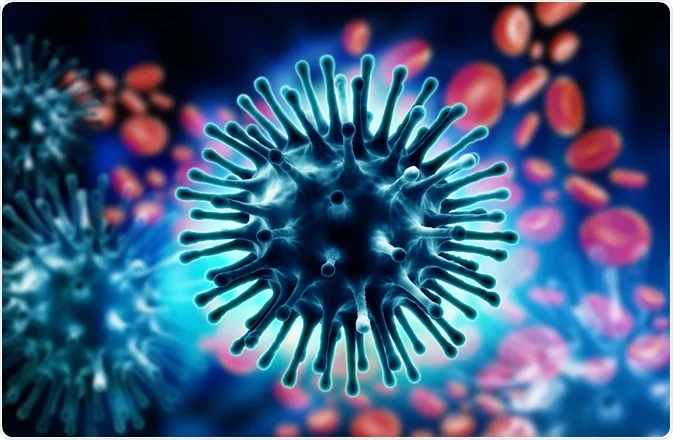
Laboratory analysis by the CDC identified mutations in the virus’s hemagglutinin (HA) protein, which plays a crucial role in how the virus binds to human cells. These mutations are similar to those found in strains that have caused severe illness in humans in other parts of the world.
Key concerns include:
Enhanced Cell Binding: The mutations appear to improve the virus’s ability to attach to human respiratory cells, potentially increasing its infectiousness.
Antiviral Resistance: Preliminary data suggests a possible reduced sensitivity to commonly used antiviral drugs, though further testing is ongoing.
Potential for Adaptation: The mutations may indicate the virus’s capacity to adapt further, increasing the risk of human-to-human transmission.
While the mutated strain remains poorly adapted to efficient human transmission, experts warn that any sign of mutation in avian influenza warrants heightened surveillance.
Public Health Implications
The CDC has emphasized that the risk to the general public remains low. However, the mutations observed in this case serve as a stark reminder of the potential for avian influenza to evolve into a form capable of sparking a pandemic.
“We’re closely monitoring the situation to understand the implications of these mutations,” said Dr. Rochelle Walensky, director of the CDC. “While it’s an isolated case, it underscores the importance of preparedness and surveillance.”
The agency has issued updated guidance to healthcare providers, urging them to remain vigilant for symptoms of avian influenza, particularly in individuals with recent exposure to birds or poultry.
H5N1 avian influenza has circulated in bird populations worldwide for decades. It has occasionally crossed into humans, typically after direct contact with infected birds. While human cases are rare, they often result in severe illness or death.
The World Health Organization (WHO) has identified a rise in avian influenza cases in both poultry and wild birds in recent years, increasing the chances of human exposure. Similar mutations to those found in the U.S. case have been documented in Southeast Asia and Europe, raising concerns about the global spread of more virulent strains.
While the mutated bird flu virus in this U.S. case has not shown evidence of widespread human-to-human transmission, its emergence highlights the unpredictable nature of viral evolution. Experts urge continued vigilance and investment in pandemic preparedness to mitigate the risk of a future outbreak. The CDC remains committed to monitoring the situation and providing timely updates to protect public health.














Leave a comment