

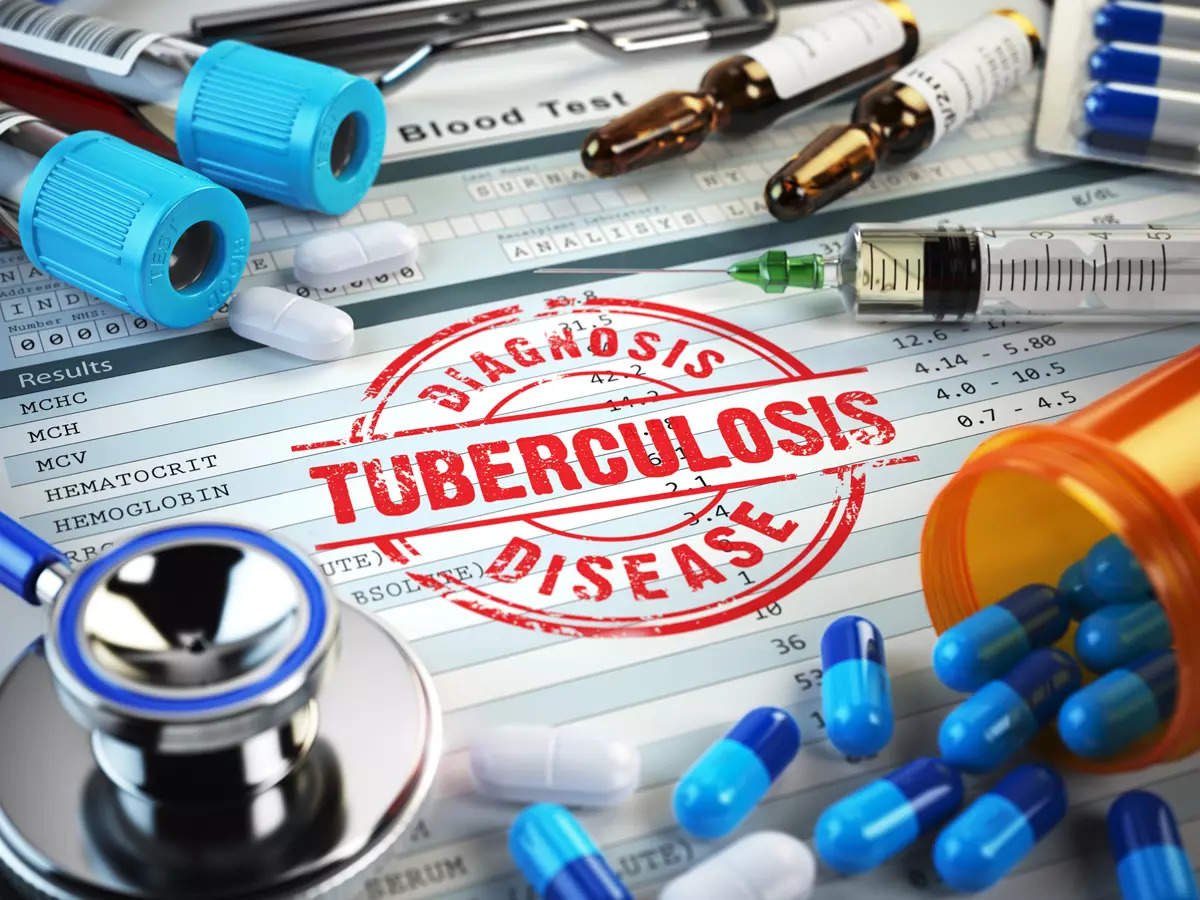
New Delhi, September 07: Under vision of the Hon’ble Prime Minister Narendra Modi’s vision of a TB-free India by 2025, five years ahead of the global target under the Sustainable Development Goals, the Union Ministry of Health & Family Welfare has approved the introduction of the BPaLM regimen. This novel treatment for Multi-Drug-Resistant Tuberculosis (MDR-TB) will implemented under the National Tuberculosis Elimination Program (NTEP) as a highly effective and shorter treatment option.
The Growing Threat of Drug-Resistant TB
Drug-resistant tuberculosis (DR-TB) has emerged as a major global health threat, with India bearing a significant burden. The emergence of multidrug-resistant TB (MDR-TB) and extensively drug-resistant TB (XDR-TB) has made treatment more challenging and expensive.
The current treatment regimens for DR-TB are lengthy, complex, and often have significant side effects. This can lead to poor adherence to treatment and increased risk of treatment failure, contributing to the spread of drug-resistant strains.
TB In India The Need for More Effective Treatment Options
To combat the growing threat of DR- Tuberculosis, there is an urgent need for new and more effective treatment options. These options should be shorter, less toxic, and more accessible to patients.
The World Health Organization (WHO) has identified the development of new DR- Tuberculosis treatments as a global health priority. Several research and development efforts are underway to address this critical need.
The New Treatment Regimen
The Health Ministry of India has recently approved a new treatment regimen for drug-resistant tuberculosis. This regimen is based on the latest scientific evidence and incorporates novel drugs that are more effective against drug-resistant strains.
The new regimen designed to be shorter and less toxic than the current standard of care. It also includes a combination of drugs that can address both drug-resistant and drug-susceptible tuberculosis.
Benefits of the New Regimen
The new treatment regimen offers several potential benefits, including:
1. Shorter treatment duration: The shorter duration of the new regimen can improve patient adherence and reduce the risk of treatment failure.
2. Reduced toxicity: The new drugs are generally less toxic than older drugs, which can improve patients’ quality of life and reduce the risk of side effects.
3. Increased effectiveness: The new regimen designed to be more effective against drug-resistant strains of tuberculosis, which can improve treatment outcomes.
4. Lower cost: The new regimen may be less expensive than the current standard of care, making it more accessible to patients.
TB Challenges and Considerations
Despite the promise of the new treatment regimen, there are several challenges and considerations to addressed:
1. Availability and affordability: Ensuring that the new regimen is widely available and affordable to patients is crucial.
2. Monitoring and evaluation: Close monitoring and evaluation of the new regimen are essential to assess its effectiveness and identify any potential side effects.
3. Drug resistance: There is a risk of the emergence of new drug-resistant strains of tuberculosis, necessitating ongoing research and development of new treatment options.
Read Also – 100 Dangerous Viruses Found in China’s Fur Animals, Nearly 40 Could Infect Humans
The approval of the new treatment regimen for drug-resistant tuberculosis in India is a significant step forward in the fight against this global health threat. However, more work needs to be done to ensure that this regimen is widely available and accessible to patients.











Leave a comment