

New Delhi, 08 May 2024: Every year on May 8, the world observes World Thalassemia Day to raise awareness about a silent but serious genetic blood disorder that continues to impact millions globally. Despite being preventable, thalassemia often goes undetected until it leads to severe complications—especially during pregnancy. In 2025, the spotlight is on the urgent need for genetic screening, particularly for couples planning to conceive.
What Is Thalassemia?
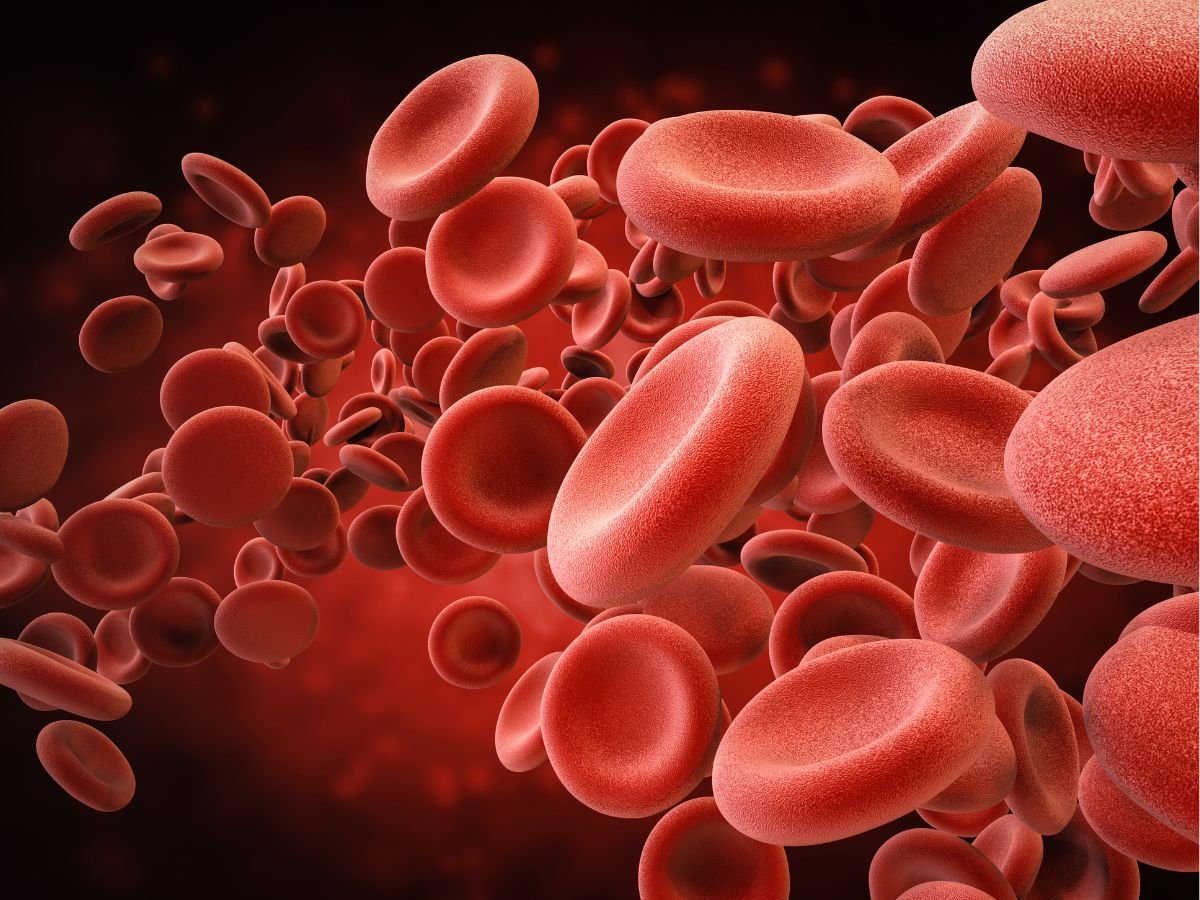
Thalassemia is an inherited blood disorder caused by a genetic mutation that affects the body’s ability to produce hemoglobin, the protein in red blood cells responsible for carrying oxygen. People with thalassemia produce either no or very little hemoglobin, which leads to chronic anemia, fatigue, organ damage, and even heart failure in severe cases.
There are two main types: Alpha Thalassemia and Beta Thalassemia
The severity can range from being a silent carrier with no symptoms to thalassemia major, a life-threatening condition that requires regular blood transfusions and lifelong medical care.
Why Is Thalassemia Screening Important Before Pregnancy?
Thalassemia is a genetic condition, meaning it is passed down from parents to children. If both partners are thalassemia carriers, there’s a 25% chance with every pregnancy that the child will inherit the disease in its most severe form—thalassemia major.
What makes thalassemia so dangerous is that most carriers don’t show any symptoms. Without screening, many couples are unaware they are both carriers until complications arise during pregnancy or after the birth of a severely affected child.
That’s why doctors recommend a thalassemia screening test for all couples, especially in regions like India, Southeast Asia, the Middle East, and the Mediterranean, where carrier rates are higher.
Signs and Symptoms to Watch For
While thalassemia carriers may remain asymptomatic, individuals with moderate to severe forms may show:
- Chronic fatigue and weakness
- Pale or yellowish skin
- Facial bone deformities
- Slow growth in children
- Enlarged spleen
- Dark urine
If you have had unexplained anemia, multiple miscarriages, or a family history of blood disorders, getting tested is essential.
Thalassemia and Pregnancy: The Hidden Danger
Pregnancy places additional demands on a woman’s body, particularly on red blood cell production. If the mother is a thalassemia carrier or has the disorder, there are risks such as:
- Severe anemia
- Preterm labor
- Intrauterine growth restriction (IUGR)
- Miscarriage or stillbirth
Pre-pregnancy screening can help identify these risks early and allow for genetic counseling, proper medical planning, and, if needed, prenatal diagnostic tests to assess the baby’s health.
How Is Thalassemia Diagnosed?
It can be easily diagnosed through a simple blood test called Hemoglobin Electrophoresis or HPLC. Genetic tests can further confirm the carrier status in both partners.
Testing is safe, accessible, and affordable. Most importantly, it offers couples peace of mind and the opportunity to make informed reproductive choices.
On this World Thalassemia Day 2025, let’s break the silence around this inherited disorder. If you’re planning to start a family, thalassemia screening should be a top priority. A simple test can protect your future child from a lifetime of complications and pain.
Don’t wait for a diagnosis after it’s too late. Get tested. Get informed. Save a life.

















Leave a comment