

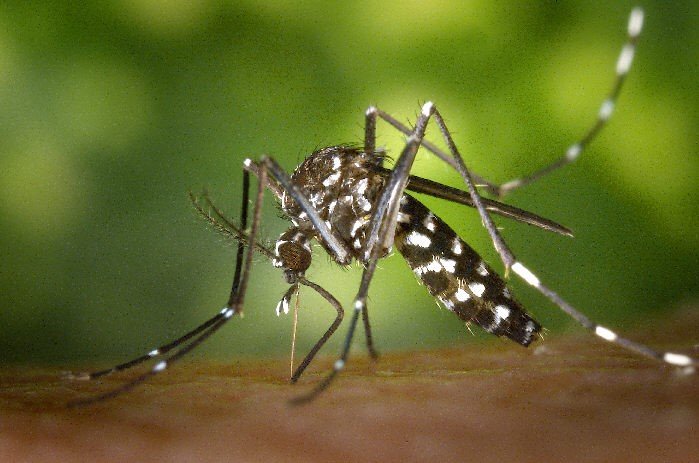
New Delhi: Every year on August 20, World Mosquito Day reminds us of the persistent threat posed by mosquitoes—not just as pests, but as carriers of serious diseases. While most mosquito bites result in minor irritation, there are lesser-known but potentially severe health risks tied to these tiny insects. In recognition of this day, here’s what you need to know — from rare allergic reactions to life-threatening infections and long-term complications.
1. Allergic Reactions: Beyond the Ordinary Itch
While most mosquito bites cause minor redness and itching, a condition known as Skeeter Syndrome involves an exaggerated allergic reaction to mosquito saliva. Symptoms may include:
- Swelling significantly larger than an average bite
- Pain and warmth at the site
- Low-grade fever or even vomiting
These bites can resemble serious skin infections like cellulitis and may last for days or weeks. Though rare, such reactions are more common in individuals with developing or compromised immune systems.
2. Risk of Infection from Scratching
Frequent scratching breaks the skin’s protective barrier, allowing bacterial infections to take hold. You might see pus, increasing redness or warmth—classic signs of infections like cellulitis. If untreated, such infections may spread or require antibiotics to treat.
3. Mosquito-Borne Bloodborne Illnesses
Beyond malaria and dengue, mosquitoes transmit multiple dangerous illnesses:
- Malaria: A serious parasitic infection that produces fever, chills, and can lead to anemia, organ failure, or death if not promptly treated.
- Dengue: Known as “break-bone fever,” it causes intense joint pain, rash, and in severe cases, bleeding and shock.
- Chikungunya: Causes sudden fever and debilitating joint pain that can last for months.
- Zika Virus: Often mild in adults but can cause birth defects like microcephaly if pregnant women are infected.
- West Nile Virus: Most cases are mild, but in rare severe cases, it can lead to brain inflammation.
- Japanese Encephalitis: A brain infection that can cause seizures, coma, or death—often in rural areas. Vaccines exist in high-risk zones.
- Lymphatic Filariasis (Elephantiasis): A parasitic infection that damages lymph vessels and can cause dramatic swelling of limbs or genitals.
- Yellow Fever: A viral disease marked by fever, jaundice, and hemorrhage. Vaccination is available and recommended in high-risk areas.
These illnesses are prevalent globally and pose threats particularly in urban environments and monsoon seasons when mosquito populations surge.
4. Long-Term Complications
Some infections develop lingering or chronic issues:
- Recurrent joint pain can persist after chikungunya.
- Neurological damage or lingering fatigue may follow West Nile Virus or Japanese Encephalitis.
- Disfiguring swelling from lymphatic filariasis may be irreversible once established.
Even mild or asymptomatic infections can result in lasting health challenges for vulnerable individuals.
5. Vulnerable Groups
Certain populations are especially at risk from mosquito-related health issues:
- Children under five, whose immune systems are still developing.
- Pregnant women, particularly vulnerable to malaria and Zika.
- Elderly and immunocompromised individuals.
- Those living in areas with poor sanitation, stagnant water, or disrupted vector control.
- Outdoor workers, travelers to endemic regions, and communities affected by climate change or displacement—where mosquito-borne disease risk is rising.
Mosquito habitat range is expanding due to shifting climate patterns, increasing risk even in areas previously unaffected.
Preventive Measures: Stay Safe on World Mosquito Day
On this day of awareness, here are practical steps to protect yourself and your community:
- Use Effective Repellents
Choose EPA-approved formulas containing DEET, picaridin, or oil of lemon eucalyptus. Regular application can significantly lower bite risk. - Wear Protective Clothing
Opt for long sleeves, long pants, and closed shoes—especially during dawn and dusk when mosquitoes are most active. - Eliminate Breeding Sites
Remove standing water from flowerpots, buckets, gutters, and other stagnant areas to reduce mosquito breeding. - Use Mosquito Nets and Screens
Installing window screens and using bed nets provide extra protection—particularly useful during sleep. - Practice Good Hygiene After Bites
Clean bite sites; apply anti-itch treatments; avoid scratching. If swelling or signs of infection develop, seek medical attention promptly. - Be Alert to Systemic Symptoms
Watch for fever, rash, joint pain, nausea, or breathing difficulties after bites. Early detection is critical; consult a healthcare provider without delay. - Follow Public Health Guidelines
In high-risk regions, participate in mosquito control drives, adopt vaccination strategies (e.g., yellow fever, Japanese encephalitis), and distribute preventive medications.
Summary Table
| Hidden Risk | Key Insight | Recommended Action |
|---|---|---|
| Skeeter Syndrome | Severe allergic reaction to mosquito bites | Seek medical care for intense reactions |
| Bacterial Skin Infection | From scratching open wounds | Clean and treat bites promptly |
| Beyond Rashes: Viral Diseases | Includes dengue, malaria, Zika, etc. | Use repellent and prevent bites |
| Neurological or Chronic Damage | Possible post-infection complications | Early detection and treatment |
| Vulnerable Groups | Children, pregnant women, elderly at risk | Targeted protection and vigilance |
On World Mosquito Day 2025, it’s crucial to recognize that mosquito bites can pose far greater risks than the temporary itch they often cause. From severe allergic reactions and infections to chronic or fatal diseases, the health implications extend well beyond red bumps.
Staying aware, protected, and proactive—especially during peak mosquito seasons—is essential. By employing simple preventive practices and responding quickly to serious symptoms, you can significantly reduce your risk and that of those around you.
















Leave a comment