

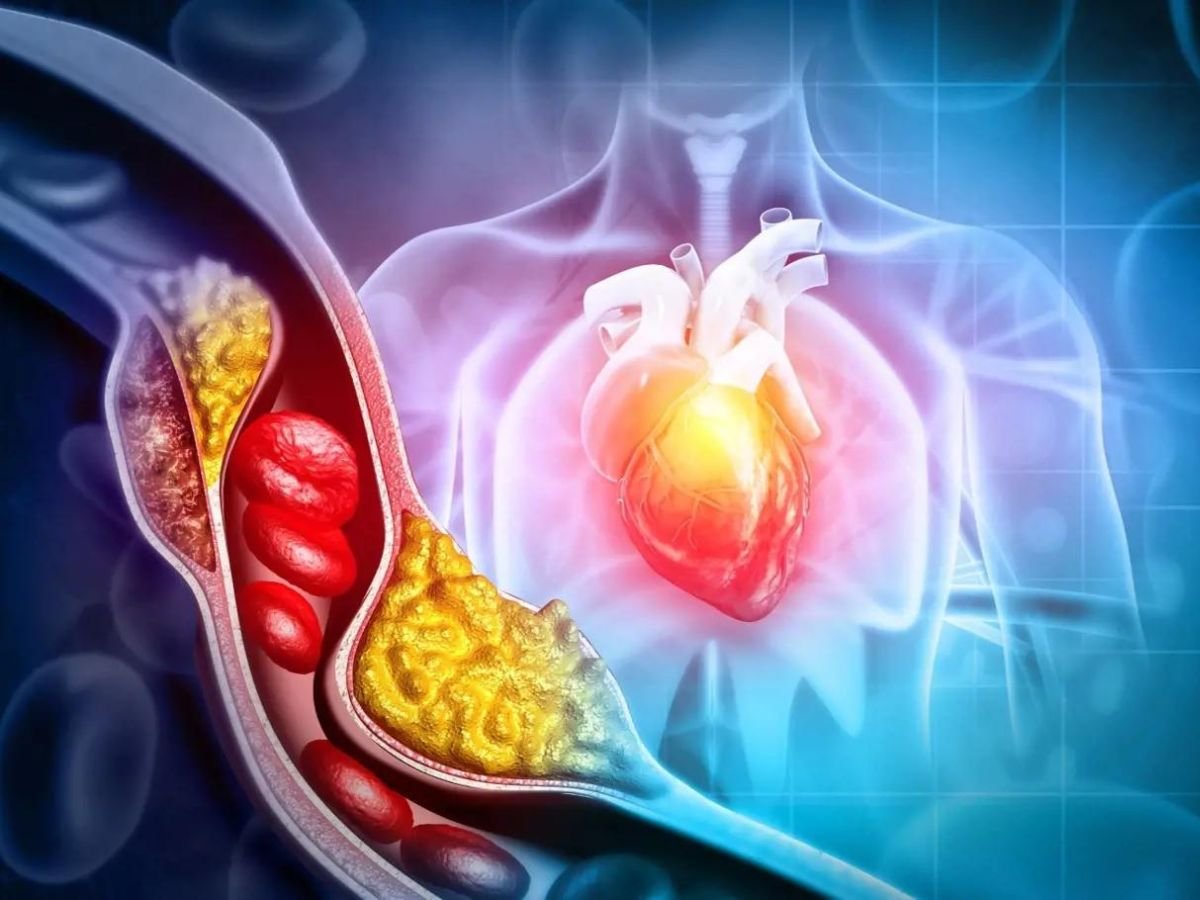
New Delhi, 21 August 2025: High LDL cholesterol, commonly known as “bad cholesterol,” can silently increase your risk of heart disease, stroke, and other artery-related complications. Often referred to as a “silent killer,” it doesn’t always show obvious symptoms. However, subtle changes in your body—particularly in your fingers—might offer early clues. Some rare symptoms such as discomfort, tingling, or changes in the first and fifth fingers (thumb and pinky) may indicate vascular or nerve issues related to high cholesterol.
Let’s explore these signs, their possible connections to high LDL levels, and what actions to take to protect your cardiovascular health.
How High Cholesterol Can Show Up in Your Fingers
LDL cholesterol leads to plaque buildup in your arteries. When these plaques restrict blood flow, your body may send out physical signals—especially in your extremities where circulation is naturally more limited. Though rare, symptoms in the hands and fingers can appear, such as:
- Xanthomas: Small, fatty bumps under the skin or around tendons, including fingers.
- Tingling or Numbness: Especially in the outer fingers, due to poor circulation.
- Discoloration or Cold Sensation: Fingers may feel cold or look pale/blue.
- Muscle Weakness: Reduced grip strength and fatigue in the hands.
These signs often appear when high cholesterol has already started affecting your circulatory system, especially if it has led to peripheral artery disease (PAD).
Specific Finger Symptoms to Watch For
1. Dupuytren’s Contracture
This condition causes the tissue under the skin in the palm and fingers—particularly the fourth and fifth digits—to thicken and tighten. In severe cholesterol disorders, this may occur earlier than expected, affecting grip and hand mobility.
2. Numbness and Tingling
If your fingers often feel like they’re “falling asleep,” especially the pinky and thumb, this might indicate impaired blood supply or nerve compression. These signs, if persistent, should be evaluated for possible vascular involvement.
3. Cold or Discolored Fingers
Fingers that remain cold even in warm environments may not be receiving enough blood. High cholesterol can narrow arteries and reduce circulation to the extremities.
4. Grip Fatigue and Weakness
If holding items or closing your hand becomes more difficult, it could be due to decreased oxygen supply to muscles in the hand.
5. Nail and Skin Changes
Slow-growing nails, discoloration, or brittle texture may be signs of reduced blood flow. In extreme cases, fat deposits can form under the skin around the nails and joints.
Why the First and Fifth Fingers?
The outermost fingers—the thumb and pinky—are more vulnerable to blood flow changes due to their position and the nature of their arterial supply. They may be the first to show signs of restricted circulation if cholesterol levels are abnormally high. Inherited conditions like familial hypercholesterolemia can also contribute to early and unusual symptoms.
Other Physical Signs of High Cholesterol
Finger-related symptoms are only one piece of the puzzle. Here are additional signs that may suggest elevated LDL levels:
- Yellow patches around the eyes
- Gray or white rings around the outer edge of the iris
- Leg cramps or pain when walking
- Sores on feet or legs that take long to heal
- General fatigue, chest discomfort, or shortness of breath
If you experience any combination of these symptoms, especially with a family history of heart disease, seek a medical evaluation immediately.
What To Do If You Notice These Symptoms
If you detect unusual symptoms in your hands or elsewhere that might be linked to cholesterol:
1. Get a Lipid Profile Test
This simple blood test measures LDL, HDL, total cholesterol, and triglycerides. Early detection can help prevent serious complications.
2. Physical Examination
A doctor may check your hands for signs like xanthomas, thickening, or loss of function, and determine if further tests are necessary.
3. Review Family History
If you have a family history of cholesterol problems or heart disease, you may be genetically predisposed to high LDL, which requires early intervention.
4. Make Lifestyle Changes
- Adopt a heart-healthy diet: rich in fiber, fruits, vegetables, and healthy fats.
- Reduce intake of saturated and trans fats.
- Exercise regularly, at least 30 minutes most days of the week.
- Maintain a healthy weight and avoid smoking.
5. Medication (If Needed)
If lifestyle changes aren’t enough, your doctor might prescribe medications such as statins to lower your LDL levels. In rare cases of extremely high cholesterol, more advanced therapies may be necessary.
Prevention and Long-Term Management
High cholesterol is manageable. Regular checkups, a balanced diet, and physical activity can keep your LDL levels within a healthy range. Even if you don’t experience visible symptoms, routine testing is essential—especially after the age of 30 or if there’s a family history of heart disease.
If finger-related symptoms appear, don’t ignore them. While they might seem minor or unrelated, they could be your body’s early signal that something more serious is happening beneath the surface.
Quick Recap: When to See a Doctor
You should consult a healthcare provider if you notice:
- Persistent coldness, tingling, or numbness in your fingers
- Tightening or stiffness in the pinky and ring finger
- Changes in nail color or strength
- Yellowish patches or bumps under the skin
- Fatigue during hand-intensive tasks
These signs, especially when paired with known risk factors, may indicate a need for cholesterol evaluation and cardiovascular assessment.
High cholesterol is often symptomless until it’s too late. However, certain subtle clues—like changes in your fingers—can serve as early warning signs. If your first or fifth fingers feel weak, cold, or numb, don’t ignore it. Your body may be signaling poor circulation related to elevated LDL cholesterol. Taking proactive steps—starting with a simple blood test—can make a huge difference in preventing serious heart and artery diseases.
Staying informed, staying observant, and staying healthy is the best way forward.
















Leave a comment