

By Saima Wazed, WHO Regional Director for South-East Asia
World Environment Day is celebrated annually on June 5th, after it was established at the Stockholm Conference on the Human Environment in 1972.
Led by the United Nations Environment Programme, it is the largest global platform for public outreach to raise awareness and taking action on urgent environmental issues – the planet’s most-pressing environmental problems.
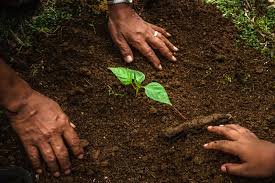
This year, World Environment Day (WED) 2024 focuses on land restoration, halting desertification and building drought resilience under the slogan “Our land. Our future. We are #GenerationRestoration.”
Environmental degradation directly impacts human health. Air pollution, water contamination, and climate change contribute to a range of public health problems. WED is not just for those working in the environment sectors – it is a call to action for everyone, including all of us working in public health.
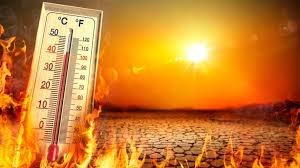
The worrying reality is that our Region records the highest number of deaths from climate change annually amongst all WHO regions. Climate change and biodiversity loss already pose major threats to health, the regional economy and livelihoods across our Region.
On WED 2024, we call for everyone to recognize the integral role of the health sector in environmental conservation and climate action. In doing so, we must strengthen collaboration between the health and environment sectors to address shared challenges. It is imperative we advocate for policies that prioritize environmental sustainability and public health, and invest in research and innovation to develop sustainable healthcare practices.
We have prioritized mitigating the impacts of air pollution and hazardous chemicals, building healthcare facilities resilience to climate change, and strengthening the focus on clean and adequate water for drinking, basic sanitation, and hygiene.
The ‘SEA Regional Plan of Action for the WHO Global Strategy on Health, Environment and Climate Change 2020–2030: Healthy Environments for Healthier Population’ clearly outlines various action points of environmental determinants of health for implementation at regional and country level.
Practical and innovative ways for the health sector to engage in land restoration, desertification, and drought resilience include:
Integrating health impact assessments into land use planning processes. This can involve assessing the potential health impacts of proposed projects on air and water quality, food security, and exposure to hazards such as drought and desertification.
Implementing green building practices and sustainable infrastructure in healthcare facilities, to reduce their environmental footprint and contribute to land restoration efforts. This can include incorporating green spaces into hospital designs to promote healing and well-being.
Community-based health promotion, to empower communities taking ownership of land restoration and conservation initiatives through participatory health promotion programs.
Build climate-resilient healthcare systems, to better withstand the impacts of climate change, including droughts and desertification. Train healthcare workers in climate adaptation and emergency response strategies.
This World Environment Day, I urge our public health community to join the efforts towards land restoration, halting desertification and building drought resilience. Let us not forget that this is our land, and our future. We are #GenerationRestoration.















Leave a comment