

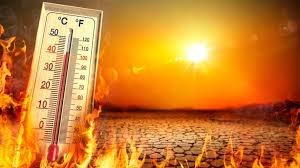
Beyond the fluctuations of the seasons, climate change is an increasingly serious and dark reality. Not only is the recent heat wave that has consumed North India temporary, but it also serves as a sobering reminder of how urgently we must address the climate crisis that threatens our planet. In the midst of the scorching heat and shimmering mirages on this World Environment Day, let’s set out to investigate the cutting-edge tactics required to lessen the effects of climate change before it’s too late and to piece together the intricate web of variables causing these extreme weather events.
The recent extreme heat waves in North India could be attributed to several factors, including climate change. Here’s how climate change can exacerbate extreme heat events:
1. Rising Temperatures: Climate change has led to a general increase in global temperatures. This warming trend can intensify heat waves, making them more frequent, longer-lasting, and more severe.
2. Changing Weather Patterns: Climate change can alter atmospheric circulation patterns, leading to shifts in weather systems. heat waves in India, changes in the monsoon patterns, such as delayed onset or reduced rainfall, can contribute to prolonged periods of hot and dry weather.
3. Urbanization and Heat Island Effect: Rapid urbanization in cities like Delhi can exacerbate heatwaves through the urban heat island effect. Urban areas tend to absorb and retain more heat than rural areas, leading to higher temperatures, especially during heatwaves.
4. Air Pollution: High levels of air pollution, particularly from vehicular emissions and industrial activities, can worsen heatwaves by trapping heat in the atmosphere. Polluted air also reduces visibility and contributes to health problems during hot weather.
5. Deforestation and Land Use Change: Changes in land use, such as deforestation and urban expansion, can alter local climate patterns and exacerbate heatwaves. Reduced vegetation cover can lead to less evapotranspiration, resulting in higher temperatures and decreased moisture in the atmosphere.
6. Melting Himalayan Glaciers: The Himalayan region plays a crucial role in regulating the climate of North India. The melting of glaciers due to global warming can affect regional weather patterns, including temperature extremes and changes in precipitation patterns.
7. Feedback Loops: Climate change can trigger feedback loops that further amplify temperature extremes. For example, melting Arctic ice reduces the planet’s overall albedo, leading to increased absorption of solar radiation and higher temperatures. On World Environment Day, it’s essential to raise awareness about the interconnectedness of climate change and extreme weather events and advocate for mitigation strategies to reduce greenhouse gas emissions and adapt to changing climate conditions. This includes transitioning to renewable energy sources, promoting sustainable land-use practices, improving urban planning to reduce heat island effects, and implementing policies to reduce air pollution.
















Leave a comment