

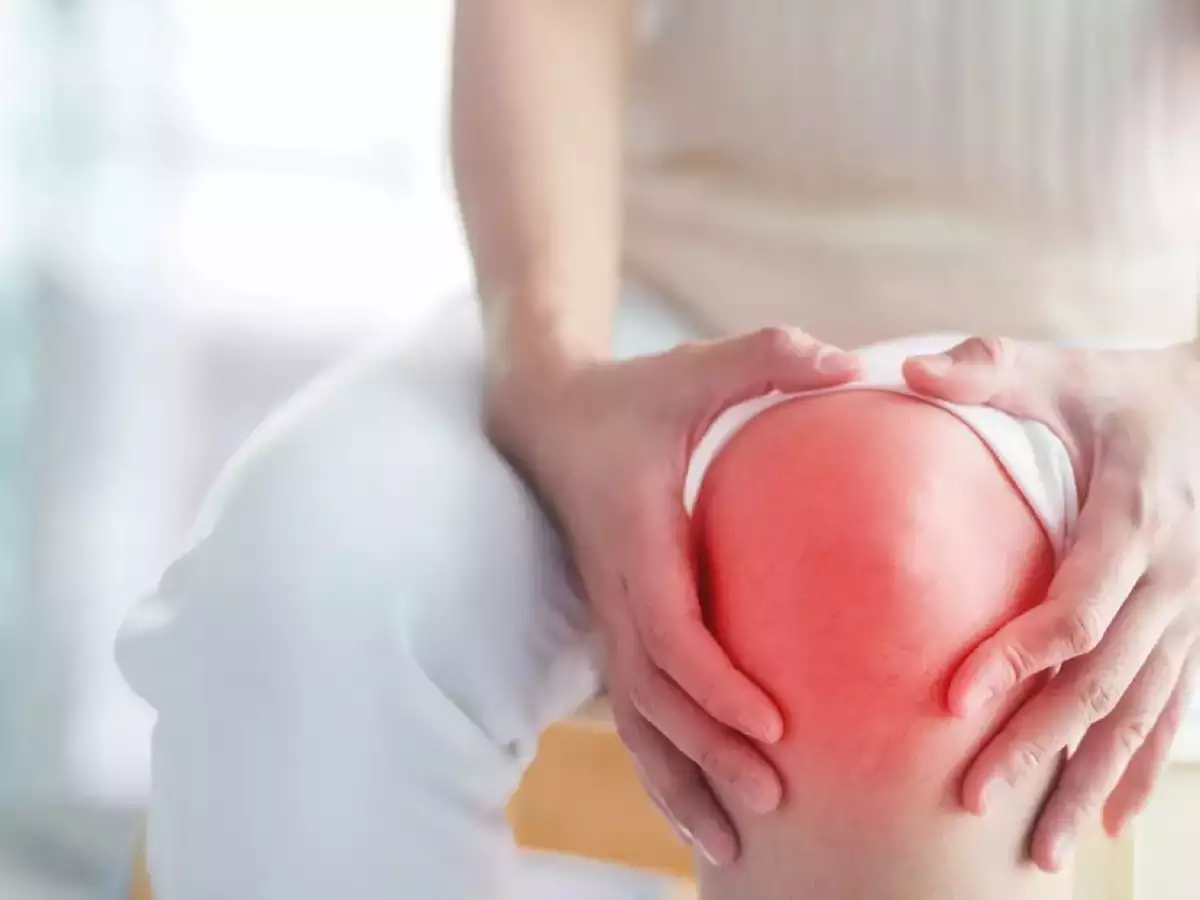
New Delhi, 11 October, 2025: Every year on World Arthritis Day, observed on October 12, the world comes together to raise awareness about arthritis — a chronic condition that affects millions globally. While arthritis can affect anyone, research has consistently shown that women are at a significantly higher risk than men.
In fact, conditions like rheumatoid arthritis (RA) and osteoarthritis are far more common in women. Women are also more likely to develop severe symptoms, experience functional limitations, and face delayed diagnosis due to misinterpreted symptoms or societal stigma.
Understanding why women are more vulnerable and how to protect joint health is crucial — not just for those living with arthritis but also for early prevention.
What Is Arthritis?
Arthritis is a general term for more than 100 conditions that affect the joints. The two most common forms are:
- osteoarthritis (OA) – caused by wear and tear of cartilage.
- rheumatoid arthritis (RA) – an autoimmune condition in which the immune system attacks healthy joint tissue.
Other forms, such as psoriatic arthritis, gout, and juvenile arthritis, also impact millions worldwide. Symptoms often include pain, stiffness, swelling, reduced range of motion, and fatigue.
Women and Arthritis: The Numbers Tell the Story
Studies show that:
- Nearly two-thirds of people with arthritis are women.
- RA is three times more common in women than in men.
- Women are more likely to experience arthritis earlier in life and have more severe symptoms.
- Hormonal changes during pregnancy and menopause can influence the onset and progression of arthritis.
These statistics make it clear that arthritis is not just a health concern — it’s a gendered health issue that demands targeted awareness and preventive strategies.
Why Women Are at Higher Risk of Arthritis
1. Hormonal Factors
One of the strongest links between arthritis and gender is hormonal changes.
- Estrogen, a key female hormone, plays a protective role in maintaining joint and bone health.
- Drops in estrogen levels — particularly after menopause — are associated with increased inflammation and cartilage degeneration.
- Some women report their arthritis symptoms worsening during menstrual cycles or after childbirth, further highlighting the hormonal connection.
2. Genetic Susceptibility
Women may inherit genes that make them more vulnerable to autoimmune diseases like RA. Family history plays a crucial role, and autoimmune conditions are generally more prevalent among women.
3. Anatomical Differences
Women’s joints are structurally different from men’s. They tend to have:
- Wider hips, which affect joint alignment and can lead to increased stress on the knees.
- Less muscle mass, which can reduce joint support and stability.
- More flexible ligaments, which, while beneficial for mobility, can increase wear and tear over time.
These structural differences can make women more prone to injuries and degeneration in weight-bearing joints like the knees and hips.
4. Autoimmune Disorders Are More Common in Women
Many autoimmune conditions — including RA, lupus, and Hashimoto’s thyroiditis — disproportionately affect women. Since RA is an autoimmune disease, this contributes significantly to the gender gap in arthritis prevalence.
5. Lifestyle and Societal Factors
Women often juggle multiple roles, balancing work, household chores, and caregiving responsibilities. This can lead to:
- Repetitive strain on joints
- Delayed medical consultations
- Higher stress levels, which can exacerbate inflammation
Additionally, women may underreport pain or dismiss symptoms, assuming they are due to aging or fatigue.
Early Warning Signs Women Should Watch For
Because early diagnosis is critical, women should be alert to symptoms such as:
- Persistent joint pain lasting more than two weeks
- Morning stiffness that improves during the day
- Swelling or warmth in the joints
- Difficulty performing daily activities (like climbing stairs or gripping objects)
- Fatigue and low-grade fevers (common in RA)
If these symptoms occur, seeking medical advice promptly can help slow disease progression and preserve joint function.
How Women Can Protect Their Joints
While some risk factors like genetics can’t be changed, there are effective ways to protect your joints and reduce the risk of arthritis or slow its progression.
1. Maintain a Healthy Weight
Every extra kilogram puts additional stress on weight-bearing joints, especially the knees and hips.
- Losing even 5–10% of body weight can significantly reduce arthritis pain and slow damage.
- A balanced diet rich in anti-inflammatory foods supports joint health.
2. Exercise Regularly — But Smartly
Contrary to popular belief, exercise helps, not harms, arthritic joints. Low-impact activities like walking, swimming, cycling, and yoga:
- Strengthen muscles around joints
- Improve flexibility and mobility
- Reduce stiffness and pain
Strength training is particularly important for women, as it builds muscle support around the joints and improves bone density, which is vital after menopause.
3. Eat an Anti-Inflammatory Diet
Diet plays a key role in inflammation control. Experts recommend:
- Foods rich in omega-3 fatty acids (salmon, flaxseeds, walnuts)
- Green leafy vegetables and colorful fruits
- Whole grains, nuts, seeds, and turmeric
- Limiting processed foods, sugar, and saturated fats
This approach can reduce systemic inflammation and support joint function.
4. Protect Your Joints in Daily Life
- Avoid repetitive movements that strain joints.
- Use supportive footwear.
- Maintain good posture while sitting or lifting.
- Incorporate short breaks during long periods of work or household chores.
5. Manage Hormonal Changes
For women approaching menopause or experiencing hormonal fluctuations, regular check-ups and discussions with healthcare providers are key. Hormonal therapy may not be suitable for everyone, but personalized plans can help manage joint health during this phase.
6. Don’t Ignore Pain
Women often dismiss pain or prioritize family responsibilities over personal health. But early intervention can prevent irreversible damage. If pain persists, seek medical advice promptly.
Treatment Options for Arthritis in Women
Thanks to medical advancements, women have multiple options to manage arthritis effectively:
- Medications: NSAIDs, corticosteroids, and disease-modifying drugs can reduce inflammation and slow progression.
- Physical therapy: Helps improve strength, flexibility, and mobility.
- Joint injections: Hyaluronic acid or PRP injections can offer pain relief.
- Surgical interventions: Joint replacement or repair may be considered in severe cases.
A tailored approach that considers hormonal and lifestyle factors tends to work best for women.
The Mental Health Side of Arthritis
Arthritis isn’t just a physical condition — it can have a profound emotional impact, particularly on women balancing multiple responsibilities.
- Chronic pain can lead to frustration, anxiety, or depression.
- Fatigue can reduce productivity and self-esteem.
- Social stigma may prevent women from discussing their symptoms.
Seeking emotional support, joining arthritis communities, and practicing stress-reduction techniques like mindfulness and meditation can make a meaningful difference.
Why Early Awareness Matters
Because arthritis progresses silently in its early stages, many women only seek help when the damage has already set in. This is why awareness campaigns around World Arthritis Day 2025 focus on:
- Early symptom recognition
- Routine check-ups
- Lifestyle modifications for prevention
- Dispelling myths around arthritis being “just old age”
The earlier arthritis is diagnosed and managed, the better the outcomes.
Arthritis affects millions of women globally, but it doesn’t have to define their lives. By understanding the unique risk factors women face — from hormonal shifts to anatomical differences — and adopting preventive lifestyle strategies, it’s possible to protect joint health and maintain mobility well into later years.
On World Arthritis Day 2025, let’s empower women with knowledge, early action, and joint care strategies to lead pain-free, active, and fulfilling lives.
















Leave a comment