

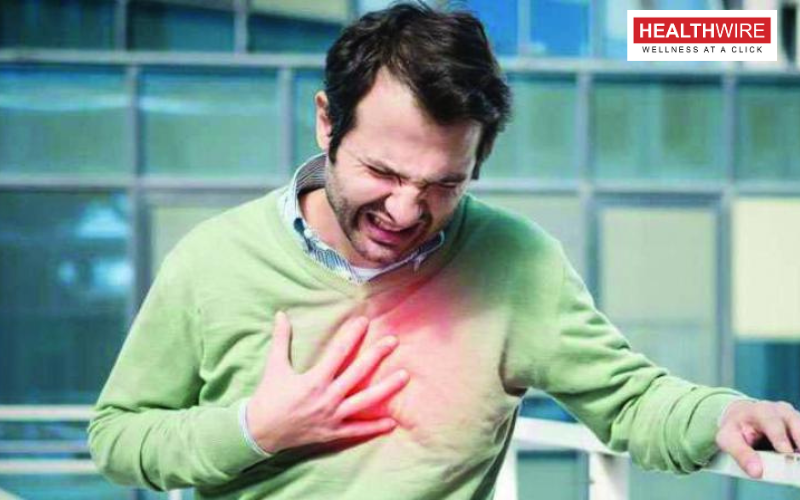
New Delhi, 11 October, 2025: Heart attacks are often perceived as sudden, unpredictable events — a sharp chest pain, a moment of panic, and a rush to the hospital. But in reality, they are usually the culmination of years of silent damage caused by habits we may not even consider harmful. Cardiologists worldwide are increasingly warning that heart attacks aren’t just linked to old age or genetic factors anymore — they’re often triggered by daily lifestyle choices we tend to overlook.
A heart attack occurs when blood flow to a part of the heart muscle is blocked, often due to plaque buildup in the arteries. What makes heart disease particularly dangerous is its silent nature: symptoms can be mild, vague, or even absent — especially in younger individuals. Here are 10 everyday habits that can quietly raise your risk of a heart attack over time.
1. Sitting for Long Hours Without Movement
Modern lifestyles have made us more sedentary than ever. Whether it’s sitting at a desk job, working on a laptop, or binge-watching shows, prolonged sitting reduces blood circulation and raises cholesterol and blood sugar levels, creating the perfect environment for heart disease to develop.
Why it matters: When your muscles are inactive for too long, the body’s ability to regulate blood pressure and blood sugar declines, increasing plaque formation in the arteries.
Expert tip: Get up and walk for at least 5 minutes every hour, use a standing desk if possible, and aim for at least 30 minutes of moderate physical activity daily.
2. Skipping Breakfast or Eating at Irregular Hours
Your heart functions best when your metabolism is stable. Skipping meals, particularly breakfast, can cause spikes and dips in blood sugar levels, increasing stress hormones like cortisol. Over time, this contributes to insulin resistance, high cholesterol, and elevated blood pressure, all of which increase heart attack risk.
Why it matters: Irregular eating patterns disrupt the body’s natural rhythms and may also promote weight gain and inflammation.
Expert tip: Prioritize a balanced breakfast rich in protein, healthy fats, and fiber, and try to eat your meals at consistent times each day.
3. Consuming Too Much Sugar and Processed Foods
Sugar may not taste like poison, but its effect on your cardiovascular system can be devastating. Regular consumption of sugary drinks, ultra-processed snacks, and refined carbs raises triglyceride levels, promotes belly fat, and increases inflammation — all key contributors to heart disease.
Why it matters: Excess sugar can damage blood vessels, accelerate plaque buildup, and strain the heart over time.
Expert tip: Replace sugary beverages with water or herbal teas, choose whole grains over refined carbs, and limit packaged foods to occasional treats.
4. Chronic Sleep Deprivation
Many people underestimate the role of sleep in heart health. Getting less than 6 hours of quality sleep per night can raise your blood pressure, increase stress hormones, and impair the body’s ability to repair blood vessels.
Why it matters: Poor sleep is linked to higher risks of obesity, diabetes, and hypertension — major risk factors for heart attacks.
Expert tip: Maintain a regular sleep schedule, avoid screens before bed, and aim for 7–8 hours of uninterrupted sleep each night.
5. Ignoring Stress or Bottling It Up
Stress isn’t just a mental burden — it’s a physiological trigger that can elevate your heart rate, increase blood pressure, and lead to inflammation. Chronic unmanaged stress has been shown to accelerate arterial plaque buildup and increase the likelihood of heart attacks.
Why it matters: High levels of stress hormones like adrenaline and cortisol can make the heart work harder and wear down blood vessels over time.
Expert tip: Incorporate stress-management techniques like deep breathing, yoga, walking, journaling, or talking to someone you trust.
6. Overuse of Alcohol or Regular Binge Drinking
While moderate alcohol consumption may not always be harmful, regular overconsumption or binge drinking can severely damage the heart. It raises blood pressure, weakens the heart muscle, and can trigger irregular heart rhythms.
Why it matters: Alcohol also contributes to weight gain, liver problems, and poor sleep, all of which increase cardiovascular strain.
Expert tip: If you drink, keep it moderate — ideally no more than one drink a day for women and two for men. Better yet, give your body alcohol-free days every week.
7. Neglecting Oral Hygiene
This might come as a surprise, but oral health and heart health are closely linked. Bacteria from gum disease can enter the bloodstream, causing inflammation and narrowing of arteries, which increases the risk of heart attack and stroke.
Why it matters: Chronic gum inflammation can act as a silent stressor on the cardiovascular system.
Expert tip: Brush and floss daily, schedule regular dental checkups, and treat gum issues early.
8. Not Managing Weight — Especially Belly Fat
Excess belly fat is more dangerous than general weight gain because it indicates visceral fat, which wraps around internal organs and increases inflammation and insulin resistance. Even people who appear “fit” can have hidden visceral fat that raises heart risk.
Why it matters: Belly fat is strongly linked to coronary artery disease, hypertension, and diabetes — all contributors to heart attacks.
Expert tip: Aim for a balanced diet, regular exercise, and focus on waist circumference, not just weight. For most adults, a waist size over 35 inches (women) or 40 inches (men) signals higher risk.
9. Over-Reliance on Painkillers and OTC Medications
Regular use of certain nonsteroidal anti-inflammatory drugs (NSAIDs) without medical supervision can increase blood pressure and raise the risk of heart problems. Many people take these medications daily for headaches, back pain, or joint pain without realizing the cardiovascular consequences.
Why it matters: Long-term or excessive use of NSAIDs can strain the heart and kidneys, raising heart attack risk.
Expert tip: Consult your doctor before prolonged use of painkillers and explore safer pain management options.
10. Dismissing Subtle Symptoms
Perhaps the most dangerous habit of all is ignoring warning signs. Many people overlook symptoms like mild chest discomfort, shortness of breath, fatigue, heartburn, or pain in the jaw or back. In many cases, these are early signs of a heart attack.
Why it matters: Early intervention can save lives. Silent or “minor” heart attacks often go undiagnosed but can cause lasting heart damage.
Expert tip: Listen to your body. If you experience persistent discomfort, don’t self-diagnose. Seek medical attention immediately.
The Bigger Picture: Prevention Over Cure
Cardiologists emphasize that around 80% of heart attacks are preventable through lifestyle modifications. It’s not one major incident but a series of small daily choices — what you eat, how you move, how you handle stress — that determine your long-term heart health.
Preventing a heart attack doesn’t necessarily mean living an extreme lifestyle. It’s about consistent, sustainable habits that support your cardiovascular system. Regular exercise, a balanced diet, good sleep, stress management, and routine health checkups can go a long way in protecting your heart.
When to Seek Immediate Help
Call emergency services immediately if you experience any of the following symptoms:
- Chest pain or discomfort lasting more than a few minutes
- Pain radiating to the arm, neck, jaw, or back
- Shortness of breath, dizziness, or fainting
- Unexplained sweating or nausea
Remember, early medical intervention saves lives.

















Leave a comment