


New Delhi, 11 October, 2025: High blood pressure — or hypertension — is often called the “silent killer” because it quietly damages your body for years before symptoms become noticeable. Many people live with elevated blood pressure without realizing the long-term impact it can have on the heart, brain, and kidneys.
Unchecked, this condition doesn’t just increase the risk of heart disease; it can gradually damage vital organs and lead to life-threatening complications like heart attack, stroke, and kidney failure.
How High Blood Pressure Affects the Heart
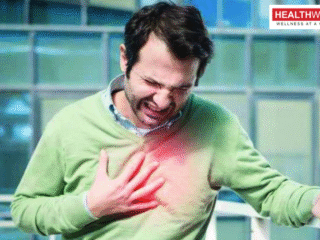
Your heart is one of the first organs to feel the impact of uncontrolled hypertension. Every heartbeat pumps blood through your arteries. When the pressure is consistently high, your heart has to work harder to circulate blood — much like trying to push water through a narrow hose.
1. Thickening of the Heart Walls (Left Ventricular Hypertrophy)
Over time, this extra workload causes the heart muscle to thicken. While this may sound like a sign of strength, it actually reduces the heart’s ability to pump efficiently. A thickened heart can stiffen, making it harder to fill and pump blood properly, eventually leading to heart failure.
2. Coronary Artery Disease
High blood pressure accelerates the build-up of plaque in the arteries — a condition known as atherosclerosis. This narrows the arteries, restricting blood flow to the heart and increasing the risk of coronary artery disease, chest pain (angina), and heart attack.
3. Irregular Heartbeat and Heart Failure
The constant strain on the heart can lead to arrhythmias (irregular heartbeats) and eventually heart failure, where the heart can’t pump enough blood to meet the body’s needs. According to the World Health Organization, hypertension is one of the leading causes of heart disease globally.
Warning signs to watch for:
- Chest tightness or pain
- Shortness of breath during routine activities
- Fatigue and swelling in the legs
- Rapid or irregular heartbeat
How High Blood Pressure Damages the Brain
The brain depends on a steady supply of oxygen-rich blood. High blood pressure can damage or narrow brain arteries, disrupting this supply and increasing the risk of serious neurological conditions.
1. Increased Risk of Stroke
Hypertension is the number one preventable cause of stroke. It can:
- Weaken arteries, making them more likely to rupture and cause a hemorrhagic stroke.
- Promote blood clots, which can block blood flow to parts of the brain, leading to an ischemic stroke.
Both types can cause long-term disability or death if not treated quickly.
2. Cognitive Decline and Dementia
Even before a stroke occurs, chronic high BP can damage small blood vessels in the brain. This can reduce oxygen supply, leading to vascular dementia and cognitive decline. Studies show that people with uncontrolled hypertension are at a significantly higher risk of memory loss, confusion, and slower processing speed as they age.
3. Transient Ischemic Attacks (Mini-Strokes)
High blood pressure can also trigger transient ischemic attack (TIA) — temporary disruptions of blood flow to the brain. While symptoms may disappear in minutes, TIAs are warning signs of a potential major stroke.
Warning signs to watch for:
- Sudden numbness or weakness on one side of the body
- Blurred or double vision
- Difficulty speaking or understanding speech
- Sudden severe headache
How High Blood Pressure Damages the Kidneys
Your kidneys filter waste and excess fluid from the blood — a process that depends on healthy blood vessels. When blood pressure is too high, it damages the arteries around the kidneys, making it harder for them to function properly.
1. Narrowing of Kidney Blood Vessels
Over time, hypertension narrows and hardens kidney arteries, reducing blood flow to these vital organs. This can impair their filtering ability and cause toxins to build up in the body.
2. Chronic Kidney Disease (CKD)
High BP is one of the leading causes of chronic kidney disease (CKD). The damage happens slowly and silently, often without noticeable symptoms until the disease has progressed significantly.
3. Kidney Failure
If left untreated, high blood pressure can lead to kidney failure, requiring dialysis or a kidney transplant. People with both hypertension and diabetes mellitus are at particularly high risk.
Warning signs to watch for:
- Swelling in ankles, feet, or hands
- Fatigue and weakness
- Changes in urination (especially foamy urine or decreased output)
- Unexplained shortness of breath
Why These Damages Happen Gradually
The biggest danger of hypertension is its slow and silent progression. Unlike some diseases, it rarely causes pain or obvious symptoms early on. The high pressure slowly wears down blood vessels and organs — sometimes over years or decades.
This means many people don’t realize the damage until a major event occurs, like a heart attack, stroke, or kidney failure. That’s why regular monitoring and early lifestyle interventions are crucial.
Preventing and Managing High Blood Pressure
While the long-term effects of hypertension can be serious, the good news is: it’s manageable and preventable in most cases. Lifestyle changes and medical treatment can drastically reduce risks.
1. Monitor Your Blood Pressure Regularly
- Get your BP checked at least once a year.
- If diagnosed with hypertension, track it at home using a reliable monitor.
2. Eat a Heart-Healthy Diet
- Reduce sodium (salt) intake.
- Eat more fruits, vegetables, whole grains, and lean proteins.
- Follow the DASH diet (Dietary Approaches to Stop Hypertension), which is proven to lower BP.
3. Exercise Regularly
- Aim for at least 30 minutes of moderate activity (like brisk walking) most days of the week.
- Physical activity helps maintain healthy arteries and lower stress levels.
4. Limit Alcohol and Quit Smoking
- Excessive alcohol raises BP, and smoking damages blood vessels.
- Quitting both can reduce cardiovascular risk significantly.
5. Take Medications as Prescribed
- If lifestyle changes alone aren’t enough, your doctor may recommend antihypertensive medication.
- Never skip doses — even if you feel fine.
6. Manage Stress
- Chronic stress can spike blood pressure.
- Techniques like meditation, deep breathing, and yoga can help keep it under control.
When to See a Doctor
You should seek medical attention if your blood pressure readings consistently remain at or above 130/80 mm Hg, or if you experience:
- Chest pain
- Sudden vision problems
- Shortness of breath
- Severe headaches or dizziness
Remember, early detection and intervention can prevent irreversible organ damage.
A Global Health Priority
Hypertension affects over 1.2 billion people worldwide, according to the World Health Organization, and nearly half of them don’t even know they have it. By understanding how high BP silently damages your heart, brain, and kidneys, you can take steps to protect your health before it’s too late.
Final Thoughts
High blood pressure isn’t just a number on a monitor — it’s a long-term threat to your most vital organs. Heart failure, stroke, dementia, and kidney disease are often the result of years of unnoticed damage.
The key to prevention lies in awareness, regular check-ups, and early action. A healthier diet, active lifestyle, and proper treatment can keep your BP in check — and your organs protected for years to come.
















Leave a comment