

For years, scientists have observed that men and women experience pain differently. From migraines and arthritis to post-surgical recovery, women often report more intense or longer-lasting pain than men. While hormones such as estrogen and testosterone have traditionally been blamed for these differences, emerging research suggests that the immune system may play a much bigger role than previously thought.
Understanding these biological distinctions is not just about curiosity — it could change how doctors treat chronic pain, prescribe medications, and design therapies in the future.
The Connection Between The Immune System And Pain
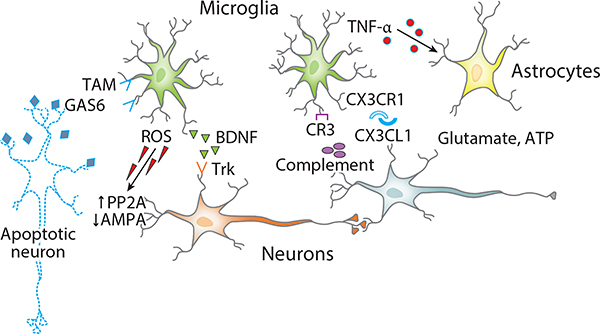
The immune system has long been credited with protecting the body in relation to infections and diseases. It is also important in inflammation and tissue repair as important components in pain and healing. Cytokines are chemical signals released by immune cells when the body becomes injured. These signals help in the activation of inflammation that guards the injured region and activates healing.
Inflammation Increases Sensitivity
Inflammation has the ability to increase the sensitivity of pain. When immune activity is hyper or chronic, it can be a cause of chronic pain. Scholars are currently finding out that the reactions of men and women to injury may differ in terms of the activation of different immune mechanisms, which results in the difference between pain and recovery.
Source: NIH
Immune Response Differences Biologically
It has been observed that women tend to produce stronger immune responses as compared to men. Although this can provide an enhanced level of protection against some infections, it can also predispose to autoimmune diseases and chronic inflammatory diseases. Greater immune responses can enhance the intensity of transmitted pain increasing the chances of women developing chronic pain following trauma.
Men Dependency On Other Types Of Immune Cells
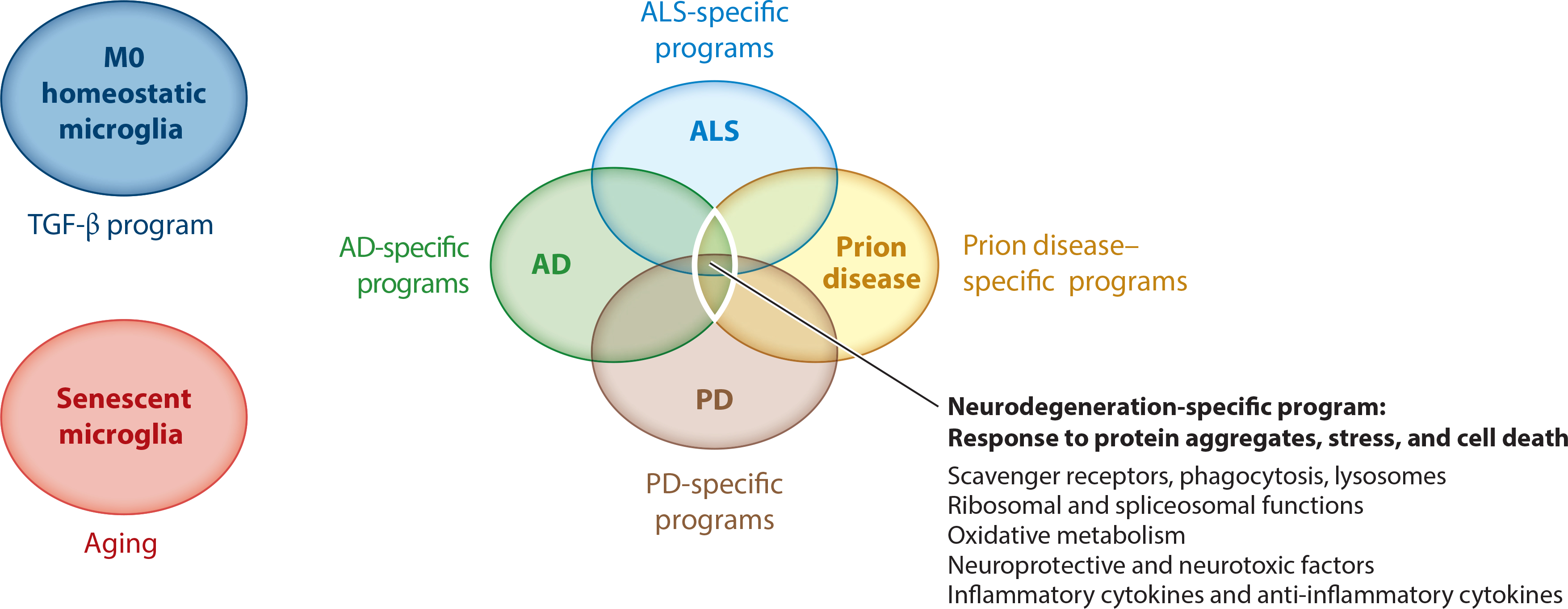
Men however, can be more dependent on other types of immune cells so as to curb inflammation.The National Institute Of Health says,”They are responsible for the elimination of microbes, dead cells, redundant synapses, protein aggregates, and other particulate and soluble antigens that may endanger the CNS. Furthermore, as the primary source of proinflammatory cytokines, microglia are pivotal mediators of neuroinflammation and can induce or modulate a broad spectrum of cellular responses” It indicates that male immune reactions may make use of microglia which are the specialized immune cells of the nervous system, whereas female reliance may be through the T cells. Such differences may affect the process of pain signals in the brain and spinal cord.
Source: NIH
Immune Activity Determined By Hormones
The immune activity is further determined by hormones like estrogen and testosterone. On the one hand, estrogen may boost immune activities, whereas on the other hand, testosterone tends to suppress immune activity. These hormonal effects can be used to explain why men and women might have different immune mechanisms of pain.
Pain Chronicity And Gender Differences
Women have a higher burden of chronic pain disorders such as fibromyalgia, migraine and rheumatoid arthritis. The differences in the immune system that cause these conditions would be better understood and more precise treatment would be developed. The personalised medicine approaches in the future can consider gender specific immune pathways in the development of pain management approaches.
Anti Inflammatory Drug Effects
Anti-inflammatory drugs could have varying effects when a patient is experiencing pain mediated by the microglial or T-cell responses. The acknowledgement of such biological differences would enhance the effectiveness of recovery and lessen the use of generalised treatment.
Future Research Treatment Implications
The fact that the differences in the immune systems can influence the way men and women experience pain recovery has a huge implication on medical research. In the past, differences were not properly considered in numerous clinical studies.
Nowadays, researchers are beginning to appreciate the need to have both sexes represented in the study of pain so as to get a clearer picture regarding these biological differences. Having determined the differences in immune reactions between the genders, the healthcare professionals will be able to shift in the direction of a more individualised and accurate pain management strategy.
Overall, the immune system is associated with pain recovery, and the relationship between the two is rather complicated, though there is increasing evidence pointing to distinct sex based variations. The immune system, hormones, and inflammation are all involved in the process of pain experienced and recovery of the same in men and women. Further studies are underway, and it is possible that knowledge of these differences in the immune systems can lead to more effective and personalised pain management and healing in both men and women.















Leave a comment