

New Delhi, 23 August 2025: New York City has confirmed its first two human cases of West Nile Virus for 2025. Both individuals are residents of Queens, and the virus has been detected in mosquitoes across all five boroughs, marking a concerning milestone for public health this season.
One patient was diagnosed with mild West Nile fever, briefly hospitalized, and has since recovered and been discharged. The second case involves neuroinvasive West Nile disease, specifically encephalitis—an inflammation of the brain—and this individual remains hospitalized receiving intensive care.
Understanding West Nile Virus
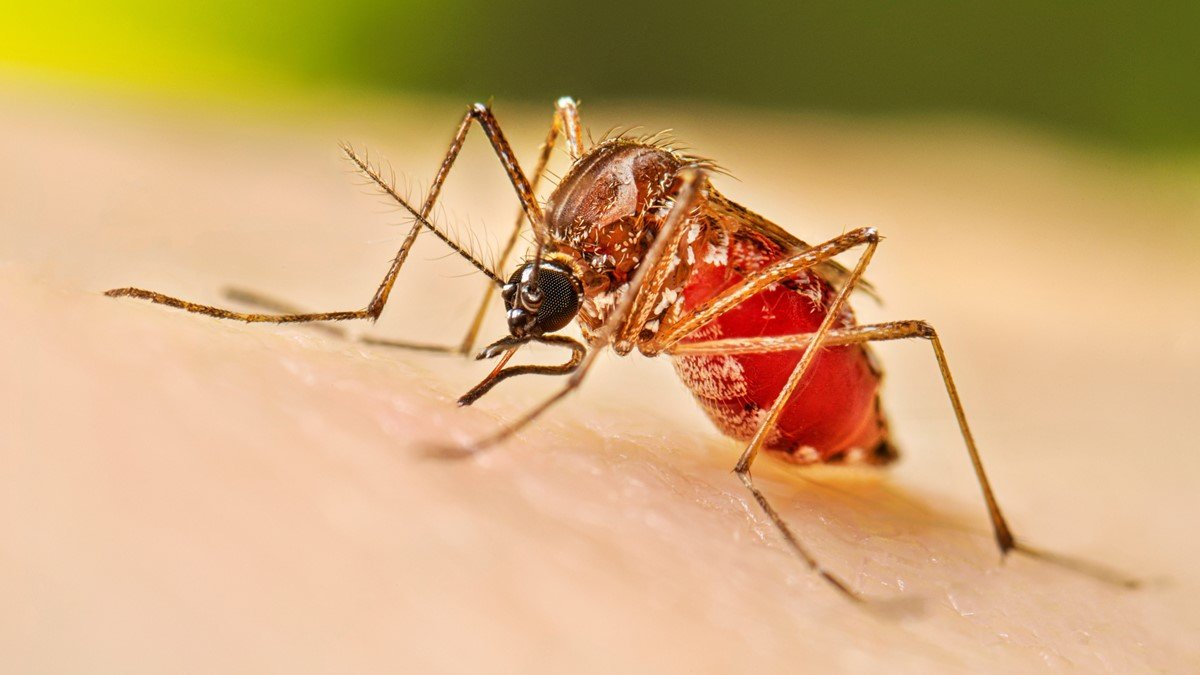
West Nile Virus (WNV) is a mosquito-borne illness transmitted when infected mosquitoes—aided through biting—pass the virus to humans. These mosquitoes become carriers by feeding on infected birds. Humans and other mammals typically serve as “dead-end hosts,” meaning they do not spread the virus further.
Most infections are asymptomatic. Approximately 80% of infected individuals show no signs of illness, while around 20% may develop West Nile fever, which generally presents as flu-like symptoms. Less than 1% develop severe neuroinvasive disease, which can result in lasting neurological impacts or even death.
Symptoms: From Mild to Severe
Mild to Moderate Illness (West Nile Fever)
Symptoms typically develop 3–14 days after being bitten and can include:
- Fever and chills
- Headache
- Muscle aches and joint pain
- Fatigue or weakness
- Rash or swollen lymph nodes
- Nausea, vomiting, or diarrhea
Most individuals with these symptoms recover fully, although fatigue and weakness may linger for weeks.
Severe or Neuroinvasive Illness
Less common but more dangerous, severe cases can involve:
- High fever
- Stiff neck
- Confusion or disorientation
- Seizures or tremors
- Muscle weakness, paralysis
- Vision or speech problems
- Coma
Around 1 in 10 people with neuroinvasive infection may not survive, and survivors often face long-term neurological effects.
Who’s Most at Risk?
Certain groups face a higher likelihood of developing severe disease:
- Adults aged 55 and older (risk increases further over 60)
- People with weakened immune systems: those undergoing chemotherapy, with HIV, or organ transplant recipients
- Individuals with chronic illnesses such as diabetes, high blood pressure, kidney disease, or cancer
Healthy, younger individuals usually experience mild or no symptoms, but vigilance is still important—especially for high-risk communities.
NYC Mosquito Activity & Health Response
Mosquito surveillance in New York has confirmed the presence of WNV-positive mosquito samples across all five boroughs since early summer. Although the number is slightly lower compared to the previous year, it remains widespread.
City health authorities have launched aggressive mosquito-control interventions:
- Indoor and aerial larviciding to target breeding grounds
- Ground-based spraying in hot zones
- Catch-basin treatments to prevent mosquito larvae in standing water
These efforts aim to curb transmission and reduce the community risk as mosquito season peaks in August and September.
Prevention: Your Best Defense
Since no vaccine or drug treatment is available for West Nile Virus, prevention relies on reducing exposure to mosquitoes:
Personal Protection
- Use EPA-approved insect repellents—particularly those containing DEET, picaridin, or oil of lemon eucalyptus.
- Wear protective clothing: long sleeves, long pants, and socks—especially during dawn and dusk.
- Install and repair window/door screens to keep mosquitoes out of living spaces.
Environmental Measures
- Eliminate standing water around homes—empty containers, clean gutters, drain unused pools.
- Report pooling water via public hotlines or municipal apps to ensure prompt mosquito control.
- Keep outdoor equipment, toys, and toys that hold water drained and stored properly.
Stay Alert & Informed
- Stay mindful when outdoors in the evening or early morning, when WNV-carrying mosquitoes are most active.
- Notify healthcare providers immediately if symptoms like fever, headache, or confusion develop—especially in high-risk individuals.
What If You or a Loved One Is Infected?
- Most mild cases recover with rest, hydration, and over-the-counter fever reducers.
- Severe cases involving the nervous system may demand hospitalization—supportive treatments like IV fluids, respiratory support, and monitoring are standard.
- Early diagnosis and medical attention significantly improve outcomes.
How Serious Is WNV in NYC?
Historically, New York sees an average of 16 to 30 neuroinvasive cases annually. Though many residents recover, these cases are costly, life-threatening, and preventable. Public awareness, protective habits, and prompt treatment remain the best tools.
| Category | Key Takeaways |
|---|---|
| Infection Risk | Present city-wide via mosquitoes; first human cases now confirmed |
| Symptoms | Most asymptomatic; mild illness in ~20%; severe cases less than 1% |
| High-Risk Populations | Age 55+, immunocompromised, chronic medical conditions |
| Prevention | Bug spray, protective clothing, home maintenance, awareness |
| Treatment | Supportive care only; no current vaccine or antivirus available |
| Public Response | Mosquito control and surveillance underway city-wide |
As the city confronts its first West Nile human cases of 2025, the public plays a vital role in prevention. By staying informed and proactive—using repellents, reducing breeding sites, and seeking timely care—you can protect yourself and others from this seasonal threat.












Leave a comment