

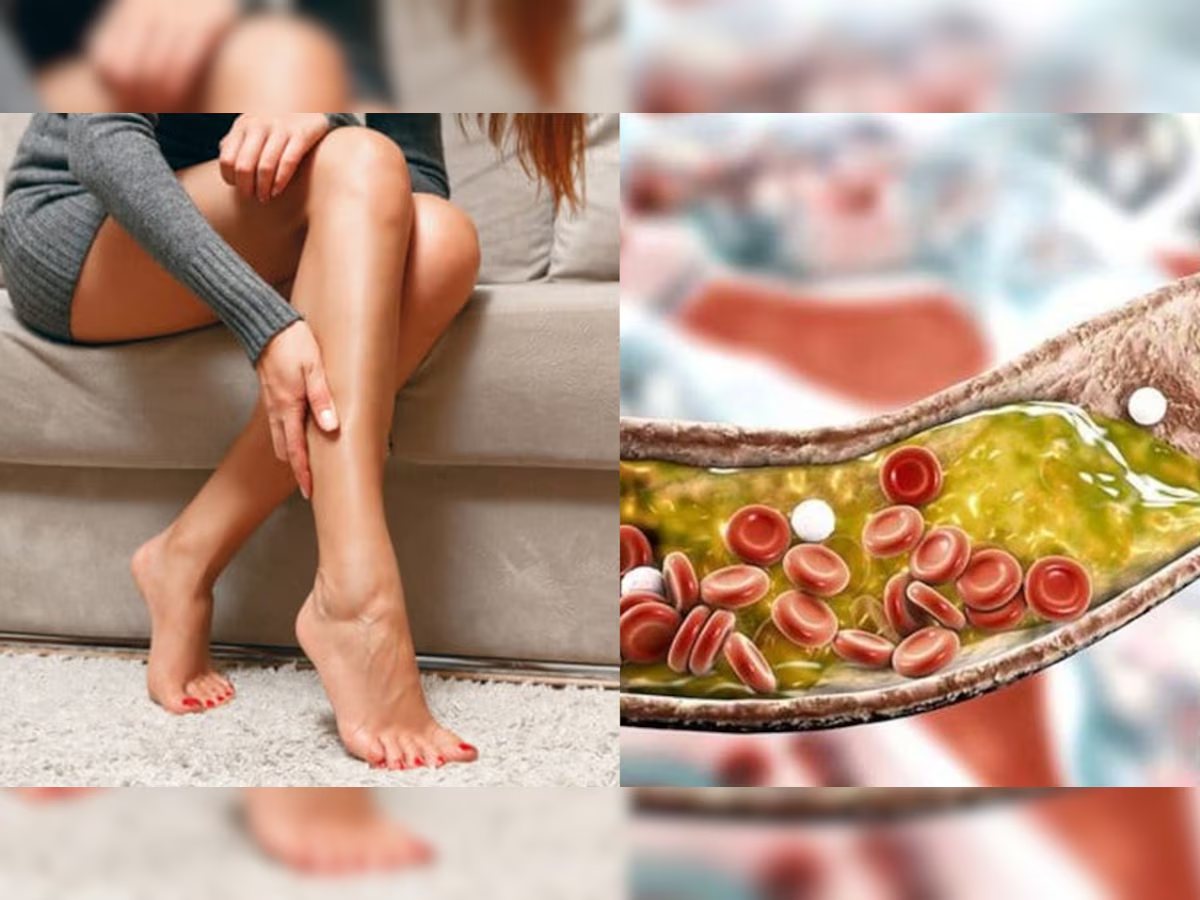
New Delhi, 24 August 2025: High cholesterol often flies under the radar—until it impacts more than just your heart. Elevated LDL (“bad” cholesterol) can silently harm your circulation, and the first signs may appear in your legs and feet. Recognizing these indicators early can save lives. Here are five unexpected—but critical—symptoms that should prompt evaluation.
1. Yellowish Deposits (Xanthomas) on Skin and Tendons
Yellowish lumps beneath the skin—known as xanthomas—can form near joints, tendons, or the ankles when cholesterol builds up. These deposits often signal elevated LDL levels and may reflect underlying genetic conditions affecting lipid metabolism. Early detection can guide proper screening and treatment.
2. Leg Pain or Cramps During Exercise (Claudication)
When arteries in the legs narrow due to cholesterol plaque, blood flow is restricted—especially during physical activity. This leads to leg pain, cramping, or fatigue that typically improves with rest. This warning sign—known as claudication—is a hallmark of poor circulation and potential peripheral artery disease (PAD). Over time, symptoms can worsen, even occurring at rest.
3. Cold, Pale, or Discolored Skin
Restricted blood flow can make the legs and feet feel unusually cold or appear pale, bluish, or purplish. These signs indicate reduced oxygen delivery to tissues and may point to serious vascular impairment requiring prompt medical evaluation.
4. Numbness, Tingling, or Weakness
Inadequate blood flow may compromise nerve health, causing sensations like tingling, numbness, or a burning feeling in the legs or feet. This discomfort may also manifest as unexplained weakness, balance issues, or difficulty walking—symptoms that demand attention.
5. Slow-Healing Wounds or Ulcers
Proper circulation is essential for tissue repair. When high cholesterol impairs leg blood flow, even minor cuts or sores may heal very slowly or not at all. Persistent wounds, especially near the feet, raise the risk of infection, ulcers, and severe complications like tissue death.
Additional Indicators to Watch For
Some other subtle signs may also point to compromised circulation caused by elevated LDL:
- Swelling (Edema) in the feet or ankles often stems from fluid retention due to vascular disruption.
- Shiny or Discolored Skin, Hair Loss, or Thick Toenails reflect long-term poor circulation and tissue nutrition.
- Muscle Atrophy in Calves may develop as muscles weaken and shrink from chronic oxygen deprivation.
How High LDL Impairs Circulation
Excessive LDL contributes to plaque buildup in arteries—a condition known as atherosclerosis. When this occurs in vessels supplying the lower extremities, it disrupts normal blood flow, leading to the symptoms highlighted above.
Peripheral artery disease (PAD) is a common outcome when circulation is compromised due to statin levels. Identifying warning signs early and managing cholesterol aggressively can reverse damage, reduce risks, and improve mobility.
High Cholesterol Signs in Legs & Feet
| Symptom | Potential Cause |
|---|---|
| Yellowish skin or tendon bumps (xanthomas) | Cholesterol deposits under the skin |
| Leg cramps/pain with walking | Impaired circulation (PAD) |
| Cold or discolored skin | Reduced blood flow causing cyanosis |
| Tingling, numbness, or weakness | Nerve impact from poor circulation |
| Slow-healing wounds or ulcers | Impaired nutrient and oxygen delivery |
| Swelling, shiny skin, muscle atrophy | Chronic circulation issues |
When to Seek Medical Evaluation
If you experience any combination of these symptoms—especially leg pain during activity, skin changes, slow-healing wounds, or sensory disturbances—it’s critical to consult a healthcare provider promptly. A blood test to assess cholesterol and a vascular workup, such as an ankle-brachial index (ABI), can help detect PAD and guide timely intervention.
High LDL cholesterol doesn’t always present obvious symptoms—but it may quietly undermine your health by impairing blood flow to your lower limbs. Recognizing unusual signs such as leg cramps, skin changes, numbness, or slow-healing wounds could be your body’s way of signaling a deeper problem.
Early awareness, lipid management, lifestyle changes, and medical evaluation can help restore circulation and prevent serious complications like critical limb ischemia or cardiovascular events. If you notice any of these signs, don’t wait—acting early could be pivotal for your health.















Leave a comment