

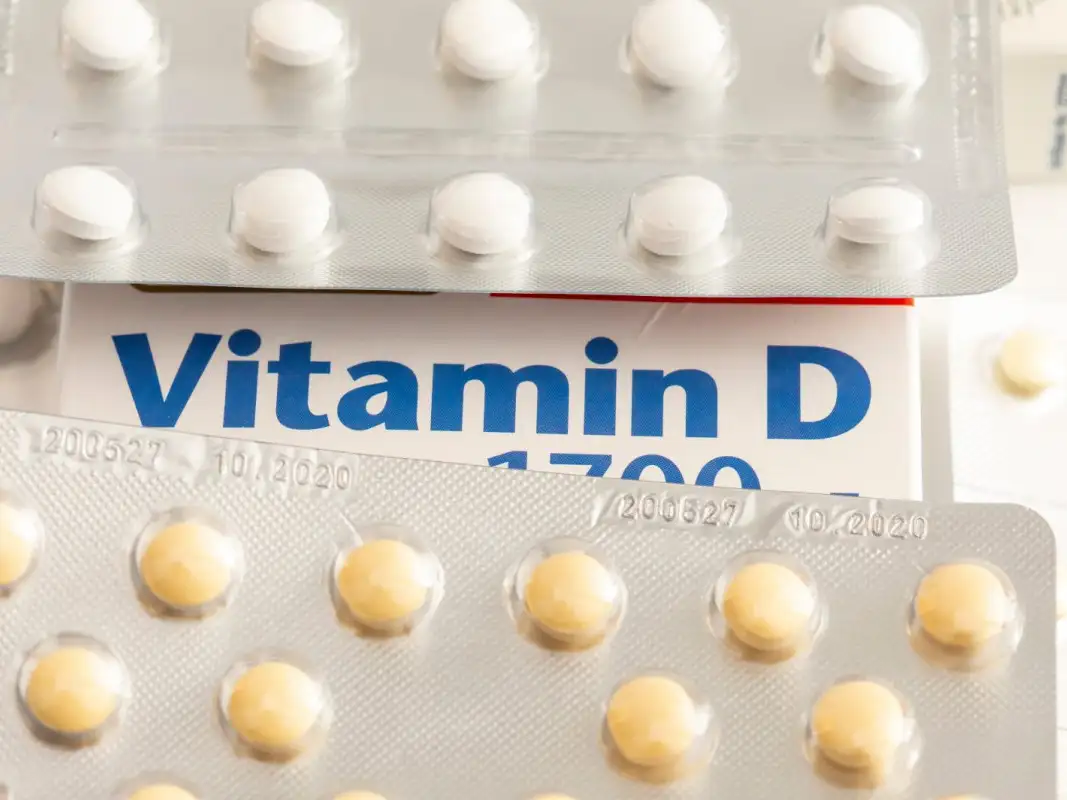
New Delhi, 22 August 2025: Emerging studies have highlighted a powerful connection between Vitamin D and colorectal cancer prevention—suggesting that maintaining sufficient It levels could reduce the risk of developing this cancer by nearly 60%. As colorectal cancer remains one of the most common and dangerous cancers worldwide, this development opens up important pathways in preventive health.
Substantial Risk Reduction
Comprehensive reviews of numerous health studies indicate that individuals with higher levels of Vitamin D—whether from diet, supplements, or sunlight exposure—experience a significantly lower risk of colorectal cancer. In particular, long-term observations in certain populations found a risk reduction of up to 58% for those who maintained adequate Vitamin D intake and blood levels.
Beyond prevention, It has also been linked with better outcomes in people already diagnosed with colorectal cancer. Its impact includes boosting immune responses, slowing tumor progression, and reducing inflammation—factors that collectively contribute to improved survival rates and lower recurrence.
How Vitamin D Fights Tumor Development
Vitamin D’s active form, calcitriol, binds to Vitamin D receptors found in the colon and other parts of the digestive tract. This interaction helps regulate genes involved in cell growth, differentiation, and programmed cell death (apoptosis). When functioning correctly, these processes prevent abnormal cells from developing into tumors.
It also plays a critical role in suppressing inflammation—a major contributor to cancer growth. It does so by modulating key pathways and lowering the production of inflammatory molecules in the gut.
Supporting Evidence
Epidemiological data show that individuals with higher blood levels of Vitamin D have a notably lower incidence of colorectal cancer. Furthermore, those who consume more dietary or supplemental Vitamin D are also less likely to develop polyps or lesions in the colon that can evolve into malignant tumors.
Studies tracking thousands of participants across age groups, genders, and lifestyles found consistent associations between higher Vitamin D levels and a lower likelihood of developing colorectal cancer. Individuals with optimal levels also experienced improved long-term survival when diagnosed with the disease.
The Exceptions
While observational studies suggest a strong link, not every clinical trial has found definitive evidence that taking Vitamin D supplements prevents cancer. Some randomized controlled trials (RCTs) did not show a significant difference in colorectal cancer risk between those taking It and those taking a placebo.
These mixed results highlight the need for further research—especially trials with longer durations, higher doses, or more consistent Vitamin D monitoring. Additionally, differences in individual absorption and baseline health could influence outcomes.
Why This Still Matters
Even with varying study results, the bulk of evidence points toward Vitamin D playing an important protective role—especially when combined with a healthy lifestyle. Individuals with consistently low Vitamin D levels are known to be at higher risk for many health problems, including weakened immunity, bone loss, and certain cancers.
Given the affordability and accessibility of Vitamin D supplements, and the natural availability through sunlight, ensuring adequate intake remains a smart and practical step.
Steps to Take for Cancer Prevention
If you are concerned about your colorectal cancer risk, here are science-backed steps to incorporate Vitamin D safely and effectively into your routine:
1. Get Your Levels Tested
A simple blood test measuring 25-hydroxyvitamin D can determine if you’re deficient. Many people—especially those with darker skin, limited sun exposure, or older age—are often deficient without knowing it.
2. Aim for Natural Sources
This is found in fatty fish (like salmon or mackerel), egg yolks, mushrooms, and fortified foods like dairy or cereals. Moderate sun exposure (10–30 minutes a few times a week) can also help the body produce its own Vitamin D.
3. Consider Supplements
If your levels are low, supplementation may be necessary. Doses between 1,000 to 4,000 IU daily are commonly used, but this should be guided by a healthcare provider.
4. Focus on Overall Gut Health
This works best as part of an integrated approach. Pair it with a high-fiber diet, regular physical activity, limited red/processed meats, and timely colonoscopies or screenings for best protection.
5. Watch for Symptoms
Colorectal cancer in its early stages often presents with subtle symptoms—like fatigue, changes in bowel habits, or unexplained weight loss. Early detection is key, so regular check-ups matter.
Vitamin D and Colorectal Cancer: Reduce Your Risk by Up to 60% with This Simple Nutrient
| Health Area | Vitamin D Impact |
|---|---|
| Cancer Risk | Up to 60% reduced risk with higher blood levels |
| Immune Function | Enhances immune cell response to abnormal cell growth |
| Inflammation | Reduces chronic gut inflammation linked to cancer development |
| Tumor Cell Regulation | Encourages death of abnormal cells, slows tumor formation |
| Treatment Support | Improves outcomes in diagnosed colorectal cancer patients |
















Leave a comment