

New Delhi, 22 August 2025: While Vitamin C is widely known for its immune-boosting benefits, new findings show that its absence may raise the risk of several serious cancers — including those of the stomach, oesophagus, and lungs. Let’s explore the science behind this, recognize key deficiency symptoms, and discover practical strategies to safeguard your health.
The Link Between Vitamin C and Cancer Risk
Higher Vitamin C intake is strongly associated with a lower incidence of several cancers, notably oesophageal, stomach, and lung cancers. Specifically:
- Oesophageal cancer risk may drop by over 40% among those with higher Vitamin C intake.
- Stomach cancer risk may decrease by more than 30%.
- Lung cancer risk shows a measurable decline with increased daily intake.
- Overall cancer risk has also been shown to be lower in those with adequate Vitamin C levels.
Each increment of 50 to 100 mg of daily Vitamin C is linked to a significant reduction in cancer risk. Vitamin C’s potent antioxidant properties help neutralize free radicals and oxidative stress, both of which are key contributors to DNA damage and cancer development.
Symptoms of Vitamin C Deficiency
Recognizing Vitamin C deficiency early is critical — not only to restore health but also to reduce cancer risk. Some of the most common symptoms include:
- Fatigue and Weakness: One of the earliest and most overlooked signs.
- Bleeding or Swollen Gums: In advanced deficiency, teeth may become loose or fall out.
- Joint and Muscle Pain: Often misattributed to general fatigue or age-related issues.
- Easy Bruising and Slow Wound Healing: Capillaries become fragile without adequate Vitamin C.
- Dry, Corkscrew-Shaped Hair: A telltale sign of deficiency, often accompanied by perifollicular hemorrhages.
- Mood Changes: Irritability, depression, and anxiety can increase.
- Unexplained Weight Loss: Especially when paired with other deficiency signs.
- Dry or Rough Skin: Vitamin C supports collagen production, which maintains skin elasticity.
If left untreated, severe deficiency can progress into scurvy, a potentially life-threatening condition characterized by widespread bleeding, anemia, tooth loss, and extreme fatigue.
Who’s at Risk of Vitamin C Deficiency?
Certain groups are more vulnerable to deficiency:
- People with poor diets low in fruits and vegetables.
- Smokers, due to increased oxidative stress and reduced absorption.
- Older adults, especially those with poor appetite or limited food access.
- People with gastrointestinal conditions like Crohn’s disease or celiac disease that affect nutrient absorption.
- Alcoholics, who often suffer from multiple nutrient deficiencies.
- Those on certain medications, such as long-term antacids or proton pump inhibitors, which may interfere with absorption.
Even in well-developed regions, mild Vitamin C deficiency can go undetected for long periods.
Prevention and Recovery
Add Vitamin C–Rich Foods to Your Diet
Fresh fruits and vegetables are the best natural sources of Vitamin C. Some top choices include:
- Oranges, lemons, grapefruits
- Kiwi, strawberries, papaya
- Bell peppers (especially red and yellow)
- Broccoli, spinach, and kale
- Tomatoes and sweet potatoes
It’s important to remember that Vitamin C is water-soluble and sensitive to heat. To preserve its nutritional value, try to consume fruits raw and lightly steam or sauté vegetables instead of overcooking them.
Consider Supplements If Needed
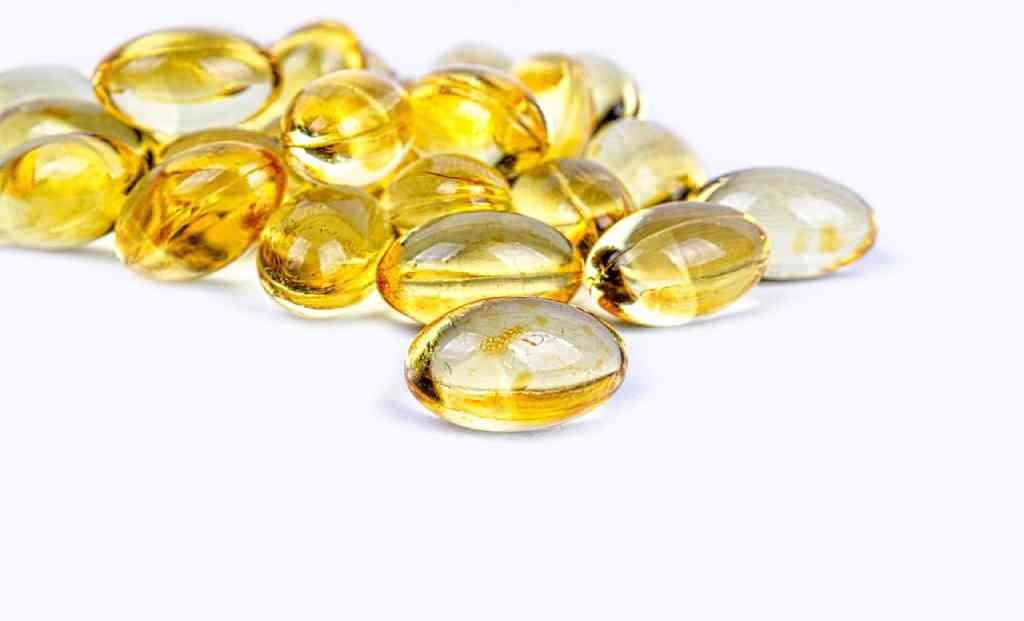
In cases where diet alone isn’t enough, Vitamin C supplements are a reliable option. Adults generally need between 75 and 90 mg per day, though some individuals — such as smokers or those with chronic illness — may require more.
It’s best to consult a healthcare professional before starting supplements, especially if you’re taking other medications or have existing health conditions.
Don’t Ignore the Warning Signs
Vitamin C deficiency often starts silently, but symptoms tend to build up over time. If you notice persistent fatigue, bleeding gums, or slow wound healing, it’s essential to seek medical evaluation. Testing for Vitamin C levels is simple and treatment can lead to rapid recovery.
Vitamin C and Cancer Protection
The antioxidant power of Vitamin C helps prevent the formation of carcinogenic compounds in the body. It also helps repair oxidative damage to cells, supports the immune system, and boosts the body’s natural detox mechanisms.
Here’s how Vitamin C may reduce cancer risk:
- Stomach and oesophageal cancers: It may help neutralize stomach acids and inhibit the growth of harmful bacteria like H. pylori, a known carcinogen.
- Lung cancer: Helps protect lung tissue from damage caused by smoking, pollution, or chronic inflammation.
- Colorectal cancer: Emerging research also suggests a protective effect, although more studies are needed.
The correlation between high Vitamin C intake and lower cancer incidence highlights the importance of this nutrient in preventive health.
| Health Concern | Effect of Deficiency | Benefit of Adequate Vitamin C Intake |
|---|---|---|
| Fatigue & Weakness | Common early sign | Improved energy and immunity |
| Gum Issues & Tooth Loss | Bleeding gums, scurvy risk | Stronger teeth and gum health |
| Joint Pain & Swelling | Impaired collagen production | Healthier joints and connective tissue |
| Skin Issues | Dry, scaly skin, slow wound healing | Improved skin texture, faster recovery |
| Increased Cancer Risk | Oxidative stress, DNA damage | Reduced risk of stomach, oesophagus, lung |
What Else To Know
Vitamin C is more than just an immune booster — it’s a cornerstone of cellular health. A deficiency may not only impact daily well-being but also increase the long-term risk of serious diseases like cancer. Thankfully, prevention is simple. A diet rich in colorful fruits and vegetables, supported by timely testing and, if necessary, supplementation, can go a long way.
Paying attention to the early signs and maintaining good nutritional habits could potentially reduce your cancer risk by up to 60%. Making Vitamin C a consistent part of your lifestyle is a small change with major health rewards.

















Leave a comment