

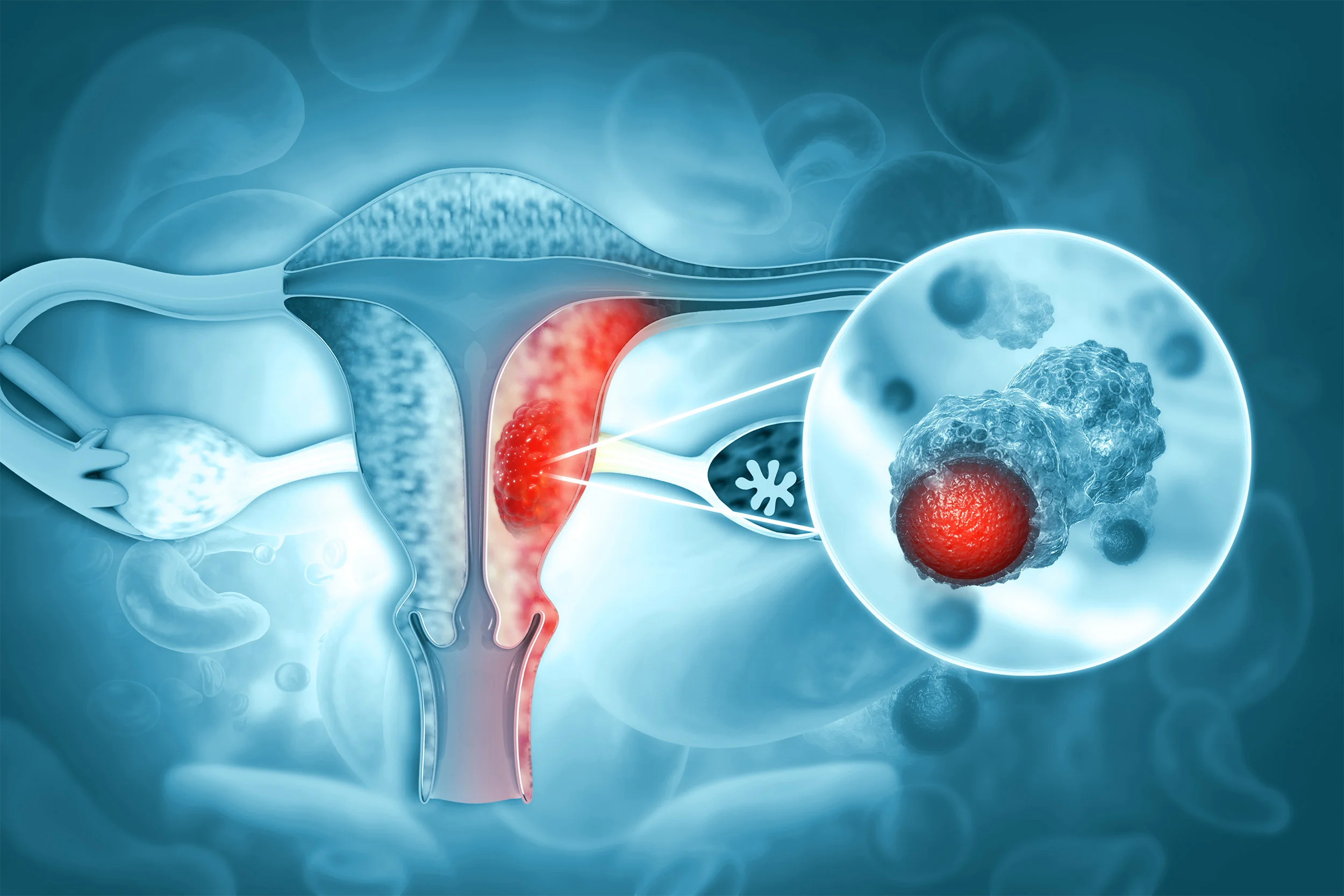
In the world of cancer, Uterine cancer, also addressed as endometrial cancer, ranks as a common one specifically attacking the lining of the uterus. Women should always keep an eye out for the common symptoms of uterine cancer. Swift recognition of these symptoms can mean the difference between a quick recovery and a lengthy battle.
Symptoms of Uterine Cancer
Acknowledging the symptoms of uterine cancer marks the first step in tackling the disease. Abnormal vaginal bleeding, particularly after menopause, is often the most alarming signal. Women with irregular bleeding, or bleeding in-between periods, should waste no time in seeking medical guidance. Pelvic pain, unusual discharge, or discomfort during intercourse also warrant a health check.
The secret to defeating uterine cancer often lies in early detection. Regular visits to your gynecologist and periodic screenings can spot any irregularities. Monitoring changes in menstrual cycles, vaginal discharge, or any pelvic discomfort can lead to early flagging of anticipated issues. Timely detection can dramatically improve treatment prognosis and patient outcomes.
Risk Factors And How To Avoid It?
Certain factors like obesity, hormonal imbalance, and a genetic history of disease make women more susceptible to uterine cancer. Staying active, maintaining a balanced weight and keeping hormonal fluctuations in check can minimize the risk. Regular check-ups and genetic testing become vital for women with a history of uterine or other reproductive cancers.
Treatment Procedure
Post diagnosis, your healthcare provider will formulate a bespoke treatment strategy to tackle the condition. The plan may involve surgery, radiation therapy, chemotherapy, or a blend of these methods. The treatment course is shaped by cancer stage, patient health condition, and of course, their preferences. It’s always wise to have exhaustive discussions with your healthcare team to make informed treatment decisions.
Coping Mechanism
Coping with cancer can be daunting, both emotionally and physically. Ensuring you have support from healthcare professionals, a strong support network and access to a wealth of online resources can make the journey smoother. Interacting with people who’ve unfolded the same map of challenges can offer real, practical advice and the reassurance you’re not alone.

















Leave a comment