Home Latest News Understanding Sad Feelings: Spotting Depression Early
Latest NewsMental Health

Understanding Sad Feelings: Spotting Depression Early

Share
Swarnajayanti fellow’s work to pave way for developing strategies to manage and treat attention disorders
Share

In our busy world, we might not notice when someone is going through a tough time with their mental health. Depression is a condition that many people don’t fully understand, but it can show up in different ways. Knowing the signs early is really important. Here’s a simple guide to help you understand depression:

  1. Feeling Really Sad:

When someone has depression, they might feel sad and hopeless for a long time. This sadness can take away the joy they used to get from things they loved, and it can strain their relationships with others.

  1. Sleep Struggles:

Depression can mess up a person’s sleep. They might have trouble falling asleep or sleep too much. These sleep problems can make them even more tired and emotionally worn out.

  1. Losing Interest in Fun Stuff:

Depression can make someone lose interest in activities they once enjoyed. This can lead to them withdrawing from friends and family, feeling alone.

  1. Appetite Rollercoaster:

Depression can mess with a person’s appetite. They might eat a lot more, leading to weight gain, or they might lose interest in food, causing weight loss.

  1. Energy Drained:

People with depression often feel tired all the time and lack the energy to do even simple tasks. This makes them feel like everything is too hard to handle.

  1. Thinking Becomes Difficult:

Depression can make it tough to think clearly. It might be hard to concentrate, make decisions, or remember things. This can affect how well they do at work or school.

Recognizing these signs is the first step to helping someone with depression. The good news is that depression can be treated, especially when caught early. People may experience a mix of these symptoms, and it can be mild or more severe.

Other signs to look out for include feeling guilty, getting easily irritated, physical discomfort, and thoughts of hurting themselves. If someone shows these signs, it’s important for them to talk to a professional for help.

We need to work together to break the stigma around mental health. Understanding depression and supporting each other through empathy, education, and open communication creates a place where seeking help for mental health challenges is welcomed.

 

Share

Leave a comment

Leave a Reply

Your email address will not be published. Required fields are marked *

Don't Miss

Always Tired? It Could Be Anaemia!
Diet & NutritionHealth NewsHealth TipsLifestyleLifestyle & WellnessWellness

Anaemia in India: Why Iron Deficiency Remains a Concern and 7 Signs You Should Not Ignore

Feeling tired all the time, experiencing frequent dizziness or getting breathless after climbing a few stairs? While these symptoms are often dismissed as...

N95 Mask
Health TipsLatest NewsLifestyle & WellnessWellness

Does Wearing an N95 Mask Protect You From PM2.5 Pollution? Doctors Explain How To Choose And Wear It Correctly

As air pollution continues to affect several Indian cities during winter, wearing a mask has become an important precaution for people stepping outdoors....

Delhi Air Pollution
Lifestyle & Wellness

Can Air Pollution Cause Pneumonia? Doctors Explain How Poor AQI Affects Your Lungs This Winter

Winter brings a familiar set of respiratory health concerns, from persistent coughing and throat irritation to breathing difficulties and chest infections. However, as...

Diet & NutritionHealth TipsLatest NewsLifestyleLifestyle & WellnessWellness

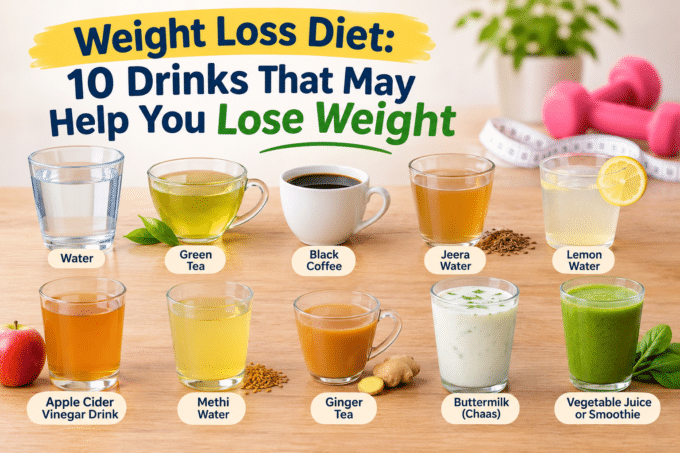
Weight Loss Diet: 10 Drinks That May Help You Lose Weight

Losing weight is not just about eating healthy and exercising. What you drink during the day also matters. Some drinks can help you...

Heart Attack
Lifestyle & Wellness

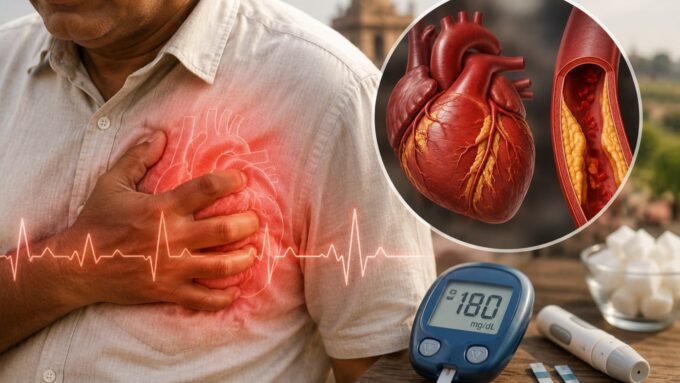
Diabetes and Heart Disease: Why High Blood Sugar Can Increase Your Risk of a Heart Attack

Diabetes is often considered a condition that primarily affects blood sugar levels. However, its impact extends far beyond glucose regulation. Persistently high blood...

Section title

Related Articles
Latest NewsWHO

WHO Releases First-Ever Guidelines For Type 1 Diabetes In Adults: 5 Key Recommendations Explained

The World Health Organization (WHO) has issued its first-ever guidelines for the...

Health NewsLatest NewsLifestyle

7 Simple Ways to Protect Yourself from Air Pollution

Air pollution has become a major health concern today. Dust from construction...