

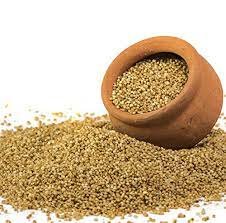
When it comes to maintaining strong and healthy bones, a well-balanced diet plays a crucial role. While calcium is often associated with dairy products, there are other calcium-rich alternatives that can support bone health. One such grain is kodo millet, which has gained popularity for its numerous health benefits. It is primarily grown in India, where it is a staple food in many regions. This gluten-free grain is packed with essential nutrients and has gained recognition as a superfood.
Calcium Content in Kodo Millet
Calcium is a vital mineral for maintaining strong bones and teeth. Kodo millet is an excellent source of calcium, making it an ideal addition to a bone-healthy diet. A 100 g serving of kodo millet contains approximately 35-40 mg of calcium. Incorporating this grain into your meals can help meet your daily calcium requirements.
Other Nutrients in Kodo Millet
In addition to calcium, kodo millet is rich in other nutrients that contribute to bone health. It contains magnesium, phosphorus, and potassium, which work synergistically with calcium to support bone strength. These minerals play a crucial role in maintaining bone density and preventing conditions like osteoporosis.
Benefits of Kodo Millet for Bone Health
1. Enhanced Calcium Absorption: Kodo millet contains certain compounds that aid in the absorption of calcium by the body. This ensures that the calcium you consume is effectively utilized for maintaining bone density.
2. Anti-Inflammatory Properties: Chronic inflammation can contribute to bone loss. Kodo millet possesses anti-inflammatory properties that help reduce inflammation and protect bone health.
3. Rich in Antioxidants: Kodo millet is a good source of antioxidants, which help combat oxidative stress. Oxidative stress can lead to bone damage, and the antioxidants in kodo millet help protect against this.
4. Low Glycemic Index: Kodo millet has a low glycemic index, which means it doesn’t cause a rapid spike in blood sugar levels. This is beneficial for overall health, including bone health, as high blood sugar levels can negatively impact bone density.
Simple Ways to Incorporate It into Your Diet
1. Kodo Millet Porridge: Start your day with a warm and comforting bowl of kodo millet porridge. Cook the millet with water or milk, add your favorite toppings like fruits and nuts, and enjoy a nutritious breakfast.
2. Kodo Millet Salad: Add cooked kodo millet to your salads for an extra dose of calcium and fiber. Mix it with fresh vegetables, herbs, and a light dressing for a refreshing and nourishing meal.
3. Kodo Millet Pilaf: Use kodo millet as a substitute for rice in pilaf recipes. Sauté it with vegetables, spices, and broth for a flavourful and wholesome dish.
4. Kodo Millet Upma: Prepare a delicious and nutritious upma by sautéing kodo millet with onions, vegetables, and spices. It’s a satisfying and healthy option for breakfast or lunch.
Remember to consult with a doctor or your dietitian before making any significant changes to your diet. They can provide personalized guidance based on your specific needs and health goals.















Leave a comment