Home Latest News Silent Stroke: 6 Warning Signs That Can Appear Days Before A Stroke
Latest News

Silent Stroke: 6 Warning Signs That Can Appear Days Before A Stroke

Share
Strokes: The Silent Epidemic Affecting Young Adults You Must Know About!
Share

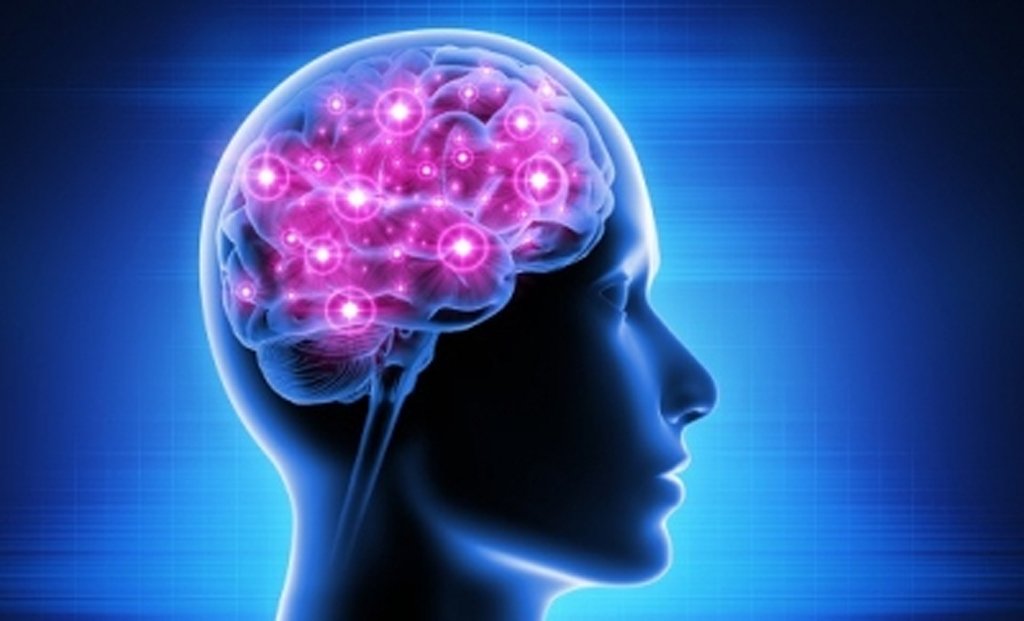
A stroke is a serious medical emergency that occurs when blood flow to the brain is suddenly interrupted. However, not all strokes happen without warning. In some cases, people may experience subtle symptoms days or even weeks before the event. These early warning signs may be linked to a Silent Stroke, a type of stroke that causes small areas of brain damage without obvious immediate symptoms.

Doctors warn that recognising these early signals is crucial, as a major Stroke can often be prevented with timely medical intervention. A stroke can occur due to a blocked artery, known as Ischemic Stroke, or from bleeding in the brain.

Here are six warning signs that may appear days before a stroke.

1. Sudden weakness or numbness

One of the most common warning signs is sudden weakness, numbness, or tingling in the face, arm, or leg—especially on one side of the body. Even if the sensation disappears quickly, it could signal a temporary interruption of blood flow to the brain.

2. Difficulty speaking or understanding speech

Trouble speaking clearly, slurred speech, or difficulty understanding conversations can be an early indicator of reduced blood supply to the brain. These symptoms may appear briefly and then resolve, but they should always be taken seriously.

3. Severe or unusual headaches

A sudden, intense headache that feels different from previous headaches could be a warning sign of a stroke. In some cases, headaches occur due to changes in blood flow or pressure in the brain.

4. Vision problems

Blurred vision, double vision, or temporary loss of sight in one or both eyes may occur before a stroke. The brain areas responsible for visual processing can be affected when blood flow is disrupted.

5. Loss of balance or coordination

People may suddenly feel dizzy, unsteady, or have difficulty walking. Problems with coordination or balance can occur when certain parts of the brain are not receiving enough oxygen.

6. Sudden confusion

Feeling confused, disoriented, or having trouble concentrating can also signal a possible stroke risk. Changes in cognitive function may occur when brain cells are deprived of oxygen-rich blood.

When these symptoms may signal a mini-stroke

Many early warning signs of stroke are linked to a Transient Ischemic Attack (TIA), often called a “mini-stroke.” A TIA temporarily blocks blood flow to the brain but does not cause permanent damage. However, it is a major warning sign that a full stroke could occur in the near future.

Who is at higher risk?

Several health conditions increase the risk of stroke, including High Blood Pressure, Type 2 Diabetes, high cholesterol, smoking, obesity, and a sedentary lifestyle. Stress and lack of physical activity may also contribute to increased stroke risk.

How to reduce the risk of stroke

Doctors recommend maintaining a healthy lifestyle to lower the risk. Regular exercise, a balanced diet, controlling blood pressure and cholesterol, and avoiding tobacco use can significantly reduce stroke risk.

Most importantly, any sudden neurological symptoms—no matter how brief—should be treated as a medical emergency.

Recognising these early warning signs can save lives, as prompt medical attention can prevent a major stroke and reduce the risk of long-term brain damage.

Share
Written by
Swapna Karmakar

Swapna Karmakar is an experienced Health Journalist and the Editorial Lead at Healthwire Media. She has a background in investigative reporting and a deep interest in community health and regulatory updates within the medical sector. Swapna focuses on bridging the gap between healthcare providers and patients by crafting narratives that simplify medical terminology without losing clinical depth. Her research process involves analyzing peer-reviewed journals and official regulatory notifications from bodies like the National Medical Commission (NMC) to provide timely news to both healthcare professionals and the general public. Swapna’s work is characterized by a commitment to transparency and evidence-based reporting. Outside of health reporting, she is an avid traveler and explorer of cultural landscapes. 

Leave a comment

Leave a Reply

Your email address will not be published. Required fields are marked *

Don't Miss

Gastroenterology

World Liver Day 2026: 10 simple habits to reverse fatty liver

Fatty liver is silently gaining popularity as one of the most prevalent ailments while the vast majority of people are not aware that...

Signs Of Heart Attack
Cardiology

Heart Attack Symptoms Explained: Does the Pain Always Occur on the Left Side? Expert Reveals Warning Signs You Shouldn’t Ignore

In 2026, heart attacks are not limited to the elderly—young people are increasingly facing this serious condition. Before a heart attack occurs, the...

There are many microorganisms that directly harm the stomach.
Diet & NutritionLifestyle & Wellness

Viral gastroenteritis cases amid rising summer heatwave: Tips to protect yourself

As the temperature continues to rise, viral gastroenteritis also known as stomach flu spikes in Mysuru with reports indicating a sharp rise in...

Nephrology

Heatwave alert: How dehydration silently damages your kidneys and hidden risks you must not ignore

With the moderate increase in temperatures in India, the majority of the population is concentrating on being hydrated. Although dehydration is a key...

Lifestyle & Wellness

Pre-pregnancy obesity may raise child’s fatty liver risk by 3 times, warns expert

Planning a pregnancy often focuses on eating well, taking supplements, and going for regular check-ups. However, recent studies indicate that preconceptual health is...

Section title

Related Articles
Latest News

PCOS vs PMOS: Understanding the Key Differences in Women’s Hormonal Health

For years, millions of women across the world have known the hormonal...

Latest News

Indian techie dies in California after contracting rare fungal infection: What is valley fever and how dangerous is it?

An Indian technology professional recently lost his life in California after contracting...

Latest News

Creatine for muscle and brain: What science really says about strength, performance and safety

Creatine is the world’s most popular fitness supplement. You may come across...

Latest News

Hantavirus Outbreak: How This Dangerous Rodent-Borne Infection Spreads And The Warning Signs You Should Never Ignore

The recent concerns around hantavirus outbreaks have once again highlighted the dangers...