

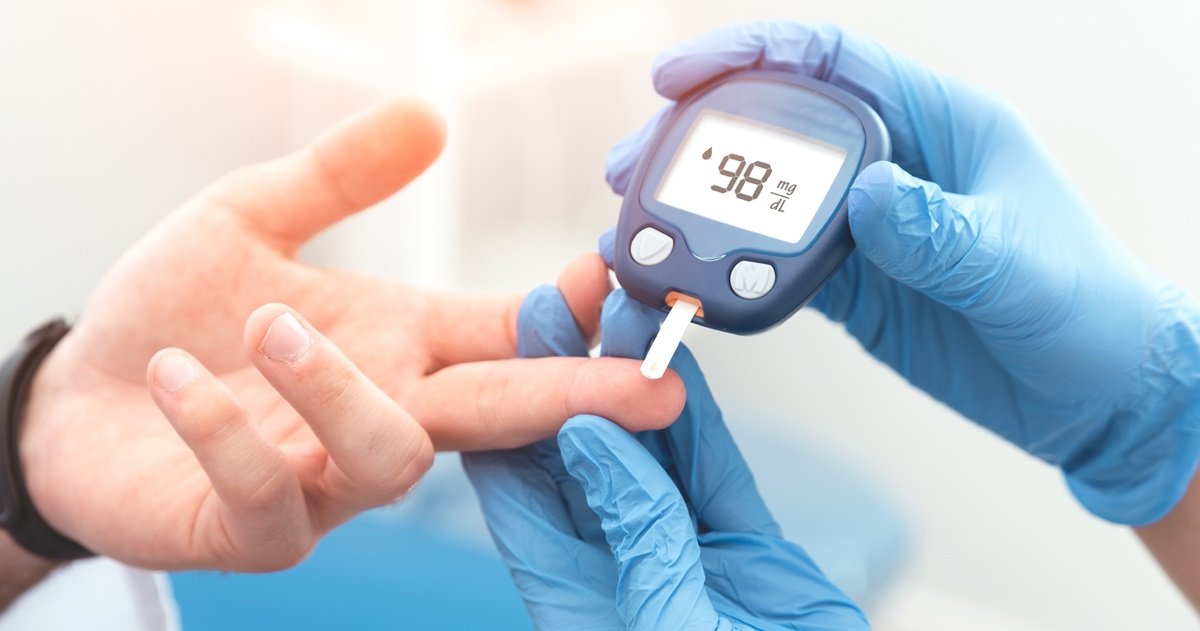
High blood sugar, medically known as Hyperglycemia, can often develop silently before a person is diagnosed with Diabetes. When glucose levels in the bloodstream remain consistently high, it can gradually affect multiple organs and systems in the body.
While many people are aware of common symptoms like excessive thirst and frequent urination, doctors say there are several unusual warning signs that people may overlook. Recognising these early symptoms is important because untreated diabetes can lead to serious complications such as Type 2 Diabetes, nerve damage, kidney disease, and heart problems.
Here are eight unusual symptoms that may signal high blood sugar levels.
1. Blurred vision
High blood sugar can cause fluid levels in the eyes to change, affecting the shape of the lens and leading to blurred vision. This symptom may come and go but should not be ignored, as prolonged high glucose levels can damage the retina over time.
2. Slow-healing wounds
Cuts, bruises, and infections that take longer than usual to heal may indicate high blood sugar. Elevated glucose levels can weaken the immune system and reduce blood circulation, making it harder for the body to repair damaged tissue.
3. Tingling or numbness in hands and feet
Persistent tingling, burning sensations, or numbness in the hands and feet may be a sign of nerve damage caused by high blood sugar. This condition is known as Diabetic Neuropathy, a common complication of long-term diabetes.
4. Frequent skin infections
High blood sugar can make the body more vulnerable to bacterial and fungal infections. Repeated skin infections, itching, or unusual rashes may occur when glucose levels remain elevated for extended periods.
5. Constant fatigue
Feeling unusually tired or lacking energy is another possible symptom. When blood sugar levels are high, the body cannot efficiently use glucose for energy, leading to persistent fatigue and weakness.
6. Increased hunger
Even after eating, some people with high blood sugar may continue to feel hungry. This happens because the body’s cells cannot effectively absorb glucose from the bloodstream, leaving the body feeling deprived of energy.
7. Dark patches of skin
Dark, velvety patches of skin around the neck, armpits, or groin may signal Insulin Resistance, a condition where the body does not respond properly to insulin. This skin change, called acanthosis nigricans, is often associated with an increased risk of developing type 2 diabetes.
8. Dry mouth and excessive thirst
Persistent thirst and dry mouth are classic signs of high blood sugar. When glucose levels rise, the body attempts to remove excess sugar through urine, leading to dehydration and increased thirst.
Who is at higher risk?
Certain factors increase the risk of developing high blood sugar and diabetes. These include obesity, family history of diabetes, sedentary lifestyle, unhealthy diet, and conditions such as Prediabetes.
People over the age of 40, as well as those with high blood pressure or high cholesterol, may also face a higher risk.
How to keep blood sugar levels under control
Doctors recommend maintaining a healthy lifestyle to prevent or manage high blood sugar. This includes eating a balanced diet rich in fibre, limiting sugary foods, exercising regularly, maintaining a healthy weight, and getting regular health screenings.
Early detection of unusual symptoms can help individuals seek medical advice sooner and take preventive steps before diabetes leads to long-term complications.
















Leave a comment