

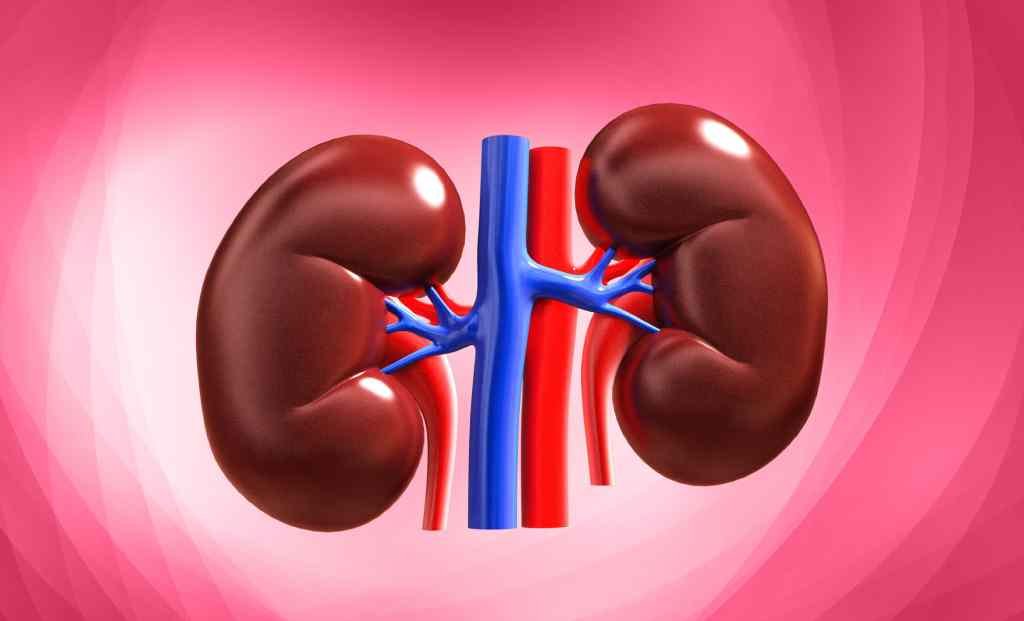
New Delhi, 11 December 2024: Kidney disease, often associated with adults, is becoming a growing health concern among children. The rising prevalence of kidney-related ailments in young populations has alarmed health experts worldwide. Once considered rare in children, chronic kidney disease (CKD) is now being recognized as a significant public health issue, with far-reaching implications for families and healthcare systems. Experts are warning of a silent epidemic and emphasizing the need for early prevention and intervention to curb this worrying trend.
Understanding Kidney Disease in Children
Kidney disease in children can range from acute kidney injury (AKI) to chronic kidney disease (CKD). These conditions impair the kidneys’ ability to filter waste, regulate blood pressure, and maintain fluid balance. Common causes include congenital abnormalities, infections, inherited disorders, and complications from other diseases such as diabetes and hypertension.
Unlike adults, children with kidney disease often go undiagnosed due to vague or non-specific symptoms. Left untreated, the condition can progress to kidney failure, necessitating dialysis or transplantation. This underscores the importance of early detection and regular screening, especially for high-risk groups.
Concerning Rise in Cases
Recent studies and reports highlight a troubling increase in pediatric kidney disease globally. Lifestyle changes, environmental factors, and rising rates of obesity and diabetes in children are contributing to this surge. Poor dietary habits, lack of physical activity, and exposure to pollutants are also key culprits.
In developing countries, the problem is compounded by limited access to healthcare, delayed diagnosis, and insufficient awareness. Acute infections like urinary tract infections (UTIs) and post-streptococcal glomerulonephritis are common triggers in these regions. Meanwhile, urban areas see a rise in lifestyle-related factors contributing to kidney dysfunction.
Symptoms: The Silent Nature of the Epidemic
Kidney disease in children often presents with subtle symptoms, which can be easily overlooked. Parents and caregivers should watch for warning signs, including:
Persistent fatigue or lethargy
Swelling in the face, hands, or feet
Frequent or painful urination
Blood in urine or changes in urine color
Unexplained weight loss
Loss of appetite
High blood pressure
Since these symptoms may be mistaken for other conditions, regular pediatric check-ups are essential for early diagnosis.
The Importance of Early Prevention
Early prevention is the cornerstone of tackling the rising epidemic of kidney disease in children. Preventive measures should begin with educating families about the importance of maintaining kidney health. Simple steps can make a significant difference, including:
Healthy Diet: Encourage a balanced diet rich in fruits, vegetables, whole grains, and lean proteins. Reduce intake of processed foods, salt, and sugary drinks.
Hydration: Ensure children drink adequate water to support kidney function.
Physical Activity: Promote regular exercise to maintain healthy body weight and prevent obesity-related kidney issues.
Regular Screenings: High-risk children, such as those with a family history of kidney disease or other chronic conditions, should undergo periodic screenings.
Avoid Overuse of Medications: Over-the-counter painkillers can harm kidney function when used excessively or inappropriately.
Healthcare professionals and policymakers must join forces to address the rising burden of pediatric kidney disease. Awareness campaigns in schools, communities, and healthcare centers can educate parents about the importance of early detection and healthy lifestyle choices. Governments must also invest in improving access to diagnostic tools and pediatric nephrology services, particularly in rural and underserved areas.
Research and innovation are equally critical. Advancements in diagnostic techniques, treatments, and transplantation methods can offer hope to young patients and their families.
The rising cases of kidney disease in children highlight the urgent need for comprehensive strategies to tackle this silent epidemic. With timely diagnosis, effective treatment, and preventive measures, it is possible to halt the progression of kidney-related ailments in children.
Parents, healthcare providers, and policymakers must work collaboratively to ensure that the next generation grows up free from the burden of kidney disease. By prioritizing awareness, early intervention, and healthy lifestyles, society can make a significant impact in safeguarding the health and future of its youngest members.

















Leave a comment