

New Delhi, 12 December 2024: In a remarkable public health achievement, India has significantly reduced malaria cases and related mortality over the past six years, as highlighted in the latest World Health Organization (WHO) report. This progress underscores the effectiveness of national strategies, robust government programs, and community engagement in combating this life-threatening disease.
Understanding Malaria: A Persistent Threat
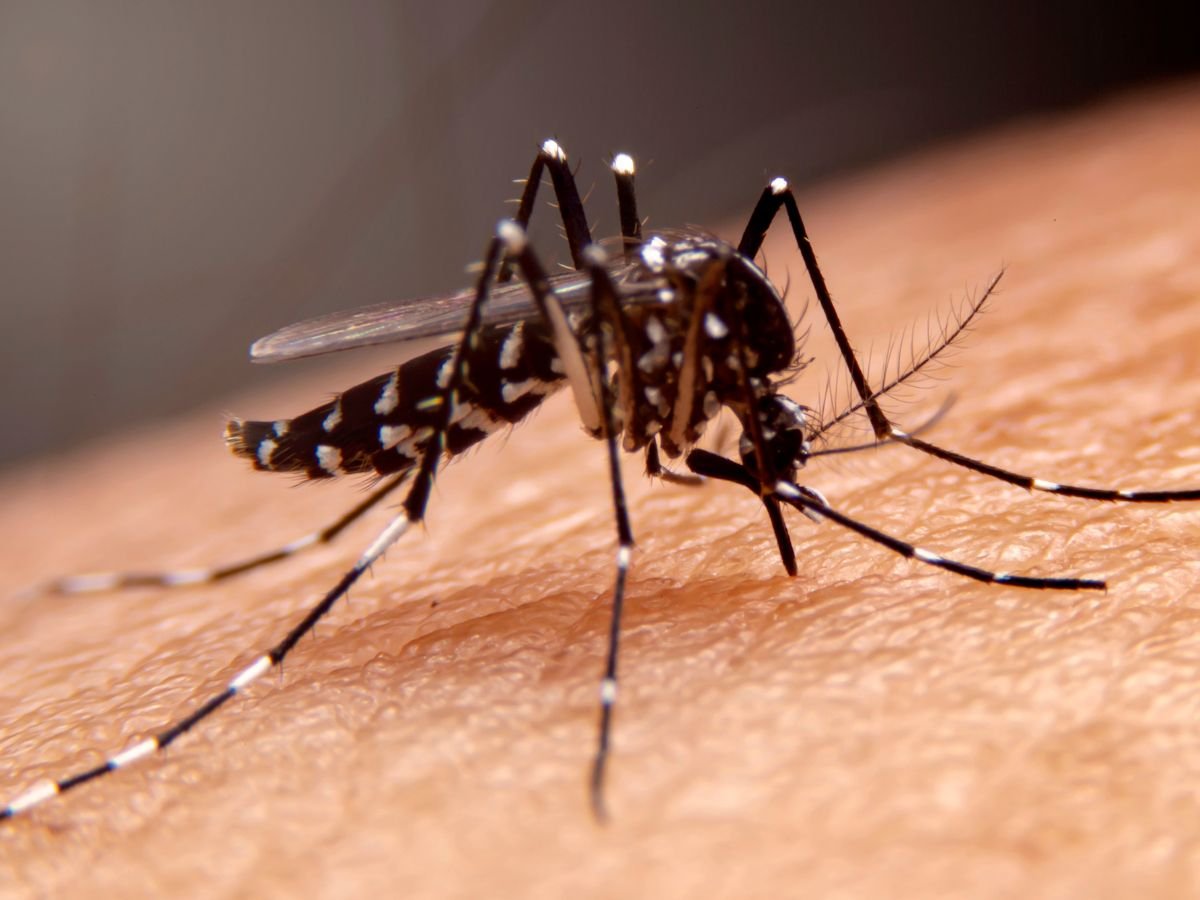
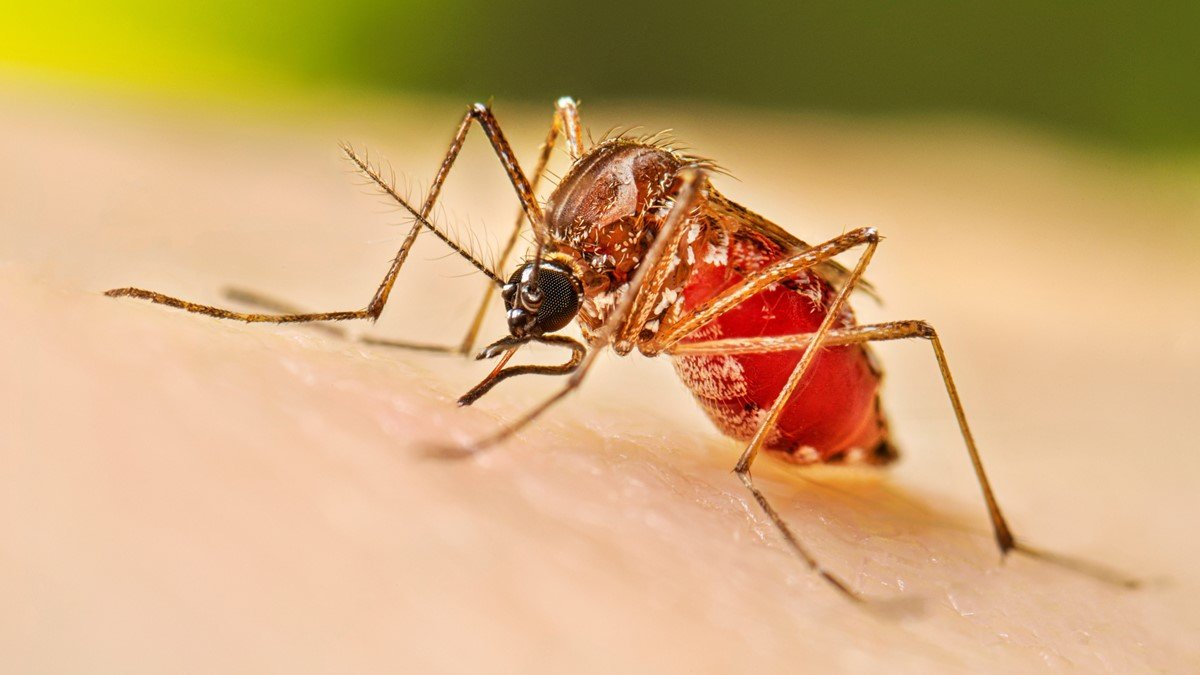
Malaria is a parasitic disease caused by Plasmodium parasites, transmitted to humans through the bites of infected female Anopheles mosquitoes. The disease manifests with symptoms like high fever, chills, headaches, nausea, and muscle pain. In severe cases, malaria can cause organ failure, anemia, or death. India has historically been among the high-burden countries for malaria due to its tropical climate and large population, making the recent reductions in cases a milestone achievement.
WHO Highlights India’s Progress
According to the WHO’s 2023 World Malaria Report, India recorded a 69% decline in malaria cases and a 69% drop in malaria-related deaths between 2017 and 2023. This decline is attributed to the country’s strong commitment to malaria eradication, driven by a combination of early diagnosis, enhanced vector control, and innovative health interventions.
India’s “High Burden to High Impact” initiative, launched in partnership with WHO in 2018, has played a pivotal role. The program focuses on strengthening surveillance, targeting resources to high-risk areas, and mobilizing community participation. These efforts have not only reduced malaria incidence but also heightened awareness about prevention measures.
Key Strategies for Success
Enhanced Vector Control Measures: India has prioritized widespread use of insecticide-treated bed nets (ITNs) and indoor residual spraying (IRS) in malaria-prone regions. These measures have significantly reduced the mosquito population responsible for transmitting the disease.
Rapid Diagnosis and Treatment: The availability of rapid diagnostic tests (RDTs) in remote areas ensures timely identification of malaria cases. Coupled with access to effective antimalarial medications, this has reduced the severity and spread of infections.
Community Engagement and Education: Public awareness campaigns about preventive measures, such as removing stagnant water and using mosquito repellents, have empowered communities to take proactive steps against malaria.
Focus on Vulnerable Populations: Targeting interventions in high-risk groups, including children and pregnant women, has been crucial in reducing mortality rates.
Challenges and Future Goals: Despite these achievements, challenges remain. The emergence of insecticide-resistant mosquitoes and drug-resistant Plasmodium strains poses a threat to sustaining progress. Additionally, access to healthcare in remote areas needs further improvement to ensure universal malaria prevention and treatment.
India has set an ambitious goal of achieving malaria elimination by 2030. To meet this target, continued investment in research, infrastructure, and innovative strategies will be essential.
Follow-Up: Global Impact and India’s Role
India’s progress in combating malaria has far-reaching implications. As one of the world’s largest and most populous countries, its success sets a precedent for other malaria-endemic nations. WHO has called on other high-burden countries to adopt India’s model of integrated interventions and targeted approaches.
Malaria remains a global challenge, with 247 million cases reported worldwide in 2022. India’s achievements demonstrate that a concerted effort, combined with community participation and technological innovation, can bring about tangible change.
India’s fight against malaria highlights the importance of perseverance, innovation, and collaboration in tackling public health challenges. While significant progress has been made, the road to complete elimination requires sustained efforts and vigilance. By building on its achievements and addressing emerging challenges, India can serve as a global leader in the fight against malaria.














Leave a comment