

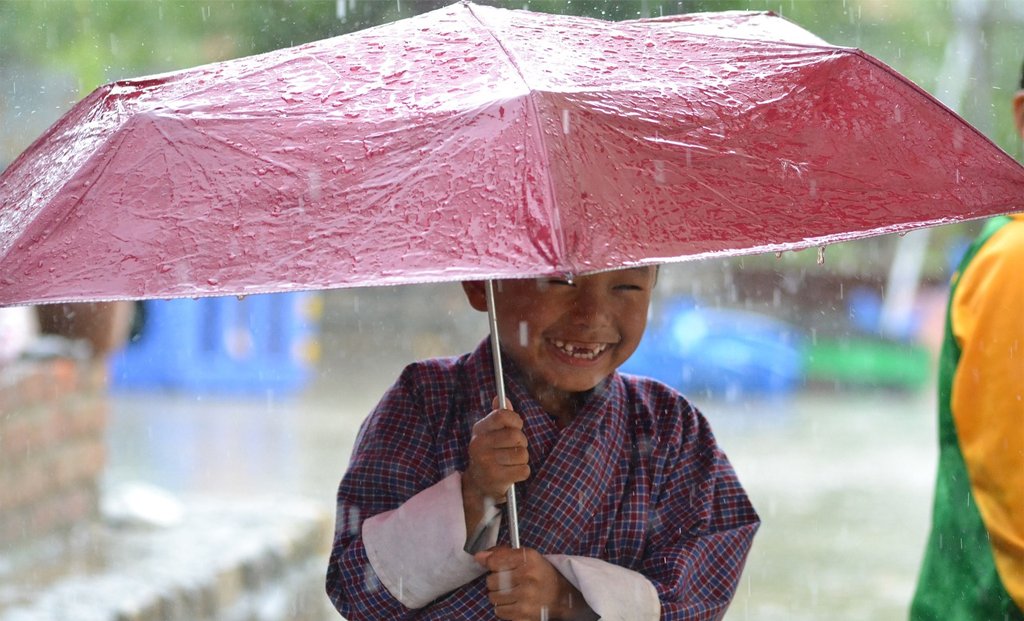
New Delhi, 19 June 2025: While the monsoon season offers much-needed respite from the scorching summer heat, it also brings a surge in waterborne, mosquito-borne, and viral infections. The combination of stagnant water, increased humidity, and sudden temperature drops creates the perfect breeding ground for disease-causing pathogens. From mild flu to life-threatening illnesses like dengue and leptospirosis, monsoon-related diseases can affect people of all ages. Understanding their symptoms and learning how to prevent them is essential to staying healthy during the rainy season.
1. Dengue: The Mosquito-Borne Menace
Dengue fever is one of the most common monsoon diseases, transmitted by Aedes mosquitoes that breed in stagnant water. Symptoms typically appear 3–7 days after being bitten and include high fever, severe headaches, joint and muscle pain, skin rashes, pain behind the eyes, and in severe cases, bleeding or low platelet counts.
Prevention Tips:
- Empty and clean water containers regularly.
- Use mosquito repellents and wear long-sleeved clothing.
- Install window screens and sleep under mosquito nets.
- Avoid visiting areas with poor sanitation or heavy mosquito presence.
2. Leptospirosis: The Hidden Risk in Floodwater
Caused by bacteria found in water contaminated with rat urine, leptospirosis often spreads through cuts or open wounds during floods. Symptoms include high fever, chills, muscle aches (especially in the calves and lower back), vomiting, redness in the eyes, and jaundice.
Prevention Tips:
- Avoid walking barefoot in floodwater or dirty puddles.
- Wear waterproof boots and cover open wounds.
- Wash any area of the body that comes into contact with floodwater using soap and clean water.
3. Typhoid: A Waterborne Threat
Typhoid fever spreads through contaminated food or water and thrives in unhygienic environments. Common symptoms include prolonged fever, stomach pain, constipation or diarrhea, fatigue, and loss of appetite. If untreated, it can lead to intestinal complications.
Prevention Tips:
- Drink only boiled or purified water.
- Eat home-cooked, hygienically prepared meals.
- Wash hands thoroughly before eating and after using the toilet.
4. Malaria: The Classic Monsoon Concern
Like dengue, malaria is transmitted by mosquito bites—this time from the Anopheles mosquito. It causes high fever that comes in cycles, chills, sweating, body aches, nausea, and vomiting. If left untreated, malaria can become life-threatening.
Prevention Tips:
- Sleep under insecticide-treated bed nets.
- Eliminate mosquito breeding grounds near your home.
- Apply mosquito repellent creams and sprays daily.
5. Stomach Infections and Diarrhea
The rainy season often compromises food and water quality, increasing the risk of bacterial and viral infections. Symptoms include loose motions, stomach cramps, vomiting, and dehydration. Children and the elderly are particularly vulnerable.
Prevention Tips:
- Avoid street food and unwashed fruits or vegetables.
- Drink safe, filtered water.
- Maintain strict hygiene in food preparation and storage.
6. Cold, Flu, and Viral Fevers
The fluctuating weather weakens immunity, making people prone to common colds, sore throats, and viral fevers. Symptoms include cough, runny nose, fatigue, body aches, and mild to moderate fever.
Prevention Tips:
- Boost immunity with a balanced diet rich in vitamin C.
- Avoid sudden temperature changes (like stepping from a cold AC room into rain).
- Get adequate sleep and stay hydrated.
7. Fungal Infections
Humidity and damp clothing create ideal conditions for fungal infections, especially in skin folds, feet, and nails. Ringworm, athlete’s foot, and candidiasis are common during monsoons. Symptoms include itching, redness, scaling, and white patches.
Prevention Tips:
- Keep the body dry, especially in skin folds.
- Wear breathable, dry clothes.
- Use antifungal powders or creams at the first sign of infection.
Monsoon may bring joy to nature lovers, but it’s also a season that demands heightened vigilance for health. Awareness of disease symptoms and proactive prevention are the keys to staying safe. Simple steps like avoiding stagnant water, maintaining hygiene, eating clean, and protecting yourself from mosquito bites can go a long way. As beautiful as the rains may be, let them not catch you off-guard—take care, stay dry, and stay healthy this monsoon.
















Leave a comment