

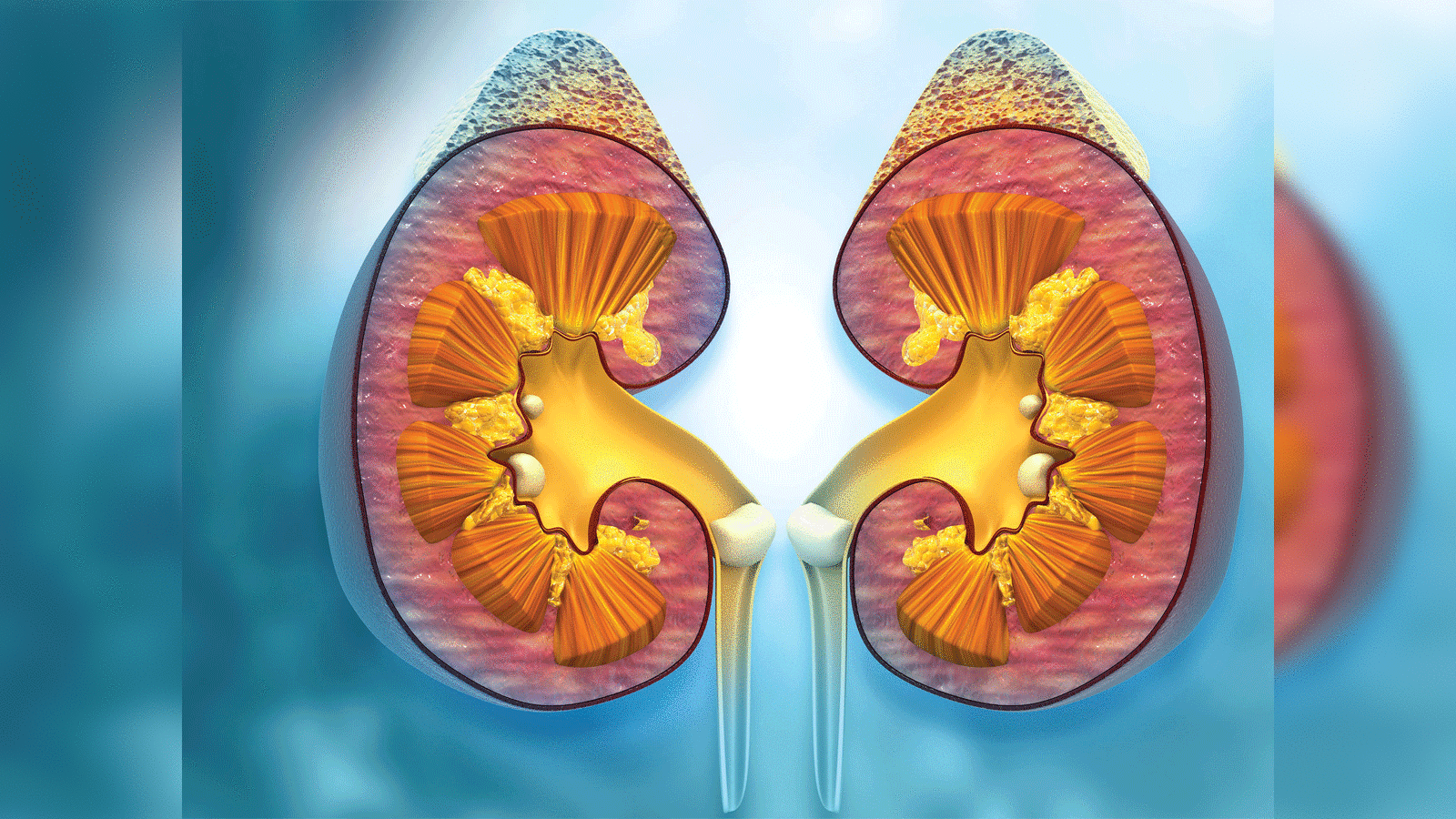
New Delhi, 19 June 2025: Kidney cancer, also known as renal cell carcinoma, is often dubbed the “silent” cancer because it can progress quietly without showing prominent warning signs. While many people may look for common red flags like blood in urine or lower back pain, there are lesser-known symptoms that can easily be overlooked or mistaken for minor issues. Detecting kidney cancer early can significantly improve treatment outcomes, making it vital to understand even the most unusual signs.
1. Persistent Fatigue That Doesn’t Improve with Rest
One of the most easily dismissed symptoms of kidney cancer is chronic fatigue. Unlike typical tiredness that resolves with sleep, this fatigue is persistent and may worsen over time. It often stems from the cancer affecting red blood cell production, leading to anemia. People may feel drained, weak, or mentally foggy even after getting enough rest, and they might blame it on lifestyle or aging instead of a possible underlying disease.
2. Unexplained Weight Loss and Loss of Appetite
Sudden weight loss without dieting or increased activity can be alarming. In kidney cancer, the body may start burning muscle and fat rapidly due to metabolic changes triggered by the tumor. Coupled with this, many patients report a significant drop in appetite. Because weight loss can also happen with stress, depression, or other common conditions, this warning sign often flies under the radar until the cancer has advanced.
3. Swelling in the Legs or Ankles
Swollen legs or ankles are typically associated with heart problems or long flights—but they can also signal kidney cancer. When a tumor blocks blood flow or the kidney’s function is impaired, fluid may accumulate in the lower limbs. The swelling is often painless but persistent and may worsen throughout the day. Ignoring this symptom can delay a critical diagnosis.
4. Fever That Comes and Goes Without Reason
Low-grade fevers with no clear source—especially those that come and go over weeks—can be linked to kidney cancer. This is due to the immune system reacting to the tumor or the cancer releasing inflammatory proteins. Because these fevers can resemble common viral infections or be brushed off as stress-induced, people often don’t seek medical help until more severe symptoms appear.
5. Changes in Vision or Cognitive Function
Though rare, some individuals with kidney cancer may experience neurological symptoms like blurred vision, confusion, or even memory issues. These may occur if the cancer spreads to the brain or causes paraneoplastic syndromes—where the body’s immune response to the tumor affects the nervous system. These symptoms are often misattributed to stress, aging, or unrelated neurological conditions, which can delay the proper diagnosis.
Kidney cancer may not always shout its presence, but it does whisper through subtle and unexpected changes in the body. Paying attention to symptoms that don’t resolve, feel out of the ordinary, or escalate gradually is crucial. If you or a loved one notice any combination of the above signs—especially alongside risk factors like smoking, obesity, or a family history—it’s essential to consult a healthcare provider. Early detection saves lives, and recognizing these often-overlooked symptoms can make all the difference.


















Leave a comment