

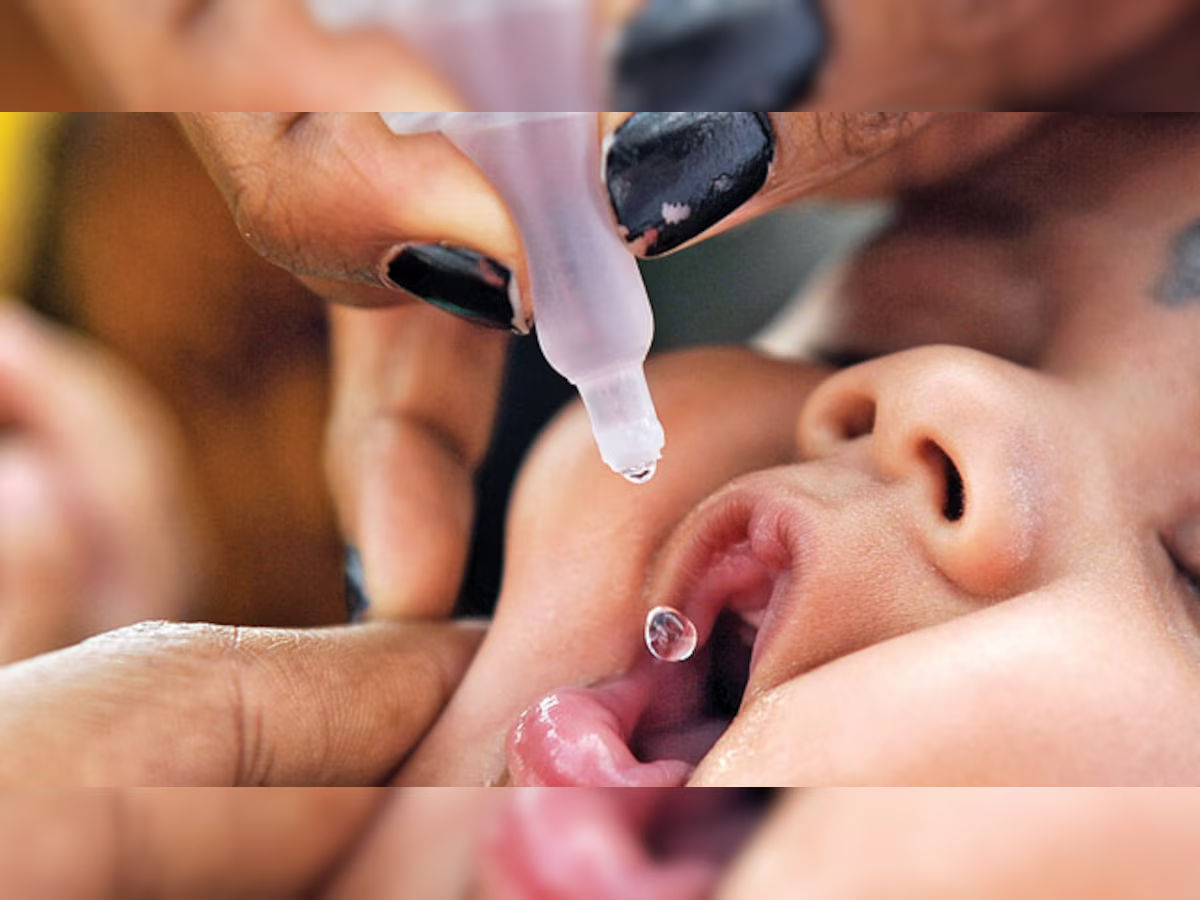
New Delhi, August 23: The recent detection of a polio case in Meghalaya, India. Raised concerns as the country declared polio-free by the World Health Organization (WHO) in 2014.
However, it’s important to note that the case is not due to the wild PV but rather a vaccine-derived poliovirus (VDPV).
What is Vaccine-Derived Polio virus (VDPV)?
VDPV is a rare occurrence where the weakened live virus uses in the oral PV vaccine (OPV) circulates in the community and mutates, reverting to a form that can cause paralysis. This can happen in areas with low immunization rates or in immunocompromised individuals.
Why is India’s Polio-Free Status Not Compromised?
The detection of a VDPV case does not jeopardize India’s polio-free status. The country’s robust immunization program and surveillance systems have been instrumental in preventing the spread of wild PV.
Public Health Response
Health authorities in Meghalaya have launched an immediate response to contain the spread of the VDPV. This includes:
- Intensified Immunization Campaigns: A mass immunization campaign is being conduct in the affected area to boost immunization rates and prevent further transmission.
- Contact Tracing: Health officials are tracing individuals who may have come into contact with the infected child to assess their risk and provide necessary vaccinations.
- Surveillance: Surveillance activities are being intensified to detect any additional cases of VDPV or wild PVvirus.
Importance of Global Polio Eradication Efforts
While the detection of a VDPV case is a setback, it underscores the importance of global efforts to eradicate PV. Even after a country is declare polio-free, there is a risk of VDPV outbreaks, especially in areas with low immunization coverage.
The Role of Oral Polio Vaccine
The OPV has been instrumental in eradicating PV in many countries. However, its use has discontinued in most countries due to the risk of VDPV. The inactivated PV vaccine (IPV), which is safer but less effective in preventing transmission, is now the preferred vaccine.
Read Also – Serum Institute of India Developing Mpox Vaccine, Confirms CEO Adar Poonawalla
What Is Government Doing?
The detection of the VDPV case in Meghalaya serves as a reminder of the ongoing challenges in maintaining PV eradication. Continued efforts to strengthen immunization programs, improve surveillance, and address the root causes of vaccine-derived PV are essential to prevent future outbreaks. By working together, the global community can ensure that PV remains a disease of the past.
Stay tuned with us for all the latest health news and developments from around the world.











Leave a comment