

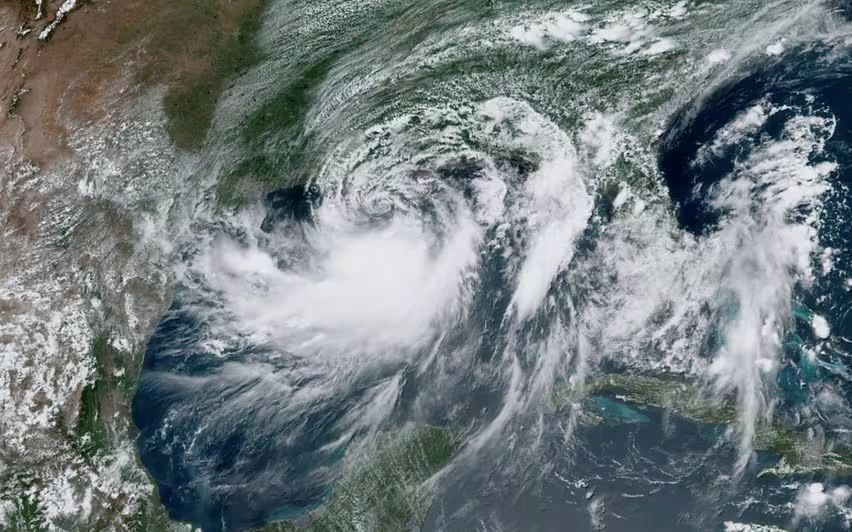
New Delhi, October 24: Cyclone Dana is heading towards the coasts of Odisha and West Bengal, and it’s causing a lot of worry for the people living there. Why is this cyclone so important to be aware of? Firstly, it threatens lives and property. Secondly, it can disrupt vital services. Thirdly, agriculture may take a hit. Additionally, it raises the risk of flooding and landslides. Lastly, it can create widespread fear among the community. So, how can residents get ready for this storm? By following key safety advice and staying informed, they can lower the risks and keep themselves safe during Cyclone Dana.
The Current Situation: What We Know
Currently, meteorologists have report that Cyclone Dana is brewing in the Bay of Bengal and expected to grow stronger as it nears the coastline. Officials are actively monitoring its path and intensity. Residents encouraged to keep an eye on official weather updates to stay informed about the cyclone’s direction and possible impact. The Indian Meteorological Department (IMD) has issued alerts for both states, prompting community readiness.
Safety Precautions: Preparing for the Cyclone
Before Cyclone Dana arrives, it’s crucial to gather essential supplies. This means having non-perishable food items, bottled water, medications, and first-aid kits ready. Also, don’t forget candles, flashlights, and batteries in case the power goes out. Putting together an emergency kit can make a big difference when the storm hits.
Secure Your Property
It’s also really important to secure your home. Take a look around your property and remove any loose items that might fly away in strong winds. If you live in an area prone to flooding, think about moving your belongings to higher ground. You can also protect your home from wind damage by boarding up windows with plywood or using storm shutters.
Evacuation Plans: Know Your Routes
Knowing your evacuation routes is essential in case authorities announce mandatory evacuations. Get to know your local emergency services and where shelters are located. If you’re near the coast, be aware of the dangers posed by storm surges and floods. Having a clear plan can save lives and reduce panic during the cyclone.
Make a communication plan with your family and loved ones. Ensure everyone knows where to meet if you get separate, and how to stay in touch during the storm. Pick one family member to keep an eye on news updates and share information with others. Clear communication helps lessen anxiety and keeps everyone on the same page.
During the Cyclone: Stay Safe
Seek Shelter: When Cyclone Dana makes landfall, find a safe spot away from windows and doors. Ideally, this is a designated storm shelter or a central room on the lowest floor of your home. Remain indoors until authorities say it’s safe to go outside.
Keep monitoring weather reports via radio, television, or mobile alerts. Stay updated about how the cyclone is progressing and any changes to evacuation orders. Being inform helps you make better decisions and stay out of danger.
Once the storm has passed, proceed carefully. Look out for hazards like downed power lines, flooding, or damage to your house. Avoid walking through floodwaters, as they can contaminated or hide dangerous debris. Report any dangers to local officials to help keep everyone safe.
Read Also – What’s Is E. Coli Outbreak That’s Being Linked To McDonald’s Burgers
Stay in touch with local news sources to get updates on recovery efforts and available assistance. Many communities provide help for those affected by disasters. Knowing how to find support can ease the recovery process.
















Leave a comment