

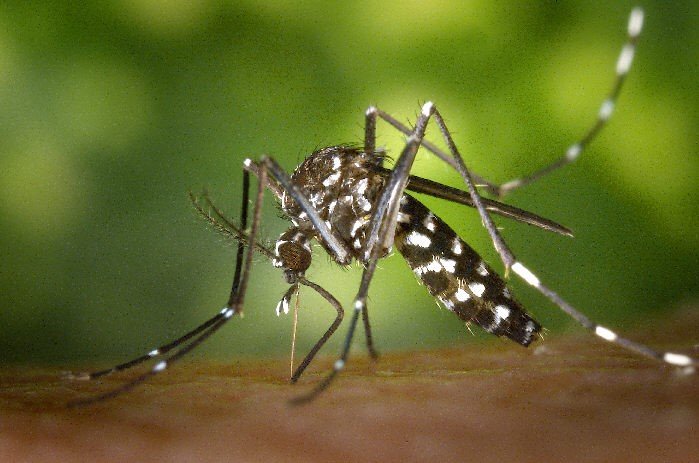
New Delhi, October 23: The World Health Organization (WHO) has officially recognized Egypt as malaria-free, a groundbreaking achievement in the ongoing battle against this age-old disease. This milestone not only highlights Egypt’s effective health interventions but also provides motivation for other nations fighting malaria. This recognition followed a thorough evaluation process, demonstrating Egypt’s dedication to eliminating the disease. But what does this accomplishment mean, and what were the steps Egypt took to reach this point?
The Significance of Egypt’s Malaria-Free Status
Becoming malaria-free is vital for both public health and economic growth. Malaria, spread by infected mosquitoes, has historically been a major cause of illness and death in many places. The WHO reported around 241 million malaria cases worldwide in 2020, with over 627,000 fatalities. By eradicating malaria, Egypt not only safeguards the health of its people but also strengthens its economic stability and growth potential.
How Egypt Achieved Malaria Elimination
Egypt’s path to a malaria-free status was not achieved overnight. The country employed a thorough strategy that involved extensive health education, measures to control mosquitoes, and improved access to healthcare. The Egyptian government concentrated on the early detection and treatment of malaria cases to ensure that those affected received prompt care. Moreover, community involvement was crucial in promoting prevention strategies, such as utilizing insecticide-treated bed nets and indoor spraying.
WHO’s Recognition: A Global Perspective
The WHO’s certification of Egypt as malaria-free is a significant step in the worldwide fight against malaria. It highlights the necessity of continuous effort and collaboration among governments, health organizations, and communities. WHO representatives have commended Egypt’s commitment to public health, asserting that this success can serve as an example for other countries. Nations like Algeria and Morocco are looking to Egypt’s achievement as they work towards eradicating malaria in their own regions.
Challenges Faced Along the Way
Even with the successful elimination of malaria, Egypt encountered several challenges during its campaign. Issues like climate change, urban growth, and population movement posed threats to malaria management. The country had to stay alert to prevent the potential return of the disease, especially in border areas. Ongoing monitoring and surveillance were established to quickly identify any resurgence of malaria.
The Role of International Partnerships
International collaborations were key to Egypt’s success. Working with organizations like the Global Fund and the WHO provided crucial resources and expert guidance. These partnerships enabled the exchange of best practices and innovations in malaria prevention and treatment. Additionally, funding from global donors helped enhance Egypt’s healthcare system, ensuring the sustainability of its malaria-free status.
The Future of Malaria Control in Egypt
With this certification, Egypt is now concentrating on maintaining its malaria-free status. The government is dedicated to continuous monitoring and public health education to prevent any return of the disease. Furthermore, Egypt aims to use its success to boost tourism and investment, showcasing its dedication to health and safety. The country’s health officials are also looking for ways to assist neighboring nations in their malaria elimination efforts, promoting regional cooperation.
Egypt’s designation as malaria-free is not merely a national victory; it serves as a source of inspiration for countries still facing this illness. This achievement demonstrates that with commitment, strategic planning, and global support, malaria can be defeated. As Egypt celebrates this significant milestone, it sends a strong message to the world: a future without malaria is achievable, and we can work together to make it happen. The journey is far from over; ongoing efforts are essential to ensure future generations live free from the burdens of this disease.
















Leave a comment