Home Health News Diet & Nutrition Iron Deficiency And Hair Loss: Why This Common Nutrient Shortage Causes Hair Thinning
Diet & Nutrition

Iron Deficiency And Hair Loss: Why This Common Nutrient Shortage Causes Hair Thinning

Share
Say Goodbye to Hair Loss: 5 Foods to Strengthen Your Strands
Share

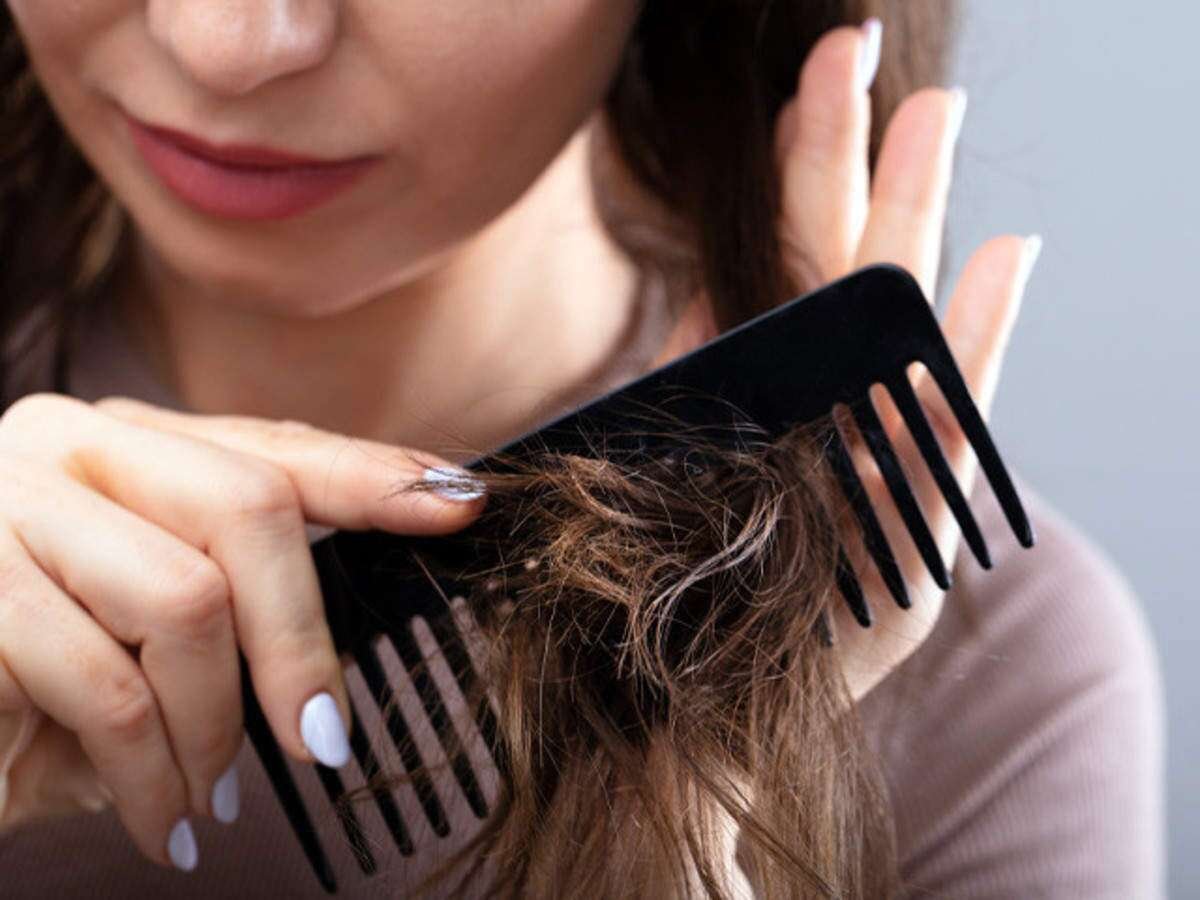
Iron Deficiency And Hair Loss: Hair loss is a common issue that can affect people of all ages, caused by several factors. Experts note that many people experience hair thinning due to a lack of nutrients, such as iron deficiency, which prevents the body from producing haemoglobin to repair cells in the body, including stimulating hair growth.

Importance Of Iron: What Happens If It Is Insufficient?

“Iron is a mineral that the body needs for growth and development. Your body uses iron to make haemoglobin, a protein in red blood cells that carries oxygen from the lungs to all parts of the body, and myoglobin, a protein that provides oxygen to muscles,” the National Institute of Health (NIH) explains. “Your body also needs iron to make some hormones.”

According to the US health agency, how much iron a person needs depends on age, sex, and diet. On average, the NIH notes, “Vegetarians who do not eat meat, poultry or seafood need almost twice as much iron as listed in the table because the body doesn’t absorb nonheme iron in plant foods as well as heme iron in animal foods.” Here’s a list of life stages and a recommended amount of iron in milligrams (mg):

  1. Birth to 6 months: 0.27 mg
  2. Infants 7 to 12 months: 11 mg
  3. Children 1 to 3 years: 7 mg
  4. Children 4 to 8 years: 10 mg
  5. Children 9 to 13 years: 8 mg
  6. Teen boys 14 to 18 years: 11 mg
  7. Teen girls 14 to 18 years: 15 mg
  8. Adult men 19 to 50 years: 8 mg
  9. Adult women 19 to 50 years: 18 mg
  10. Adults 51 years and older: 8 mg
  11. Pregnant teens: 27 mg
  12. Pregnant women: 27 mg
  13. Breastfeeding teens: 10 mg
  14. Breastfeeding women: 9 mg

Can Iron Deficiency Lead To Hair Fall?

A study published in the Journal of Korean Medical Science found that iron deficiency may not only play a crucial role in hair loss, they can also cause hair to fall in a pattern similar to traditional male- and female-pattern baldness. Experts warn that if you’re losing hair, you may notice more hair than usual in the shower drain or hairbrushes. According to Medical News Today, certain treatments can help reduce your risk of excessive hair fall due to iron deficiency, such as:

  1. Minoxidil: This medication is available as a topical solution
  2. 5-alpha-reductase inhibitors: Medications such as finasteride can help increase enzyme levels to promote hair growth
  3. Surgical techniques: Hair transplantation can help restore a person’s hair

“Doctors are continually researching new techniques to restore hair growth. One example is platelet-rich plasma (PRP) treatment. This involves separating the platelets from a sample of a person’s blood using a specialized machine and then injecting these platelets into areas of the scalp affected by hair loss,” Medical News Today explains. “Reviews suggest that PRP treatment may be effective in treating hair loss, but the mechanisms of action are not fully understood.”

Natural Ways To Prevent Hair Fall

You can prevent hair fall through various means, including tweaking your lifestyle routine. Here are simple yet effective natural ways to prevent future hair loss:

  1. Eat a nutritious and balanced diet
  2. Consume foods that are high in vitamin C
  3. Wear your hair down
  4. Protect your hair from harmful elements
  5. Brush and wash your hair gently
  6. Avoid using chemicals and hair dyes
  7. Avoid heat-based equipment like blow dryers and curling irons

The content is only for informational purposes. It is not at all professional medical advice. Always consult your doctor or a healthcare specialist for any questions regarding your health or a medical condition.

Share
Written by
Swapna Karmakar

Swapna Karmakar is an experienced Health Journalist and the Editorial Lead at Healthwire Media. She has a background in investigative reporting and a deep interest in community health and regulatory updates within the medical sector. Swapna focuses on bridging the gap between healthcare providers and patients by crafting narratives that simplify medical terminology without losing clinical depth. Her research process involves analyzing peer-reviewed journals and official regulatory notifications from bodies like the National Medical Commission (NMC) to provide timely news to both healthcare professionals and the general public. Swapna’s work is characterized by a commitment to transparency and evidence-based reporting. Outside of health reporting, she is an avid traveler and explorer of cultural landscapes. 

Leave a comment

Leave a Reply

Your email address will not be published. Required fields are marked *

Don't Miss

Neurology

World Parkinson’s Day 2026: How deep brain stimulation is transforming life for patients with advanced parkinson’s disease

Parkinson’s disease is a neurological disorder that gradually affects individuals’ independence, mobility and quality of life. In the early stages, medication is an...

Lifestyle & Wellness

Chronic Stress Explained: How Long-Term Pressure Damages Your Body and Triggers Lifestyle Diseases

Chronic stress is no longer just an occasional feeling of pressure—it has become a constant part of modern life. Whether it stems from...

Gastroenterology

World Liver Day 2026: What studies suggest about life expectancy with fatty liver disease

World Liver Day: Late night junk foods, spending much time behind a desk and exercising very little are slowly eating away the liver....

Parkinson's Disease
Neurology

World Parkinson’s Day 2026: Early signs of Parkinson’s disease often ignored and how timely diagnosis can change lives

Parkinson’s disease is a progressive neurological condition that worsens over time, with symptoms varying depending on its severity. According to the National Institutes...

Neuro health
Latest NewsPress Release

The Rising Role of Neuro & Psychiatry Drugs in India’s Evolving Healthcare Landscape

The Indian healthcare system is undergoing a transformation that most individuals do not perceive, and that has had many implications on daily life....

Section title

Related Articles
Diet & Nutrition

How to Eat Healthy the Indian Way: Build a Balanced Plate Without Giving Up Your Favourite Foods

Healthy eating is often misunderstood as strict dieting, cutting out favourite foods,...

There are many microorganisms that directly harm the stomach.
Diet & NutritionLifestyle & Wellness

Viral gastroenteritis cases amid rising summer heatwave: Tips to protect yourself

As the temperature continues to rise, viral gastroenteritis also known as stomach...

Diet & Nutrition

Are Ultra-Processed Foods Causing Bone Loss? Experts Explain the Risks

Ultra-processed foods and bone health: Who would have thought that foods meant...

Why Meal Timing Matters: How Your Eating Schedule Affects Digestion, Weight, and Energy
Diet & Nutrition

Why Meal Timing Matters: How Your Eating Schedule Affects Digestion, Weight, and Energy

Many people consider healthy eating based on the kind of food they...